

CDC Officially Approves Delayed Hepatitis B Vaccine Dose
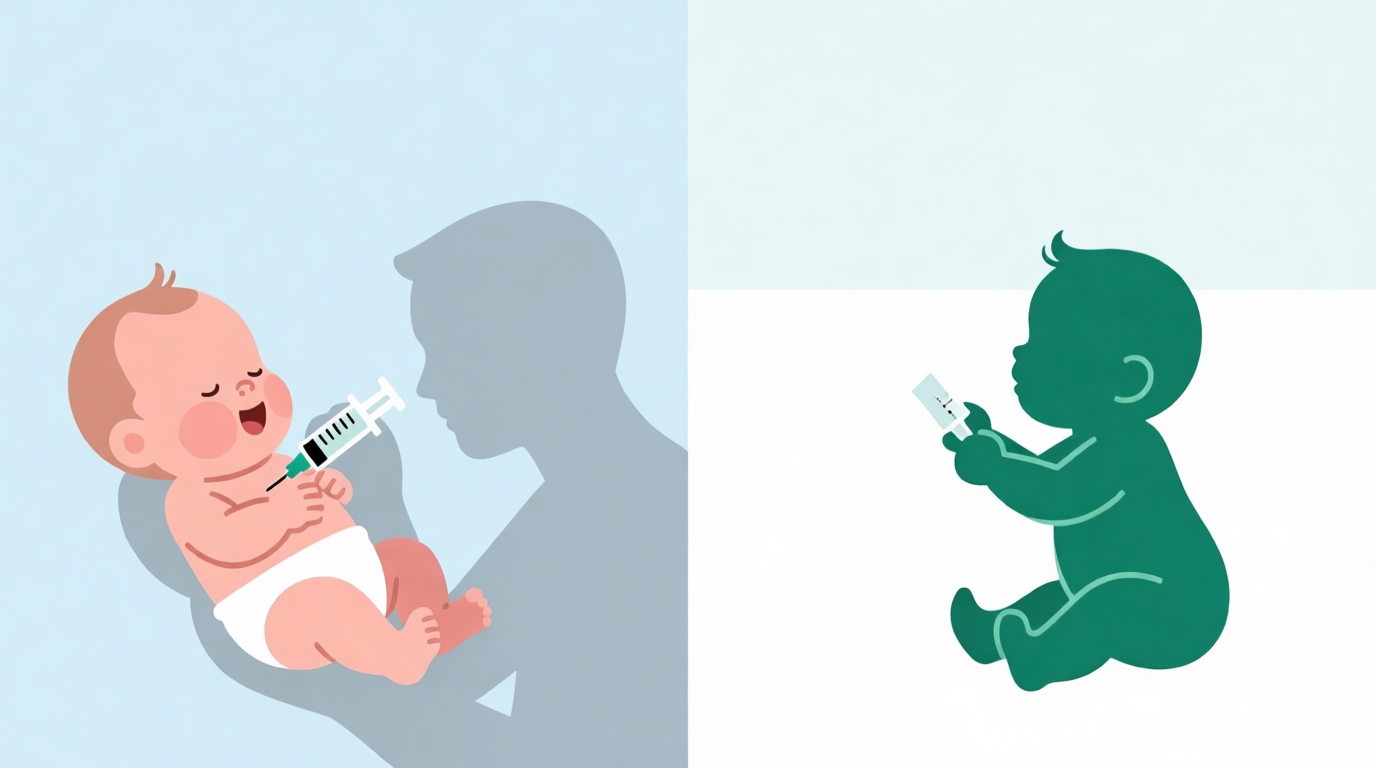
The CDC has accepted the recommendation of its vaccine advisory committee and ended the three-decade-long practice of giving most newborn children a birth dose of the hepatitis B vaccine.The change in recommendation, announced Tuesday, leaves the decision of whether to vaccinate children up to parents in consultation with their healthcare providers. If parents still want to get their kids vaccinated, the CDC now recommends the dose be given no earlier than two months of age.
For children of mothers who have tested positive for hepatitis B, the CDC still recommends that they receive the birth dose vaccinations.
The CDC maintained that the change in recommendation does not alter coverage of the shot under payment mechanisms, including the Vaccines for Children Program, Children’s Health Insurance Program, Medicaid and Medicare.
CDC’s Vaccine Committee Recommends Delaying Hepatitis B Birth Dose
The CDC’s Advisory Committee on Immunization Practices voted Friday to recommend delaying the hepatitis B vaccine to two months after birth for some infants, pushing it back from the birth dose that has been given for about 30 years.
The tally, at 8-3, came after the committee delayed the vote from Thursday’s meeting. Committee members were presented with multiple versions of voting language that day and decided to table the decision to give themselves more time to decide.
The change only affects children whose mothers test negative for hepatitis B. The committee did not change the recommendation for mothers who test positive, whose children should still receive the birth dose of the vaccine.
Hepatitis B can cause liver disease, including cancer. In a briefing put out ahead of this week’s ACIP meeting, The Evidence Collective, an organization focused on public communication of public health information, noted, “Given that the HBV vaccine is so established as being safe for newborns and that if they are infected within the first year of life, their risk of chronic hepatitis B can be 90% or higher, it is entirely reasonable to recommend the HepB birth doses universally. Perhaps most importantly, before universal screening, 7-11% of children born to hepatitis B-negative mothers still contracted the virus via household or community exposure.”
The CDC itself notes that the “scientific evidence overwhelmingly supports the safety of hepatitis B vaccines,” and that most adverse events are injection site soreness.
CDC’s Vaccine Advisers Again Delay Hep B Vote
For the second time, the CDC’s Advisory Committee on Immunization Practices has deferred a contentious vote that challenges the U.S.’s current guideline of immunizing newborns against hepatitis B.
The delay was prompted by the inconsistent language of the questions that the panelists were supposed to be voting on. “This is the third version of the questions that we have received in 72 hours,” ACIP member Joseph Hibbeln said during the Committee’s meeting on Thursday, as reported by NPR. “We’re trying to evaluate a moving target.”
The ACIP experts were supposed to decide whether to throw out the current, decades-old recommendation to universally vaccinate infants against hepatitis B as soon as they are born, regardless of the mother’s infection status.
According to the CDC, while the vaccine can sometimes cause adverse events, it is “safe and effective” and provides long-term protection against the virus. “Most people don’t experience any side effects,” the agency noted.
However, in a presentation on Thursday, Cynthia Nevison, an atmospheric scientist at the University Colorado Boulder, downplayed the value of vaccination, noting that “there’s very little evidence that horizontal transmission has ever been a significant threat to the average American child,” according to reporting from CNN. Nevison called the hepatitis B risk “overstated.”
When it came time to vote, some panelists flagged repeated changes in the specific wording of the questions that they were supposed to decide on. “I protest the description that the ACIP members have been consulted in developing these questions,” Hibbeln said during the meeting.
Ultimately, the ACIP ended up deciding 6–3 to delay the hepatitis B vote, to give panelists enough time to review the updated questions. It is now set for the second day of the meeting on Friday.
Thursday, the first day of ACIP’s final meeting of the year, was heavily focused on the hepatitis B vaccine. Friday’s agenda will tackle the CDC’s vaccine risk surveillance system and immunization schedules in children and adolescents.
ACIP was reconstituted over the summer after Robert F. Kennedy Jr. dismissed the previous highly-vetted panelists and replaced them. Some of the new panelists have publicly advocated against vaccines. The new ACIP’s previous meeting, held in mid-September, likewise turned chaotic when panelists were confronted with four new votes that had not been announced before they convened. These votes—which pushed through—concerned various guideline changes surrounding COVID-19 vaccination, generally making the shots less accessible.
Source Link: https://www.biospace.com/