

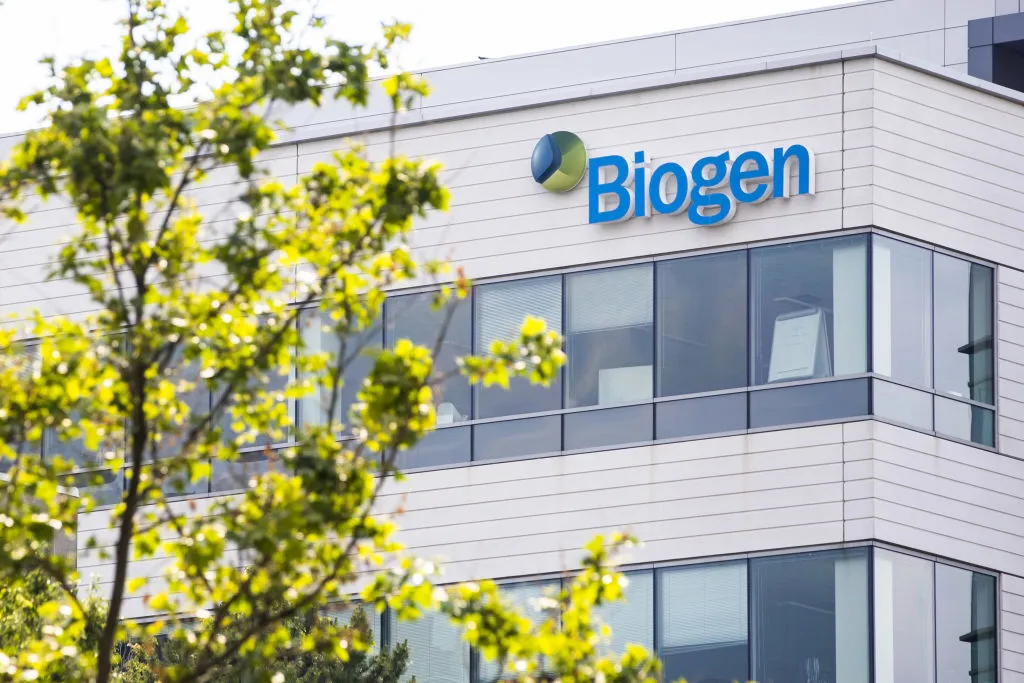
Biogen to Showcase Late-Breaking Phase 2 AMETHYST Data on Litifilimab in Cutaneous Lupus Erythematosus at the 2026 American Academy of Dermatology Annual Meeting
Biogen Inc. has announced a series of upcoming scientific presentations at the prestigious American Academy of Dermatology Annual Meeting 2026, scheduled to take place from March 27 to 31, 2026. The company will unveil new clinical and scientific insights into cutaneous lupus erythematosus (CLE), with a particular focus on late-breaking data from its investigational therapy litifilimab. These findings, derived from the Phase 2 portion of the AMETHYST Phase 2/3 clinical trial, underscore Biogen’s continued commitment to advancing treatment options in a disease area that has seen minimal therapeutic innovation for decades.
A Renewed Focus on Cutaneous Lupus Erythematosus
Cutaneous lupus erythematosus is a chronic autoimmune condition that primarily affects the skin, though its impact often extends far beyond visible symptoms. Patients with CLE frequently experience a range of debilitating manifestations, including persistent rashes, severe itching, pain, photosensitivity, and progressive skin damage. Over time, these symptoms can lead to irreversible scarring, hair loss (alopecia), and pigmentation changes, which may result in significant physical disfigurement and psychological distress.
Despite the substantial burden of disease, treatment options for CLE have remained largely unchanged since the mid-20th century. Most patients rely on antimalarial therapies or broad immunosuppressive agents, which are not always effective and may carry notable side effects. Importantly, there are currently no approved targeted therapies specifically indicated for CLE, highlighting a critical unmet medical need.
Biogen’s research efforts, spanning decades, aim to address this gap by developing therapies that target the underlying immunological drivers of the disease.
Late-Breaking Data from the AMETHYST Study
At the upcoming AAD meeting, Biogen will present late-breaking results from Part A (Phase 2) of the AMETHYST study, a pivotal clinical program designed to evaluate the efficacy and safety of litifilimab in patients with active CLE. The oral presentation, titled “Efficacy and Safety of Litifilimab in Cutaneous Lupus Erythematosus (CLE): 24-week Results of the Phase 2 Study, AMETHYST Part A,” is expected to provide detailed insights into how the therapy impacts disease activity over a 24-week treatment period.
The AMETHYST trial is a robust, multicenter, randomized, double-blind, placebo-controlled study, reflecting the gold standard in clinical trial design. It includes patients with subacute cutaneous lupus erythematosus (SCLE) and chronic cutaneous lupus erythematosus (CCLE) who have shown inadequate response or intolerance to standard antimalarial therapies. These patient populations represent some of the most challenging cases in clinical practice, further emphasizing the importance of the study’s findings.
Participants in the trial are randomized to receive either subcutaneous litifilimab or placebo every four weeks, with an additional loading dose administered at Week 2. The treatment period spans 20 weeks, followed by an extended phase during which all participants receive active therapy. Both the Phase 2 and Phase 3 portions of the study are designed to run for 52 weeks, allowing for comprehensive evaluation of both short-term and long-term outcomes.
Mechanism of Action: Targeting BDCA2
Litifilimab represents a novel therapeutic approach in lupus by targeting blood dendritic cell antigen 2 (BDCA2), a receptor expressed on plasmacytoid dendritic cells (pDCs). These immune cells play a central role in the pathogenesis of lupus by producing pro-inflammatory mediators, including type I interferons and other cytokines.
By binding to BDCA2, litifilimab inhibits the activation of pDCs and reduces the production of these inflammatory signals. This Biogen targeted mechanism aims to interrupt the immune cascade that drives both systemic and cutaneous manifestations of lupus, offering the potential for more precise and effective disease control compared to traditional therapies.
Importantly, litifilimab is considered a potential first-in-class monoclonal antibody in this space, reflecting its novel mechanism and the absence of similar approved treatments for CLE.
Building on Prior Clinical Success
The AMETHYST study builds upon earlier findings from the Phase 2 LILAC study, which demonstrated positive results and marked a significant milestone in CLE research. In that trial, litifilimab became the first investigational therapy to show meaningful clinical benefit in patients with CLE, providing early validation of its therapeutic potential.
The encouraging outcomes from LILAC, combined with data from the ongoing AMETHYST program, contributed to the recent decision by the U.S. Food and Drug Administration to grant Breakthrough Therapy Designation to litifilimab for the treatment of CLE. This designation is reserved for therapies that show substantial improvement over existing options for serious or life-threatening conditions and is intended to expedite the development and regulatory review process.
Insights into Disease Measurement and Clinical Practice
In addition to clinical efficacy data, Biogen will also present research aimed at improving how disease severity is assessed in CLE. Two key poster presentations at AAD will explore the validity and correlation of commonly used clinical measurement tools, including the Cutaneous Lupus Activity Investigator’s Global Assessment–Revised (CLA-IGA-R) and the Cutaneous Lupus Erythematosus Disease Area and Severity Index (CLASI).
One study focuses on clinician perspectives regarding the content validity of CLA-IGA-R, providing qualitative insights into its usefulness in both clinical trials and routine practice. Biogen Another examines the correlation between CLASI and CLA-IGA-R scores in a multi-center U.S. study, offering valuable data on how these tools align in assessing disease activity.
These efforts reflect a broader commitment to refining clinical endpoints and ensuring that trial outcomes accurately capture meaningful improvements in patient health and quality of life.
The Broader Impact of CLE on Patients
Beyond its physical manifestations, CLE exerts a profound impact on patients’ emotional and psychological well-being. Visible skin lesions, scarring, and hair loss can lead to social stigma, reduced self-esteem, and increased rates of anxiety and depression. The Biogen chronic and unpredictable nature of the disease further compounds this burden, making effective and durable treatments all the more critical.
By targeting the underlying immune mechanisms of CLE, therapies like litifilimab have the potential not only to alleviate physical symptoms but also to improve overall quality of life for patients.
Phase 3 and Future Prospects
While the Phase 2 results from AMETHYST are highly anticipated, Biogen is already advancing the program into its Phase 3 stage. This next phase will further evaluate the efficacy and safety of litifilimab in a larger patient population, with a data readout expected in 2027.
If successful, the Phase 3 results could support regulatory submissions and potentially lead to the first targeted therapy specifically approved for CLE—a landmark achievement in dermatology and autoimmune disease treatment.
It is important to note that litifilimab remains an investigational therapy, and its safety and efficacy have not yet been fully established by regulatory authorities. However, the momentum generated by recent clinical data and regulatory recognition suggests a promising future for this novel approach.
Biogen’s Legacy in Immunology and Innovation
Founded in 1978, Biogen Inc. has long been at the forefront of scientific innovation in neurology and immunology. The company’s deep expertise in human biology and commitment to advancing first-in-class therapies have enabled it to tackle complex diseases with high unmet need.
Biogen’s work in lupus, including both systemic and cutaneous forms, exemplifies its strategy of leveraging cutting-edge science to develop transformative treatments. By investing in novel mechanisms of action and rigorous clinical research, the company aims to deliver meaningful benefits to patients while driving long-term value.
The upcoming presentations at the 2026 American Academy of Dermatology Annual Meeting mark a significant milestone in the ongoing effort to address the unmet needs of patients with cutaneous lupus erythematosus. With late-breaking data from the AMETHYST study and additional research on disease assessment tools, Biogen is poised to contribute valuable insights to the dermatology and immunology communities.
The investigational therapy litifilimab stands out as a promising candidate that could redefine the treatment landscape for CLE. By targeting a key pathway in disease pathogenesis, it offers the potential for more effective and personalized care.
As the field moves forward, the combination of innovative science, robust clinical evidence, and patient-centered research will be essential in transforming outcomes for individuals living with this challenging condition.
Source Link: https://investors.biogen.com/