

Texas Cancer Institute Implements Kallisio Technologies Stentra™ as Standard-of-Care for Precision Radiation Therapy After Successful Clinical Pilot
Kallisio announced that the Texas Cancer Institute has officially transitioned its use of the company’s Stentra™ system from a pilot evaluation phase into routine clinical practice for head and neck cancer radiation therapy. The move marks an important milestone for the adoption of patient-specific immobilization technologies in radiation oncology, particularly as cancer centers increasingly focus on precision-driven treatment approaches designed to improve outcomes while minimizing damage to healthy tissue.
The decision by Texas Cancer Institute to integrate Stentra into standard clinical workflows follows the completion of an observational case series in which the technology demonstrated promising results in supporting uninterrupted treatment schedules for patients undergoing head and neck radiotherapy. According to the organizations, all evaluated patients completed treatment without missing any therapy sessions, highlighting the system’s ability to provide reliable and reproducible immobilization across extended treatment regimens.
Head and neck cancers often require highly targeted radiation therapy because tumors are located close to critical organs and structures such as the tongue, salivary glands, jaw, throat, spinal cord, and oral cavity. Radiation oncologists must carefully balance the need to deliver an effective therapeutic dose to the tumor while limiting unnecessary radiation exposure to surrounding healthy tissues. Even small inconsistencies in patient positioning can influence treatment accuracy, making immobilization systems an important component of therapy planning and delivery.
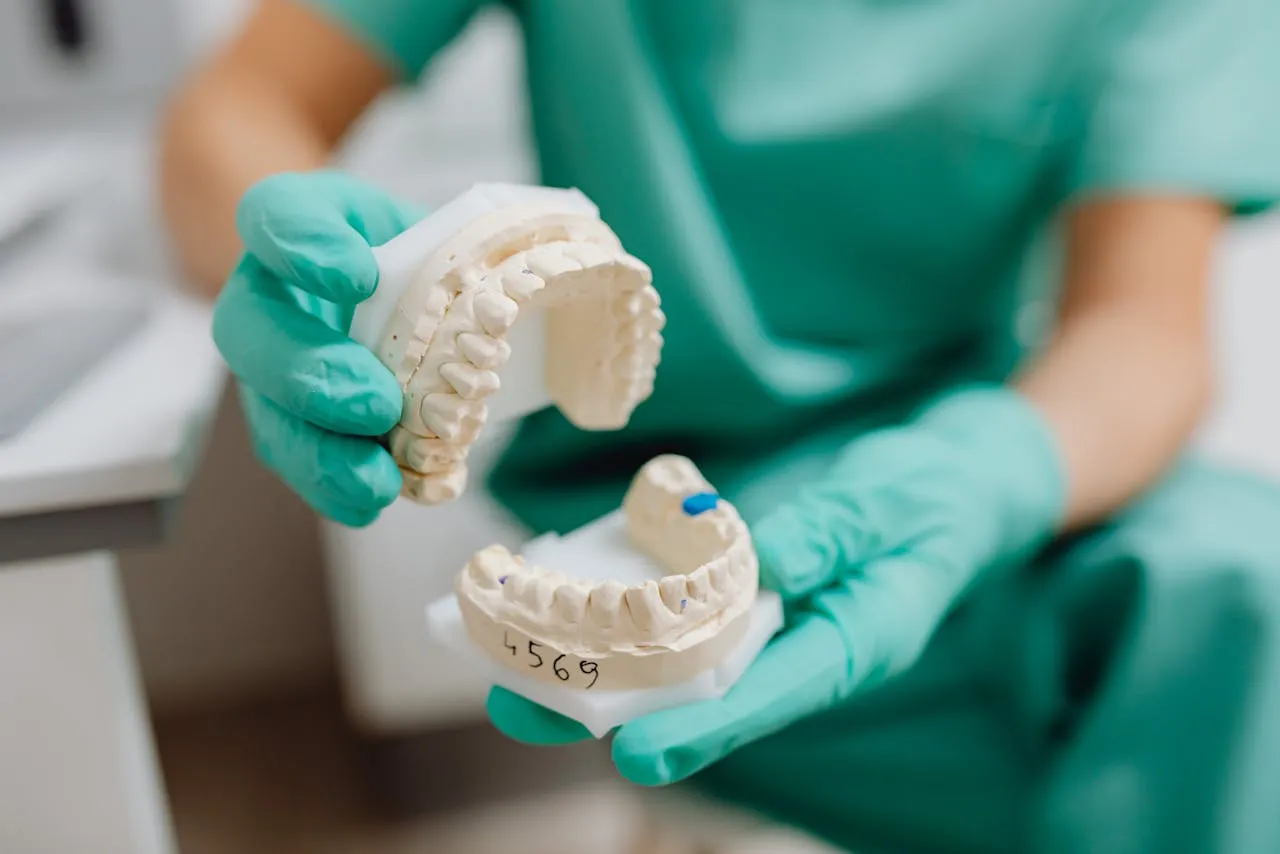
Kallisio developed Stentra as a personalized 3D-printed oral stent platform specifically designed to improve anatomical stabilization and tissue displacement during radiation therapy. Unlike traditional generic bite blocks or manually fabricated dental devices, Stentra uses patient-specific oral data combined with automated digital design workflows to create customized oral appliances tailored to each individual patient’s anatomy.
The company stated that the technology is intended to immobilize and reposition sensitive anatomy during treatment, including the tongue and other organs at risk, helping clinicians achieve more precise dose targeting while improving sparing of healthy tissue. The system also seeks to streamline integration into routine oncology workflows through a rapid scan-to-stent production process and simplified ordering procedures that minimize delays in treatment initiation.
For radiation oncology teams, maintaining consistency throughout a multi-week course of radiotherapy can be particularly challenging in head and neck cancer patients due to discomfort, oral irritation, mucositis, swelling, or changes in anatomy over time. Customized devices that fit accurately and comfortably may help improve patient compliance and reduce interruptions during treatment.
During Texas Cancer Institute’s pilot evaluation, clinicians observed sustained patient tolerance of the Stentra devices across multiple treatment fractions over several weeks. The institution reported that the technology consistently delivered reliable reproducibility during therapy sessions, supporting stable positioning throughout the treatment course.
According to the findings shared by the organizations, the use of Stentra contributed to several favorable clinical observations during the pilot period. These included zero missed treatment days among evaluated patients, no device-related interruptions to therapy schedules, and generally mild-to-moderate oral toxicities during treatment. Importantly, clinicians also reported no Grade 4 or Grade 5 mucositis events in the evaluated cases, suggesting that the personalized device may help reduce severe oral complications commonly associated with intensive head and neck radiotherapy.
Mucositis remains one of the most challenging side effects for patients receiving radiation treatment in the head and neck region. Severe mucosal inflammation and ulceration can lead to significant pain, nutritional complications, treatment delays, and reduced quality of life. As a result, technologies aimed at reducing radiation exposure to healthy oral tissues have become an area of growing interest within oncology care.
Dr. Paiman Ghafoori, Radiation Oncologist at Texas Cancer Institute, emphasized the institution’s commitment to advancing patient-centered treatment strategies through the adoption of precision technologies. He noted that implementing Stentra enables clinicians to improve treatment precision while proactively protecting healthy tissue during therapy.
According to Dr. Ghafoori, the integration of the personalized immobilization system represents an important advancement in enhancing both the patient experience and clinical outcomes for individuals undergoing head and neck radiation therapy. The ability to combine individualized treatment planning with reproducible positioning may help support more effective radiation delivery while reducing unnecessary toxicity.
The adoption of patient-specific devices also reflects broader trends within radiation oncology, where providers are increasingly leveraging digital workflows, automation, advanced imaging, and personalized technologies to optimize care delivery. Innovations such as adaptive radiotherapy, AI-assisted treatment planning, and 3D-printed medical devices are contributing to a more individualized approach to cancer treatment.
Kallisio believes technologies like Stentra can help redefine standards in head and neck radiotherapy by replacing one-size-fits-all immobilization tools with customized solutions designed around each patient’s anatomy. The company argues that conventional bite blocks and handcrafted appliances were not originally designed to address the precision demands of modern radiation oncology, particularly as treatment techniques become increasingly sophisticated.
Rajan Patel, Chief Executive Officer of Kallisio, said the transition by Texas Cancer Institute from pilot evaluation to full clinical implementation reinforces the company’s belief that patient-specific immobilization should become a standard component of head and neck radiation therapy. He noted that leading cancer centers are increasingly recognizing the value of personalized precision care and are seeking technologies capable of supporting that evolution.
Patel added that the clinical adoption of Stentra by institutions such as Texas Cancer Institute demonstrates growing confidence in individualized immobilization systems that can deliver sub-millimeter fit accuracy while integrating efficiently into existing treatment workflows.
As radiation oncology continues to evolve toward more personalized and data-driven care models, technologies that improve reproducibility, patient comfort, and healthy tissue protection may play an increasingly important role in clinical practice. The adoption of Stentra by Texas Cancer Institute represents another example of how 3D printing and digital customization are being incorporated into mainstream cancer treatment environments.
With healthcare providers continuing to prioritize both treatment effectiveness and quality of life outcomes, personalized devices designed to reduce complications and support uninterrupted care may become increasingly valuable across oncology settings. For patients undergoing demanding head and neck radiation therapy regimens, minimizing treatment interruptions while improving comfort and tissue protection remains a significant clinical objective.
Kallisio’s expanding collaboration with cancer centers such as Texas Cancer Institute highlights the growing momentum behind customized radiation therapy solutions and reflects a broader industry movement toward precision oncology technologies tailored to the individual needs of each patient.
About Kallisio: Kallisio develops patient-specific systems that integrate into existing oncology workflows, leveraging digital design, additive manufacturing, and coordinated clinical processes to support precision treatment delivery across radiation, chemotherapy, cryotherapy, and drug delivery.
About TCI: TCI provides advanced, patient-centered radiation oncology care utilizing state-of-the-art TrueBeam and Edge technology to deliver highly precise, efficient treatments designed to improve outcomes, reduce side effects, and enhance the patient experience.