

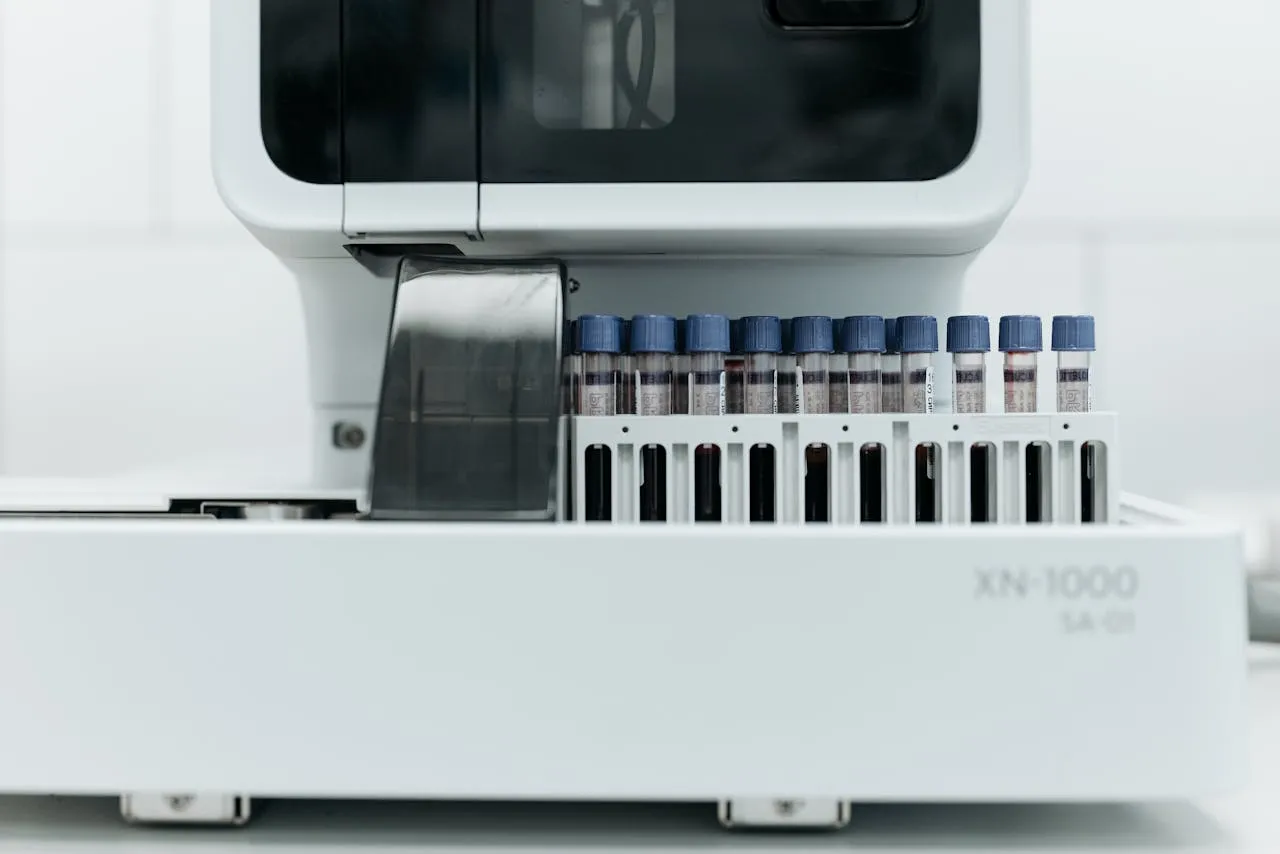
IDEXX Enhances Fecal Dx™ Antigen Testing Platform with Advanced Taeniid Tapeworm Detection Capability
IDEXX Laboratories has announced a significant expansion of its widely used Fecal Dx™ antigen testing platform, introducing new capabilities to detect taeniid tapeworm infections, including parasites from the Taenia and Echinococcus species. The enhancement represents another step forward in the company’s ongoing efforts to strengthen preventive veterinary diagnostics and improve the detection of clinically important intestinal parasites in companion animals.
The latest advancement builds on the long-standing success of the Fecal Dx platform, which has become a key diagnostic tool in veterinary medicine since its launch in 2012. Over the past decade, more than 50 million Fecal Dx antigen tests have been performed globally, underscoring the platform’s broad adoption among veterinary practices and its growing role in routine wellness and sick-patient evaluations. The addition of taeniid tapeworm detection further expands the diagnostic reach of the platform and reinforces IDEXX’s strategy of continually evolving its technologies to meet emerging clinical needs.
Fecal Dx antigen testing is designed to improve the identification of intestinal parasites by detecting parasite antigens that may not always be visible through conventional fecal flotation methods alone. According to IDEXX, the platform has demonstrated the ability to identify up to twice as many intestinal parasite infections earlier than fecal flotation by itself. This increased sensitivity can help veterinarians diagnose infections sooner, allowing earlier treatment and improved health outcomes for pets.
The inclusion of Taenia and Echinococcus species in the testing menu is particularly significant because these parasites are increasingly recognized as important threats to both animal and public health. The Companion Animal Parasite Council (CAPC) classifies these organisms as clinically relevant parasites for dogs and cats. While Taenia infections are commonly associated with tapeworm infestations in pets, Echinococcus species carry additional concern because of their zoonotic potential, meaning they can be transmitted from animals to humans.
Echinococcus infections remain an important public health issue in several regions around the world, including parts of Europe, the United States, and Canada where the parasite is endemic. Human infections can result in serious disease, making early detection in pets an important component of broader public health prevention efforts. Veterinary professionals increasingly recognize the importance of screening for these parasites as part of comprehensive preventive care strategies.
With the latest menu expansion, the Fecal Dx platform can now detect seven of the most clinically important groups of intestinal parasites affecting companion animals. These include hookworm, roundworm, whipworm, flea tapeworm, taeniid tapeworm, Cystoisospora, and Giardia in select testing panels. The broader screening capabilities provide veterinary clinics with a more comprehensive diagnostic solution that can support both wellness exams and investigations of gastrointestinal illness.
Mike Erickson, President and Chief Executive Officer of IDEXX, said the enhancement reflects the company’s long-term innovation strategy centered on creating diagnostic platforms that evolve alongside veterinary medicine and changing standards of care. He emphasized that expanding the amount of clinical information available through Fecal Dx can make fecal testing easier to integrate into routine veterinary decision-making.
According to Erickson, the goal is to help veterinary teams identify infections earlier and reach more pets with greater diagnostic confidence. As preventive care continues to become a larger focus in veterinary medicine, comprehensive diagnostic testing platforms such as Fecal Dx are increasingly viewed as valuable tools for improving patient outcomes and strengthening client communication around parasite prevention.
Veterinarians in clinical practice also highlighted the importance of the expanded detection capabilities. Dr. Michael Rose, Managing Owner of Monticello Animal Hospital, noted that the addition of taeniid tapeworm detection makes the Fecal Dx platform an even more complete intestinal parasite screening option for both dogs and cats. He explained that earlier identification of infections enables veterinarians to begin treatment sooner, helping protect the health of pets while also reducing zoonotic risks to pet owners and families.
The new testing capability is expected to become available to IDEXX Reference Laboratories customers in the United States and Canada beginning in late June. IDEXX stated that taeniid tapeworm detection will automatically be included in Fecal Dx antigen testing panels and profiles without any additional cost to customers. The company’s decision to integrate the enhanced detection into existing testing offerings at no extra charge may help encourage broader adoption among veterinary clinics already utilizing the platform.
The announcement comes at a time when veterinary medicine is increasingly emphasizing preventive diagnostics and early disease detection. Advances in companion animal healthcare have led veterinarians to adopt more comprehensive screening protocols, particularly as pet owners become more aware of the health risks associated with intestinal parasites. Parasite prevalence can vary by geography, climate, lifestyle, and exposure risks, making broad-spectrum screening an important consideration for many practices.
Traditional fecal flotation testing has long served as a standard method for detecting intestinal parasites. However, flotation methods can sometimes miss infections due to intermittent shedding or low parasite burden. Antigen testing addresses some of these limitations by identifying proteins associated with parasites, potentially improving detection even when eggs are not visible under microscopic examination.
As veterinary practices continue to modernize their diagnostic capabilities, scalable platforms that combine convenience, sensitivity, and broad clinical coverage are becoming increasingly valuable. IDEXX’s continued investment in expanding the Fecal Dx platform reflects the growing demand for integrated diagnostic solutions that support preventive healthcare and improve operational efficiency within veterinary clinics.
The company has maintained a strong presence in the global veterinary diagnostics market through ongoing innovation across laboratory testing, in-clinic diagnostics, software solutions, and data-driven healthcare technologies. The expansion of Fecal Dx aligns with broader industry trends focused on enhancing diagnostic precision and enabling veterinarians to deliver more proactive care for companion animals.
By incorporating taeniid tapeworm detection into its established testing platform, IDEXX is positioning Fecal Dx as an even more comprehensive tool for intestinal parasite screening. The expanded capabilities not only support earlier diagnosis and treatment for pets but also reinforce the important connection between animal health and public health, particularly in regions where zoonotic parasites remain a significant concern.
About IDEXX
IDEXX is a global leader in pet healthcare innovation. Our diagnostic and software products and services create clarity in the complex, constantly evolving world of veterinary medicine. We support longer, fuller lives for pets by delivering insights and solutions that help the veterinary community around the world make confident decisions—to advance medical care, improve efficiency, and build thriving practices. Our innovations also help ensure the safety of milk and water across the world and maintain the health and well-being of people and livestock. IDEXX Laboratories, Inc. is a member of the S&P 500™ Index. Headquartered in Maine, IDEXX employs approximately 11,000 people and offers solutions and products to customers in more than 175 countries and territories.