

Cardio Diagnostics Launches In-House CLIA-Certified Laboratory to Advance Precision Cardiovascular Testing
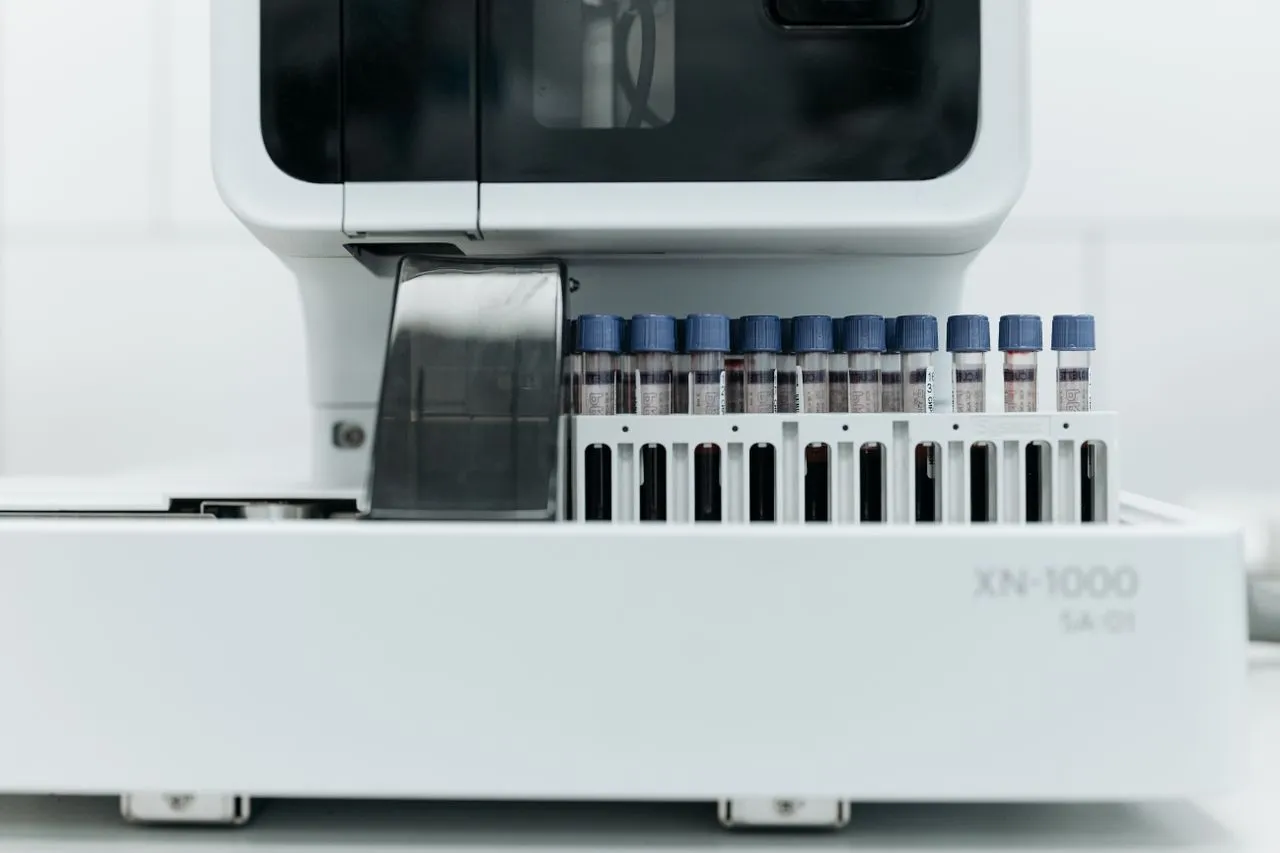
Cardio Diagnostics Holdings, Inc., an artificial intelligence-driven precision cardiovascular medicine company, has announced the official launch of its new high-complexity, Clinical Laboratory Improvement Amendments (CLIA)-certified laboratory in Iowa City, Iowa. The facility represents a significant operational milestone for the company, giving Cardio Diagnostics direct control over the processing of its multi-omics clinical tests, Epi+Gen CHD™ and PrecisionCHD™.
With the launch of the laboratory, Cardio Diagnostics is bringing clinical sample processing in-house, replacing the third-party laboratory arrangement previously used by the company. The move is designed to provide greater control over the complete testing workflow, from the receipt of patient samples through laboratory processing and quality control to the delivery of results to healthcare providers.
The company believes that operating its own laboratory will provide several strategic benefits, including greater consistency in testing, improved quality oversight, more predictable costs, potentially faster turnaround times, and stronger long-term economics as testing volumes increase. The Iowa City facility will also serve as a research environment, supporting Cardio Diagnostics’ ongoing work in precision epigenetics and cardiovascular disease management.
A Major Step Toward Vertical Integration
The establishment of the Iowa City laboratory is an important step in Cardio Diagnostics’ strategy to vertically integrate its diagnostic operations. Rather than relying on an external laboratory for clinical sample processing, the company now has greater control over the entire testing process.
Meesha Dogan, Ph.D., CEO and co-founder of Cardio Diagnostics, described bringing laboratory operations in-house as a defining milestone for the company. According to Dogan, controlling the process from sample receipt through the delivery of results enables Cardio Diagnostics to strengthen quality control, streamline laboratory operations, and provide healthcare providers with a more consistent testing experience.
The company also expects the move to support improvements in test margins as its sample volume grows.
Developing a fully operational high-complexity laboratory required significant investment in infrastructure, equipment, staffing, compliance procedures, and operational processes. Cardio Diagnostics said the facility was staffed, equipped, and established according to specifications within approximately one year.
The laboratory subsequently underwent an inspection by a CLIA compliance manager. According to the company, the inspection resulted in no deficiencies, allowing Cardio Diagnostics to obtain its federal CLIA license.
The company has also secured laboratory licenses in several additional states, including California, Maryland, Rhode Island, and Pennsylvania. Cardio Diagnostics is continuing the process of obtaining its final state license from New York, which has its own distinct laboratory licensing requirements.
Improving Cost Structure and Long-Term Margins
One of the key advantages Cardio Diagnostics expects from in-house testing is greater control over its cost structure.
Under the previous third-party processing model, the company was exposed to variable per-test outsourcing expenses. Bringing the laboratory operations in-house allows Cardio Diagnostics to replace those variable external costs with a more controllable internal cost structure.
The company believes this could improve the economics of its diagnostic testing business as sample volumes increase. With greater control over laboratory operations, equipment utilization, staffing, quality control, and workflow, Diagnostics expects to achieve greater operating efficiency over time.
The company currently anticipates that its in-house laboratory model could support gross margins of approximately 40% at scale.
For a diagnostic company, laboratory economics can have a significant effect on overall commercial performance. As test volumes increase, the ability to process a greater number of samples through an established laboratory infrastructure can potentially improve utilization and reduce the average cost associated with each test.
The move therefore represents not only an operational decision but also a strategic financial initiative intended to strengthen the company’s long-term business model.
Greater Control Over Test Turnaround Times
Another important benefit of the Iowa City facility is greater control over the turnaround time for patient results.
Cardio Diagnostics currently reports a turnaround time of approximately seven to 10 business days from the point at which a sample is received at its laboratory. By controlling the laboratory workflow internally, the company expects to have greater ability to identify bottlenecks, optimize processes, and potentially shorten the time required to deliver results.
Turnaround time can be especially important in cardiovascular care, where patients may already experience delays between scheduling appointments, undergoing testing, receiving results, and returning to their healthcare providers for follow-up discussions.
Cardio Diagnostics cited findings from AMN Healthcare’s 2025 Survey of Physician Appointment Wait Times, which reported that patients in the 15 major metropolitan areas covered by the survey waited an average of 32.7 days for a new cardiology appointment and 23.5 days for a family medicine appointment.
Those waiting periods do not necessarily include the additional time required for follow-up appointments, diagnostic testing, laboratory analysis, and result interpretation. Consequently, delays at multiple stages of the healthcare journey can contribute to longer periods before a patient receives actionable information.
Cardio Diagnostics believes that a more predictable laboratory turnaround time could help reduce one part of this process.
The company’s testing model can also be combined with virtual telemedicine visits, potentially allowing providers to review and discuss results without requiring patients to make additional in-person visits. By making test results available in a predictable timeframe, the company aims to help healthcare providers make informed decisions sooner.
Supporting Precision Cardiovascular Medicine
The Iowa City facility is not limited to clinical sample processing. Diagnostics has also established a research laboratory within the facility to support its research programs.
The research component of the laboratory is expected to play an important role in the company’s work involving precision epigenetic methods and cardiovascular health. Cardio Diagnostics uses multi-omics technologies to analyze biological information that may help characterize an individual’s cardiovascular risk.
Epigenetics involves changes in gene activity that can occur without altering the underlying DNA sequence. Such biological signals may provide information about how environmental exposures, lifestyle factors, disease processes, and other influences affect the body’s biological systems.
Cardio Diagnostics is investigating how precision epigenetic measurements can contribute to more targeted approaches to cardiovascular disease prevention, monitoring, and management.
Having clinical and research laboratory capabilities in the same facility may provide operational advantages by bringing testing, research, quality control, and assay development activities closer together.
Building a High-Precision Cardiovascular Monitoring System
The new facility is also expected to contribute to Diagnostics’ broader goal of developing a high-precision monitoring system for cardiovascular health.
The company believes that longitudinal monitoring of biomarkers could provide valuable information about how a patient’s cardiovascular risk changes over time. Rather than relying solely on a single assessment, repeated measurements may help physicians understand changes in an individual’s biological profile and evaluate whether interventions are producing the desired effects.
Vertical integration of laboratory operations gives Diagnostics the opportunity to develop proprietary quality-control processes and precision measurement tools designed specifically around its testing technologies.
The company intends to use these capabilities to support the accurate detection and quantification of changes in epigenetic biomarkers over time. It also aims to investigate how these changes can potentially be connected with therapeutic interventions.
Such an approach could contribute to a more dynamic model of cardiovascular care in which risk assessment is not treated as a one-time event but instead becomes part of an ongoing monitoring strategy.
Epi+Gen CHD and PrecisionCHD
The Iowa City laboratory will process Diagnostics’ multi-omics clinical tests, Epi+Gen CHD™ and PrecisionCHD™.
These tests form part of the company’s broader precision cardiovascular medicine platform, which combines artificial intelligence with genomic and epigenetic information.
By bringing the testing workflow under its direct control, Diagnostics can establish standardized procedures across sample processing and quality management. This may be particularly important as the company seeks to expand testing volumes and increase adoption among healthcare providers, employers, brokers, and patients.
The laboratory infrastructure is also expected to provide a foundation for future development of additional diagnostic and monitoring capabilities.
Expanding Benefits for Providers and Patients
The company expects the new laboratory to benefit several groups within the cardiovascular healthcare ecosystem.
For physicians, greater control over testing operations could mean more predictable turnaround times and greater consistency in laboratory processing. Faster access to results may help providers make clinical decisions without unnecessary delays.
For patients, a streamlined testing workflow could contribute to a more efficient care journey. This may be particularly relevant for individuals who are already waiting several weeks for specialist appointments or follow-up care.
Employers and brokers that use cardiovascular risk-management programs may also benefit from more predictable laboratory operations and costs. As precision medicine becomes increasingly integrated into preventive healthcare strategies, reliable diagnostic infrastructure can become an important component of large-scale health management programs.
Strengthening the Company’s Long-Term Strategy
The launch of the Iowa City laboratory marks a significant evolution in Diagnostics’ operating model. The company is moving beyond reliance on third-party laboratory processing and establishing greater internal control over its clinical testing infrastructure.
This vertical integration is expected to provide benefits across multiple areas, including quality management, cost control, turnaround time, research capabilities, and product development.
The successful completion of the CLIA inspection without deficiencies and the acquisition of licenses in multiple states further strengthen the company’s ability to operate its laboratory and expand its reach.
While the company continues to pursue its final state license in New York, its growing regulatory footprint positions the laboratory to support broader commercialization of its cardiovascular testing services.
Ultimately, Diagnostics aims to use the new facility as a foundation for advancing its precision medicine strategy. By combining artificial intelligence, multi-omics testing, laboratory expertise, and longitudinal biomarker monitoring, the company is seeking to develop more personalized approaches to risk assessment and management.
As testing volumes grow, Diagnostics expects the in-house laboratory to provide increasing operational and economic benefits. The facility’s combination of clinical testing and research capabilities could also support the company’s efforts to develop new tools for monitoring cardiovascular health and understanding how biological changes relate to therapeutic interventions.
The launch therefore represents more than the opening of a new laboratory. It marks a strategic move toward greater vertical integration and operational control, while supporting Diagnostics’ broader objective of delivering more precise, timely, and scalable cardiovascular diagnostic solutions to providers, patients, employers, and other healthcare stakeholders.
About Cardio Diagnostics
Cardio Diagnostics is an artificial intelligence-powered precision cardiovascular medicine company that makes cardiovascular disease prevention, detection, and management more accessible, personalized, and precise. The Company was formed to further develop and commercialize clinical tests by leveraging a proprietary Artificial Intelligence (AI)-driven Integrated Genetic-Epigenetic Engine (“Core Technology”) for cardiovascular disease to become one of the leading medical technology companies for improving prevention, detection, and treatment of cardiovascular disease. For more information, please visit https://cdio.ai/