


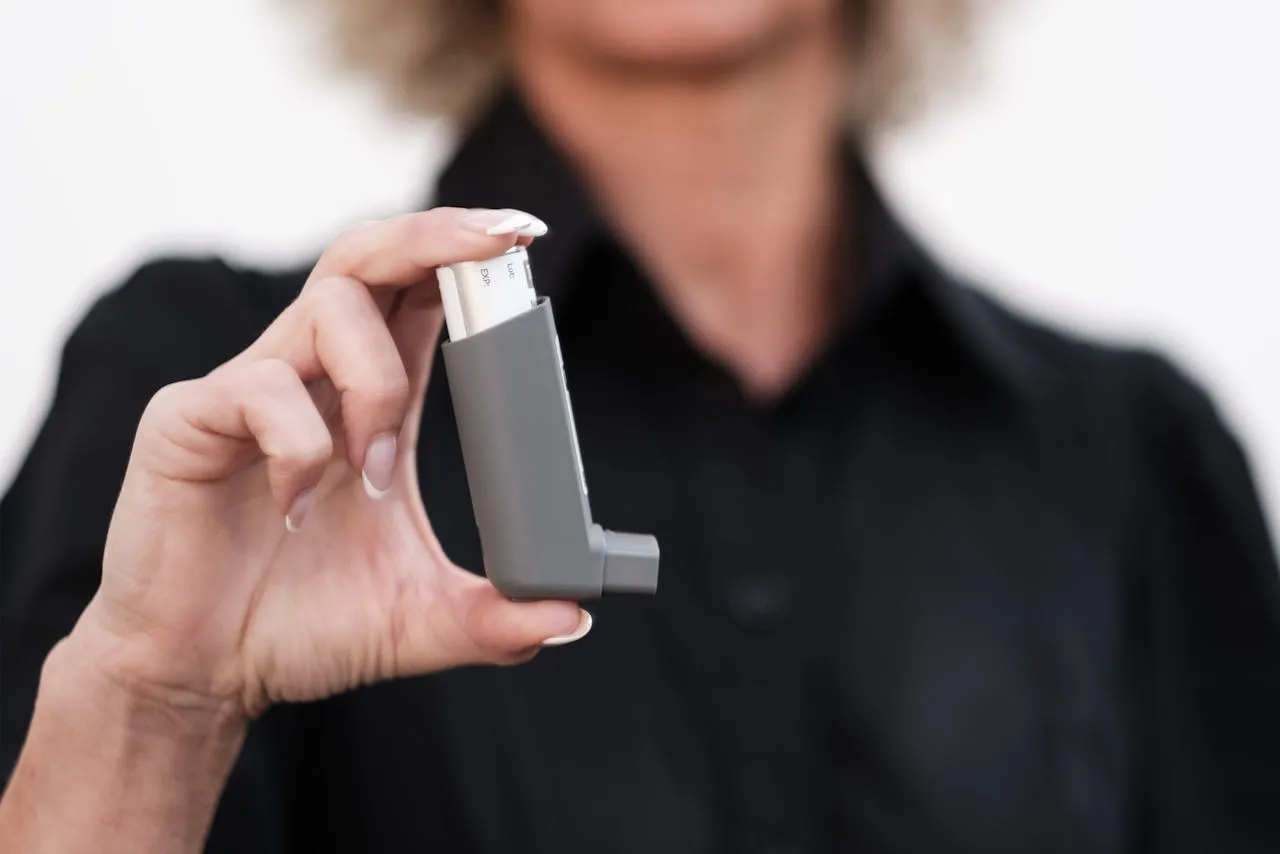
AeroRx Therapeutics has reported positive Phase 2a clinical data for AERO-007, an investigational nebulized fixed-dose combination therapy being developed for the treatment of chronic obstructive pulmonary disease. The results, presented at the American Thoracic Society 2026 International Conference, highlight the potential of AERO-007 to become the first nebulized LABA+LAMA fixed-dose combination therapy in clinical development for COPD patients who require or prefer nebulized treatment.
The study findings demonstrated that AERO-007 produced rapid, statistically significant, and sustained improvements in lung function while maintaining a favorable tolerability profile across both dose levels tested. The company believes the therapy could address a significant unmet need among COPD patients who are unable to adequately use handheld inhalers or who benefit from nebulized medication delivery systems.
Chronic obstructive pulmonary disease remains one of the leading causes of morbidity and mortality worldwide, affecting hundreds of millions of individuals and placing a substantial burden on healthcare systems globally. The progressive respiratory disease is characterized by airflow limitation, chronic inflammation, and worsening respiratory symptoms such as breathlessness, cough, and mucus production.
Current treatment guidelines frequently recommend dual bronchodilation therapy using a combination of a long-acting beta agonist, known as a LABA, and a long-acting muscarinic antagonist, or LAMA, as a foundational maintenance treatment strategy for many patients with moderate-to-severe COPD. These therapies work by relaxing airway smooth muscle through complementary mechanisms, helping improve airflow and reduce respiratory symptoms.
However, while many currently available LABA+LAMA therapies are delivered through dry powder inhalers or metered-dose inhalers, some COPD patients experience difficulty effectively using handheld inhaler devices due to advanced disease, poor inspiratory capacity, physical limitations, or coordination challenges. Nebulized therapies may offer an important alternative for these individuals by enabling medication delivery through normal tidal breathing.
Despite the widespread use of nebulizers in respiratory care, there have been limited options for fixed-dose nebulized LABA+LAMA combinations. AeroRx Therapeutics believes AERO-007 could potentially fill this treatment gap by offering a once-daily nebulized dual bronchodilator therapy delivered using a standard jet nebulizer system.
The Phase 2a trial evaluating AERO-007 was designed as a randomized, double-blind, placebo-controlled, single-dose, three-period crossover, dose-ranging study. Investigators enrolled 16 patients with moderate-to-severe COPD to assess the therapy’s safety, tolerability, pharmacokinetics, and bronchodilator efficacy.
Participants in the study received two dose strengths of AERO-007—100/50 micrograms and 200/100 micrograms—as well as placebo during separate treatment periods, each separated by washout intervals. The therapy combines indacaterol, a long-acting beta agonist, with glycopyrrolate, a long-acting muscarinic antagonist, in a proprietary inhalation solution formulated specifically for nebulized delivery.
All treatments were administered using the LC Sprint standard jet nebulizer, and investigators evaluated pulmonary function through serial spirometry measurements collected over a 24-hour period following dosing.
According to the study results presented at the conference, both dose levels of AERO-007 achieved statistically significant improvements in lung function compared with placebo.
One of the primary efficacy measures evaluated in the trial was placebo-adjusted standardized forced expiratory volume in one second area under the curve over 24 hours, commonly referred to as FEV₁ AUC0-24h. FEV₁ is a widely used measure of pulmonary function in COPD clinical trials and reflects the volume of air a patient can forcefully exhale in one second.
The placebo-adjusted FEV₁ AUC0-24h improvements were 251 milliliters for the AERO-007 100/50 microgram dose and 262 milliliters for the 200/100 microgram dose. Both results achieved statistical significance with p-values below 0.001.
Investigators also reported robust placebo-adjusted peak improvements from baseline in FEV₁. Patients receiving the lower dose experienced a 311 milliliter peak increase, while those receiving the higher dose demonstrated a 302 milliliter increase. These magnitudes of bronchodilation were described as clinically meaningful and suggestive of substantial airflow improvement.
Importantly, the bronchodilator effects were sustained across the full 24-hour evaluation period, supporting the possibility of once-daily administration. Once-daily maintenance therapies are often preferred in chronic disease management because simplified dosing schedules may improve patient adherence and treatment consistency.
The study additionally evaluated systemic pharmacokinetic exposure to both indacaterol and glycopyrrolate following nebulized administration. According to the company, systemic exposures were similar to or below those observed with the reference dry powder inhaler product Utibron Neohaler administered twice daily.
Lower or comparable systemic exposure can be important in inhaled respiratory therapies because excessive systemic absorption may increase the risk of cardiovascular or other off-target side effects associated with bronchodilator medications.
In terms of safety and tolerability, AERO-007 was generally well tolerated at both dose levels. Most treatment-emergent adverse events observed during the study were mild in severity, and no adverse events led to treatment discontinuation.
The absence of significant tolerability concerns in this early-stage trial is viewed as encouraging given the vulnerability of many COPD patients, particularly those with advanced disease who may already have substantial cardiopulmonary comorbidities.
Dave Singh, Professor of Respiratory Medicine and Clinical Pharmacology at the University of Manchester and principal investigator of the Phase 2a study, stated that although dual bronchodilation remains a central component of COPD maintenance therapy, drug delivery challenges continue to limit optimal treatment for some patients.
Singh explained that the study findings demonstrate the potential for nebulized AERO-007 to provide rapid and clinically meaningful bronchodilation sustained over a full day, supporting the concept of a once-daily nebulized LABA+LAMA combination for patients who may not receive adequate benefit from handheld inhaler-based therapies.
He noted that delivery limitations can be especially problematic in older adults and patients with severe respiratory impairment, many of whom struggle with the inspiratory force or coordination necessary for effective inhaler use.
AeroRx co-founder and Chief Executive Officer Ahmet Tutuncu said the Phase 2a data strengthen the company’s confidence in AERO-007 as a potential first-line maintenance bronchodilator therapy for COPD patients requiring or preferring nebulized treatment options.
Tutuncu emphasized that patients in this segment have historically lacked access to guideline-preferred LABA+LAMA therapy in a fixed-dose nebulized formulation. According to the company, current nebulized COPD therapies often involve either monotherapy agents or the need for multiple separate nebulized medications rather than a single fixed-dose combination product.
He stated that by combining two clinically validated bronchodilators into a proprietary nebulized formulation compatible with standard jet nebulizers, AeroRx aims to address a meaningful treatment gap within COPD care.
Tutuncu also acknowledged the contributions of study participants, investigators, advisors, and the AeroRx development team in advancing the program and stated that the company looks forward to moving AERO-007 into the next stage of clinical development.
The findings were formally presented on May 17, 2026, during the ATS International Conference in a scientific poster titled “Phase 2a, Randomized, Double-Blind, Placebo-Controlled Study of Inhaled AERO-007, a Novel Inhalation Solution of LABA+LAMA Combination (Indacaterol + Glycopyrrolate) for Nebulization Delivery in COPD.”
The broader respiratory therapeutics landscape has increasingly focused on improving treatment personalization and optimizing drug delivery methods for patients with chronic lung disease. While inhaler technologies have advanced considerably over recent decades, real-world adherence and inhaler technique challenges remain significant barriers to optimal COPD management.
Research has consistently shown that incorrect inhaler technique is common among COPD patients and may reduce therapeutic effectiveness. Nebulized delivery systems can help overcome some of these challenges by simplifying administration and enabling passive inhalation during normal breathing.
As healthcare providers continue seeking strategies to improve long-term disease control and patient adherence, the development of once-daily nebulized fixed-dose combination therapies represents a potentially important innovation in respiratory medicine.
If future studies continue to demonstrate favorable efficacy and safety, AERO-007 could emerge as a differentiated treatment option for COPD patients who require or prefer nebulized therapy, potentially expanding access to guideline-recommended dual bronchodilation in a patient population that has historically faced limited fixed-dose nebulized treatment choices.
About AERO-007
AERO-007 combines the long-acting, FDA-approved bronchodilators indacaterol (LABA) and glycopyrrolate (LAMA) in a proprietary formulation for delivery via a 510(k)-cleared standard jet nebulizer. More than 16 million people in the United States are diagnosed with COPD, posing a significant economic and social burden, and as many as 50 percent remain symptomatic even while using FDA-approved LABA+LAMA maintenance therapy delivered via handheld inhalers (1). Studies also show that up to 75 percent of patients do not receive the full therapeutic dose from handheld inhaler devices, which demand coordination and forceful inhalation (2).
Nebulized delivery offers a passive-breathing alternative that can provide more consistent dosing and better symptom control for patients who find handheld inhalers challenging, particularly older adults and those with advanced COPD, who are at high risk for exacerbations, hospitalization, and disease progression.
About AeroRx Therapeutics
AeroRx Therapeutics is a clinical-stage biopharmaceutical company developing proprietary, combination products for nebulized delivery to improve the treatment of chronic respiratory diseases. The company’s lead product candidate, inhaled AERO-007, is the first nebulized LABA+LAMA fixed-dose combination bronchodilator in clinical development as a first-line maintenance therapy for COPD and has the potential to help millions of patients who remain symptomatic, or poorly served, under existing drugs delivered via handheld inhalers or nebulized LABA or LAMA monotherapy.
A second program, AERO-111, is in development as the first nebulized LABA+LAMA+ICS triple therapy, for patients who escalate beyond dual bronchodilators. AeroRx’s leadership team has decades of expertise in aerosol drug delivery, clinical development, and regulatory strategy and guided multiple respiratory therapies from concept to regulatory approval. AeroRx is headquartered in the Avalon BioVentures Accelerator in La Jolla, California. For more visit, www.aerorxtx.com.