


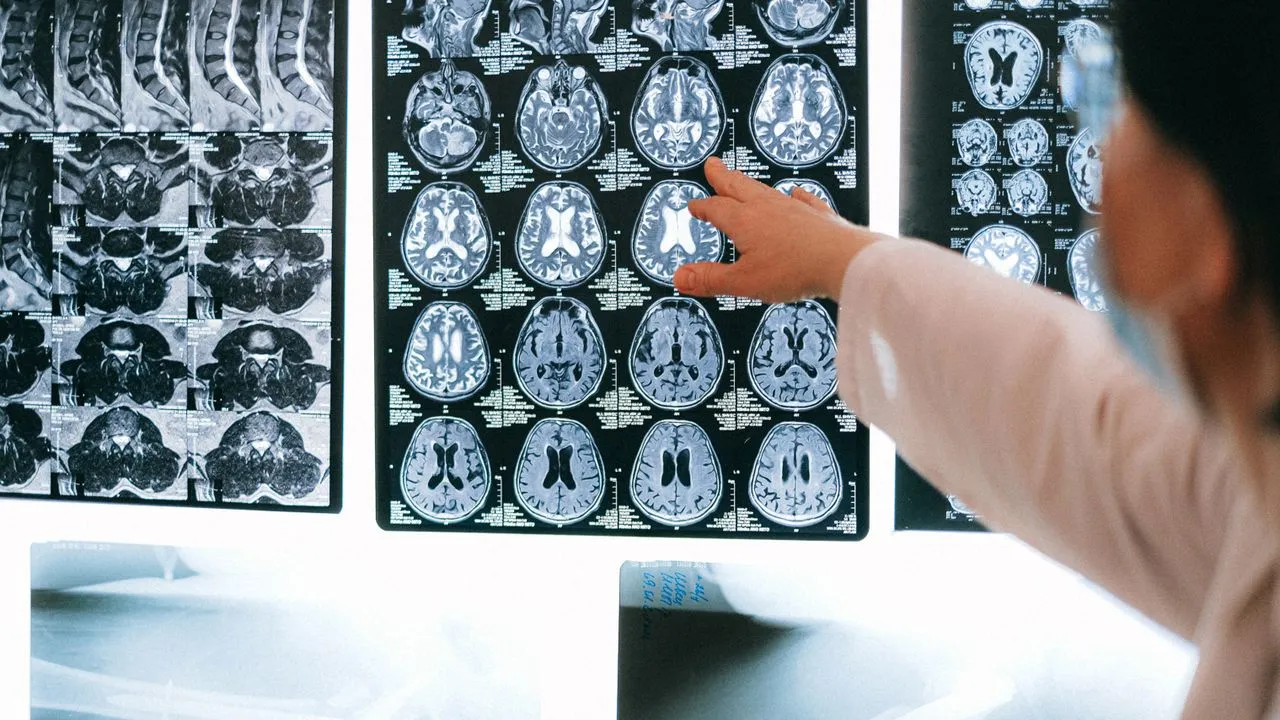
The BRAIN Foundation, in partnership with Stanford Medicine, has announced the launch of the Aurora Research Network (ARN), a nationwide collaborative initiative designed to establish the first coordinated, evidence-based standard of care for patients experiencing sudden and severe behavioral or neuropsychiatric deterioration. Supported by an initial $2 million commitment from The BRAIN Foundation, the network seeks to address a longstanding gap in clinical practice by creating standardized approaches for evaluating, diagnosing, and treating individuals affected by these complex conditions.
The initiative brings together clinicians, researchers, and healthcare institutions with the shared goal of improving care for individuals living with neurodevelopmental and neuroimmune disorders, including autism spectrum disorder (ASD) associated with acute behavioral deterioration, Pediatric Acute-onset Neuropsychiatric Syndrome (PANS), Pediatric Autoimmune Neuropsychiatric Disorders Associated with Streptococcal Infections (PANDAS), and other disorders characterized by rapid and significant declines in neurological or behavioral functioning.
At the heart of the program is the creation of a centralized research infrastructure coordinated through the Aurora Research Network Coordinating Center at the Stanford University School of Medicine. This infrastructure will support the collection of standardized clinical data, development of evidence-based treatment protocols, multicenter clinical research, and collaboration among specialists from numerous medical disciplines.
Patients who experience sudden neuropsychiatric deterioration often present with complex combinations of behavioral, cognitive, neurological, psychiatric, and immune-related symptoms. These episodes can involve rapid declines in daily functioning, severe behavioral changes, anxiety, obsessive-compulsive symptoms, movement abnormalities, sleep disturbances, or loss of previously acquired developmental skills.
Despite the seriousness of these conditions, there is currently no universally accepted clinical framework for evaluating or managing such cases. Families frequently encounter fragmented healthcare systems where specialists from different disciplines may approach the condition differently, resulting in inconsistent evaluations and varying treatment recommendations.
The Aurora Research Network has been established to address this challenge by developing standardized clinical pathways based on scientific evidence and expert consensus.
The primary objective of ARN is to transition the field from reliance on individual clinical judgment toward shared, evidence-based decision-making.
Rather than each institution developing independent evaluation and treatment strategies, participating centers will collaborate to establish standardized protocols informed by clinical evidence, expert consensus, and real-world patient outcomes.
Funding from The BRAIN Foundation will support development of:
These resources are intended to help clinicians provide more consistent care while generating the evidence needed to improve future treatment approaches.
The Aurora Research Network has been developed through a collaboration involving leaders in neuroimmune research, clinical medicine, and patient advocacy.
The initiative was spearheaded by Dr. Pramila Srinivasan, founder and president of The BRAIN Foundation, working alongside Dr. Jennifer Frankovich, pediatric rheumatologist and director of the Stanford Immune Behavioral Health Clinic at Stanford Medicine, and Dr. Denise Calaprice, director of the Studying Youth Neuro-Immune Connections program at Stanford Medicine.
Together, these leaders have combined expertise in clinical research, pediatric medicine, neuroimmune disorders, drug development, and patient advocacy to establish the strategic vision for the network.
Dr. Srinivasan emphasized that families caring for children and adults experiencing severe behavioral deterioration frequently struggle to navigate fragmented healthcare systems.
Because these patients often require evaluation by multiple specialties—including psychiatry, neurology, immunology, pediatrics, gastroenterology, and emergency medicine—care can become highly complex.
Without standardized clinical guidelines, treatment decisions may differ substantially between providers.
According to Dr. Srinivasan, Aurora aims to create the scientific and clinical infrastructure necessary to move beyond isolated clinical experience toward evidence-based consensus.
She explained that the initiative seeks to build not only scientific evidence but also collaborative systems that allow healthcare professionals across specialties to work from shared standards.
A major component of the Aurora Research Network is establishment of a centralized research platform capable of supporting large-scale collaborative studies.
Instead of individual institutions conducting isolated research projects, ARN will enable standardized data collection across participating centers.
This coordinated infrastructure will facilitate:
The centralized database will allow investigators to study disease progression across diverse patient populations while generating high-quality evidence to guide future care.
One of the network’s initial scientific priorities is improving understanding of the natural history of these disorders.
Although clinicians recognize that many neuroimmune and neurodevelopmental conditions can involve episodes of acute deterioration, relatively little prospective data exist describing how these illnesses evolve over time.
ARN plans to systematically collect long-term clinical information regarding:
This information will help researchers better understand disease trajectories while informing future therapeutic development.
Another key objective involves developing evidence-based diagnostic criteria and identifying clinically meaningful patient subgroups.
Many neuropsychiatric disorders encompass broad ranges of symptoms and biological mechanisms.
Patients who appear clinically similar may actually represent distinct disease subtypes that respond differently to treatment.
ARN researchers plan to analyze clinical data to establish more precise classifications capable of supporting personalized treatment strategies.
Improved patient stratification may also enhance future clinical trials by ensuring therapies are evaluated within the populations most likely to benefit.
Reliable outcome measures remain essential for evaluating treatment effectiveness.
The Aurora Research Network will work to refine and validate standardized tools capable of measuring:
Better outcome measures will strengthen future clinical research while allowing physicians to more accurately monitor patient progress during routine care.
In addition to prospective research, ARN intends to analyze real-world treatment data from patients currently receiving care.
Investigators will examine responses to existing therapies in order to identify interventions showing the greatest promise for future formal clinical evaluation.
Real-world evidence can provide valuable insights into treatment effectiveness outside highly controlled research settings while helping prioritize therapies for randomized clinical trials.
Another important research priority involves identifying biological markers associated with disease activity.
Researchers will investigate biomarkers obtained from blood and other biological samples that may eventually assist clinicians in:
Validated biomarkers could improve diagnostic accuracy while facilitating development of precision medicine approaches tailored to individual patients.
The first major activity supported by The BRAIN Foundation will be convening an international Delphi consensus panel.
The Delphi method is a structured process that brings together experts from diverse disciplines to develop consensus recommendations through multiple rounds of independent evaluation and discussion.
ARN plans to assemble specialists representing fields including:
Together, these experts will develop what is expected to become the first evidence-based consensus recommendations for evaluating and treating severe neuropsychiatric deterioration associated with these complex disorders.
Beyond developing clinical guidelines, ARN will establish a national and international clinical trial infrastructure.
The network aims to simplify the research process by centralizing:
This coordinated infrastructure will reduce administrative barriers that frequently slow multicenter research.
Participating institutions will be able to conduct harmonized clinical studies using standardized methodologies, accelerating therapeutic development.
Recognizing that patients and caregivers possess valuable insights into disease impact, ARN will establish a dedicated patient and family advisory council.
The council will ensure that research priorities reflect issues most important to individuals living with these conditions.
Patient engagement will help guide:
This collaborative approach aims to ensure future research remains closely aligned with real-world patient needs.
The Aurora Research Network will be presented publicly during Synchrony 2026, The BRAIN Foundation’s annual symposium scheduled for August 30, 2026.
Dr. Jennifer Frankovich and Dr. Kevin Hoffman, Clinical Assistant Professor at Stanford Medicine, will discuss the initiative and its objectives during the conference.
The symposium is open to healthcare professionals, researchers, patients, caregivers, and members of the general public interested in advances in neuroimmune and neurodevelopmental research.
The Aurora Research Network is actively inviting healthcare institutions and investigators to join the collaborative effort.
To date, 21 research sites have formally expressed interest in participating.
Importantly, organizations without existing research infrastructure are also encouraged to become involved.
Expressions of interest will help guide future resource allocation, infrastructure development, and fundraising activities needed to expand the network.
The long-term vision is to build a broad collaborative ecosystem capable of serving patients regardless of geographic location.
Beyond research, the Aurora Research Network aims to transform how care is delivered for patients experiencing severe neuropsychiatric deterioration.
Its long-term goal is to establish an integrated care model bringing together specialists from multiple disciplines into coordinated clinical networks.
Rather than navigating fragmented healthcare systems independently, patients would benefit from collaborative expertise spanning neurology, psychiatry, immunology, pediatrics, gastroenterology, behavioral medicine, and related specialties.
Such coordinated care has the potential to improve diagnostic consistency, accelerate treatment decisions, and enhance patient outcomes.
The launch of the Aurora Research Network marks an important milestone in efforts to improve care for individuals experiencing sudden and severe neuropsychiatric deterioration associated with neurodevelopmental and neuroimmune disorders. Through the collaboration between The BRAIN Foundation and Stanford Medicine, the initiative seeks to establish the first comprehensive, evidence-based framework for evaluating, diagnosing, and treating these complex conditions while advancing scientific understanding through coordinated multicenter research.
By combining standardized clinical protocols, prospective data collection, biomarker research, expert consensus development, and patient-centered collaboration, ARN aims to accelerate discoveries that can ultimately lead to more effective therapies and improved quality of life for affected individuals and their families. As additional research institutions join the network and clinical evidence continues to grow, the initiative has the potential to reshape care for patients across the United States and internationally, creating a more consistent, collaborative, and evidence-driven approach to managing some of the most challenging neuropsychiatric disorders.
About The BRAIN Foundation
The BRAIN Foundation is a nonprofit organization dedicated to advancing research, accelerating clinical innovation, and improving the lives of individuals with neurodevelopmental disorders, including autism spectrum disorders.
Through strategic funding, national collaborations, and engagement with leading academic institutions, The BRAIN Foundation supports groundbreaking research while translating scientific discoveries into better clinical care. For more information about The BRAIN Foundation, please visit https://brainfoundation.org, and connect on LinkedIn, Facebook and YouTube.
Investigators and sites interested in learning more about the Aurora Research Network may contact Denise Calaprice, Ph.D., director, Aurora Research Network, at dcala@stanford.edu.
All brand and solution names are trademarks or registered trademarks of their respective companies.
Tags: BRAIN Foundation, Aurora Research Network, Stanford School of Medicine, neuropsychiatric, behavioral disorder, neurodevelopmental disorder, neuroimmune disorder, autism spectrum disorder, ASD, neuroscience, neurodivergent, neurodiversity, medical research, medical technology, clinical trials, biomarkers, Delphi consensus panel