


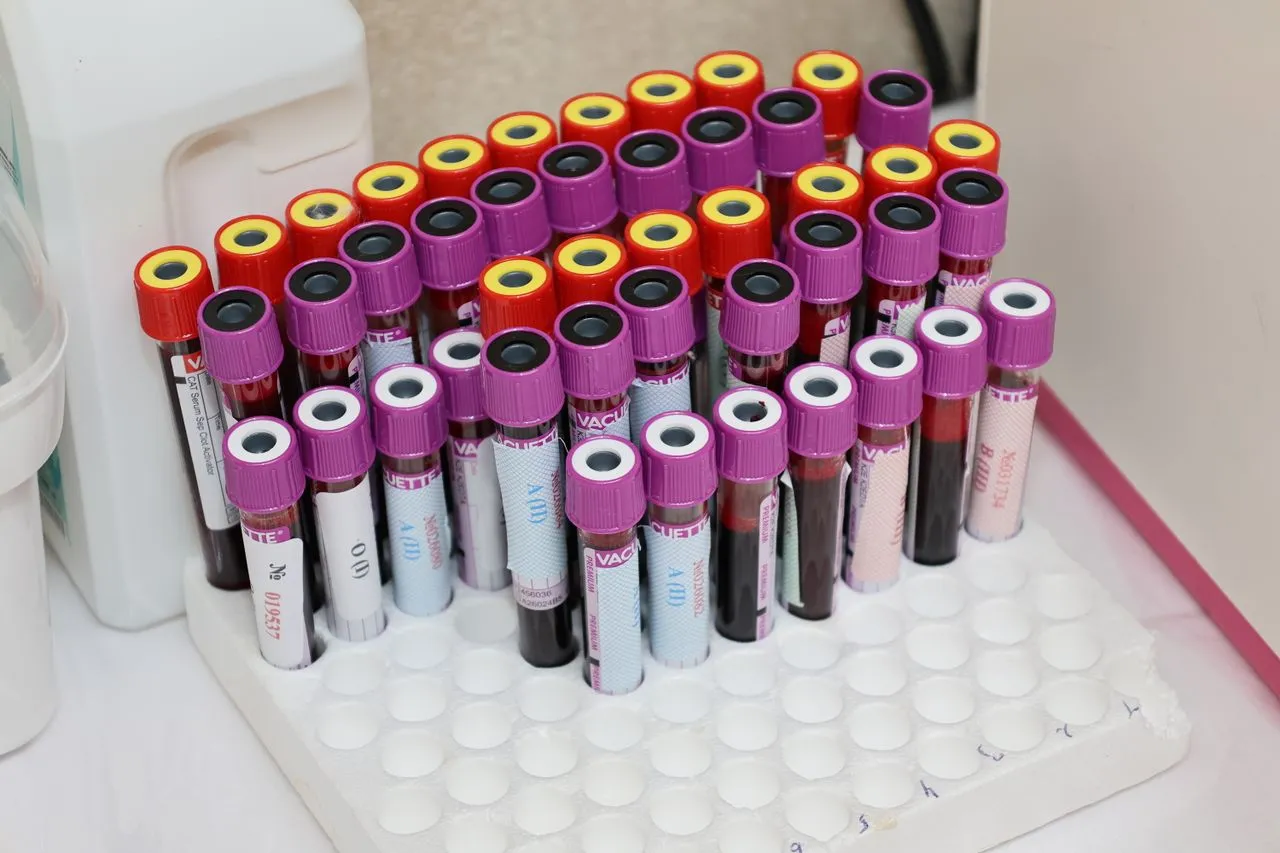
Cepheid, a molecular diagnostics company and part of Danaher Corporation, has announced the donation of an initial shipment of its Xpert® Hemorrhagic Fever panel tests to support efforts to contain and manage the ongoing Ebola Bundibugyo virus (BDBV) outbreak affecting the Democratic Republic of the Congo (DRC) and Uganda. The move comes as international health authorities intensify measures to respond to the outbreak and prevent further spread across the region.
The World Health Organization (WHO) declared the outbreak a Public Health Emergency of International Concern on May 17, 2026, underscoring the seriousness of the situation and the need for rapid diagnostic capabilities, coordinated surveillance, and effective public health interventions. The deployment of Cepheid’s diagnostic technology is intended to strengthen outbreak response efforts by enabling healthcare workers to identify infections more quickly and initiate appropriate containment measures.
According to Cepheid, the first shipment of Xpert Hemorrhagic Fever panel tests has already arrived in the Democratic Republic of the Congo, where healthcare authorities are working to contain the outbreak and monitor potential transmission.
The company stated that it is actively collaborating with a broad coalition of public health organizations and government agencies to increase production and accelerate additional deliveries. These efforts are being coordinated with the World Health Organization, the U.S. government, the Africa Centres for Disease Control and Prevention, ministries of health in affected countries, and other international partners.
Cepheid emphasized that future deployments will be guided by regulatory requirements and public health priorities to ensure testing resources reach the areas where they are most urgently needed.
The goal is to strengthen diagnostic capacity in regions experiencing active transmission while also supporting neighboring areas at elevated risk of cross-border spread.
Rapid diagnosis is one of the most critical components of an effective Ebola outbreak response.
Ebola virus disease can spread quickly through close contact with infected individuals and bodily fluids, making early identification of cases essential for isolation, contact tracing, treatment, and community protection.
Traditional laboratory testing often requires transporting samples to centralized facilities, which can delay diagnosis, particularly in remote or resource-limited settings. Such delays may increase opportunities for transmission and complicate outbreak containment efforts.
Cepheid’s Xpert Hemorrhagic Fever panel is designed to address these challenges by providing molecular diagnostic results in approximately one hour. The test can be performed on GeneXpert systems already installed in healthcare facilities, enabling decentralized testing closer to patients and outbreak hotspots.
According to Dr. Connie Savor, Chief Medical Officer at Cepheid, the company is working urgently alongside global health organizations to expand access to the diagnostic platform in affected regions.
She noted that the widespread presence of GeneXpert systems across Africa provides a significant advantage for outbreak response efforts. Because healthcare workers can utilize existing infrastructure, testing can be scaled more rapidly without requiring extensive new laboratory construction or equipment deployment.
Dr. Savor emphasized that rapid testing supports timely patient isolation, appropriate treatment decisions, and more effective outbreak control strategies.
Cepheid officials highlighted the importance of collaboration between governments, public health organizations, and private industry in responding to infectious disease emergencies.
Larry Kelmar, Vice President of Government Programs and Pharmaceutical Collaborations at Cepheid, stated that the company’s response is possible because of long-standing partnerships established through years of collaboration on global health initiatives.
He explained that coordinated public-private efforts are essential during disease outbreaks, particularly when rapid deployment of diagnostic technologies is required. By leveraging established relationships with governmental agencies, international organizations, and healthcare systems, Cepheid is able to mobilize resources and distribute testing capabilities efficiently.
The company’s experience supporting previous public health emergencies has helped build a framework for responding quickly when new infectious disease threats emerge.
The Xpert Hemorrhagic Fever panel is a molecular diagnostic assay capable of detecting multiple viral pathogens associated with severe hemorrhagic fever illnesses.
The test has received FDA 510(k) clearance for use by the United States Department of Defense and forms part of the Department of Defense’s Next Generation Diagnostics System 2 Program.
Importantly, the assay can detect and identify nucleic acids from several high-consequence pathogens, including:
The ability to identify multiple hemorrhagic fever pathogens from a single testing platform is particularly valuable in regions where several infectious diseases may present with similar symptoms.
Patients infected with these viruses often experience fever, fatigue, muscle pain, and other nonspecific symptoms during early stages of illness, making accurate laboratory diagnosis essential for effective clinical management and public health decision-making.
The approximately one-hour turnaround time provided by the assay allows healthcare workers to receive actionable information quickly, improving response speed during outbreak situations.
One of the most significant advantages supporting Cepheid’s response is the extensive installed base of GeneXpert systems throughout Africa.
GeneXpert platforms are already widely deployed in healthcare facilities across the Democratic Republic of the Congo, Uganda, South Sudan, Rwanda, and many other countries. Initially introduced to support tuberculosis and infectious disease testing, these systems now serve as critical components of healthcare diagnostic infrastructure.
Because the systems are already operational, healthcare providers can begin utilizing the hemorrhagic fever test without waiting for additional instrumentation to be installed.
This decentralized testing capability is particularly important in rural and hard-to-reach regions where transportation challenges can delay access to centralized laboratory services.
The availability of existing infrastructure allows health authorities to expand testing capacity rapidly while supporting surveillance activities across a broader geographic area.
Cepheid’s involvement in Ebola outbreak management extends back more than ten years.
During the major West African Ebola epidemic between 2014 and 2016, the company developed and deployed the Xpert Ebola test, which received Emergency Use Authorization from the FDA. The diagnostic tool was used extensively in affected countries and helped demonstrate the value of decentralized molecular testing during public health emergencies.
The experience gained during that outbreak contributed significantly to current approaches for rapid Ebola diagnosis and outbreak management.
Public health experts have long recognized that reducing the time between symptom onset and laboratory confirmation is a crucial factor in limiting transmission. By providing rapid, near-patient testing capabilities, molecular diagnostics can help close this critical gap.
The lessons learned from previous Ebola responses continue to influence current preparedness and response strategies across Africa and beyond.
Cepheid has built a reputation as a key contributor to global responses against emerging infectious diseases.
The company has more than two decades of experience developing and deploying diagnostic technologies during public health emergencies.
One of the most notable examples occurred during the COVID-19 pandemic. In early 2020, Cepheid became the first company to receive FDA Emergency Use Authorization for a point-of-care molecular PCR test capable of detecting SARS-CoV-2. The authorization was granted only weeks after scientists published the viral genetic sequence, illustrating the speed with which diagnostic innovation can support outbreak response.
The company has also played a significant role in responding to Mpox. In 2023, its Xpert Mpox assay became the first point-of-care molecular diagnostic test to receive FDA Emergency Use Authorization for Mpox detection.
The following year, the assay achieved another milestone when it became the only point-of-care molecular test to receive World Health Organization Emergency Use Listing for Mpox. That designation expanded access to testing in resource-limited regions and strengthened global surveillance efforts.
These experiences have reinforced the importance of rapid diagnostics as a cornerstone of outbreak preparedness and response.
Today, GeneXpert systems are deployed in more than 180 countries worldwide, creating one of the largest molecular diagnostic networks in global healthcare.
This extensive infrastructure enables Cepheid and its partners to respond quickly when new infectious disease threats emerge. Instead of building testing capacity from scratch, health authorities can leverage existing platforms to introduce new assays and expand diagnostic capabilities within a short period of time.
As health officials continue efforts to contain the Ebola Bundibugyo outbreak in the Democratic Republic of the Congo and Uganda, rapid access to reliable testing remains a critical component of the response strategy.
By donating diagnostic tests and collaborating with international partners, Cepheid is contributing to broader efforts aimed at identifying infections quickly, supporting patient care, strengthening surveillance, and reducing the risk of further transmission. The initiative highlights the growing importance of public-private partnerships, established diagnostic infrastructure, and rapid innovation in addressing some of the world’s most urgent public health challenges.
About Cepheid
Cepheid, a Danaher company, is dedicated to improving healthcare by pioneering molecular diagnostics that combine speed, accuracy, and flexibility. Cepheid’s GeneXpert® systems and Xpert® tests automate highly complex and time-consuming manual procedures, providing A Better Way for institutions of any size to perform world-class PCR testing.
Cepheid’s broad test portfolio spans respiratory infections, blood virology, women’s and sexual health, TB and emerging infectious diseases, healthcare-associated infectious diseases, oncology, and human genetics. The company’s solutions deliver actionable results where they are needed most—from central laboratories and hospitals to near-patient settings. For more information, visit www.cepheid.com.
About Danaher
Danaher is a leading global life sciences and diagnostics innovator, committed to accelerating the power of science and technology to improve human health. Through our connected ecosystem of industry-leading businesses, we work side by side with customers to solve their most complex scientific and clinical challenges—helping move innovations from discovery to delivery faster for patients who depend on them.
Powered by the Danaher Business System, our advanced science and technology and proven ability to innovate help enable faster, more accurate diagnoses and reduce the time, cost, and risk required to discover, develop, and deliver life-changing therapies. Through continuous improvement and operational excellence, our approximately 60,000 associates worldwide are focused on delivering lasting impact and improving quality of life around the world, while building a healthier, more sustainable tomorrow.