


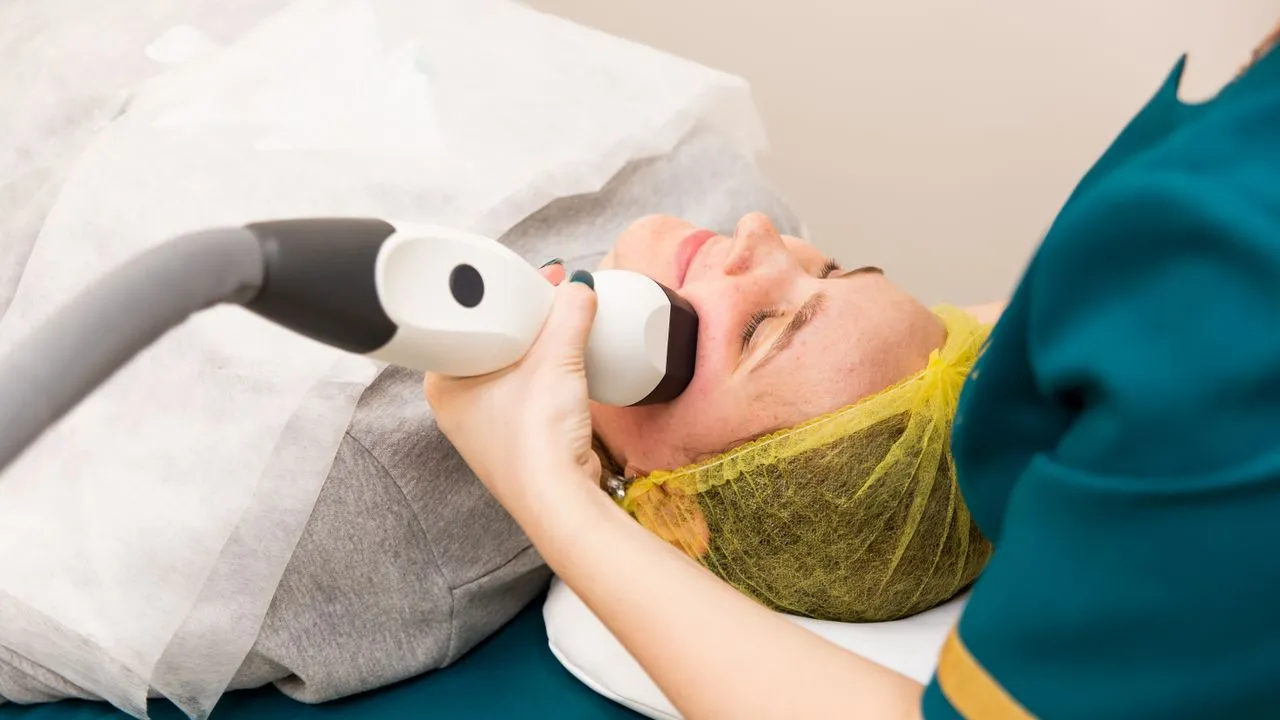
Cynosure Lutronic has reached a new commercial milestone for XERF™, its multifrequency monopolar radiofrequency platform for non-invasive structural skin tightening, with the company announcing that the device has now surpassed more than 2,000 installed units worldwide. The achievement comes less than two years after the platform first launched in South Korea in May 2024 and roughly a year after its North American debut in June 2025, underscoring the speed with which the technology has gained traction in the fast-growing aesthetics market.
The milestone reflects a broader transformation underway in aesthetic medicine, where both providers and patients are increasingly gravitating toward treatments that promise visible cosmetic improvement without surgery, needles or prolonged recovery. In that environment, XERF has quickly emerged as one of the most closely watched entrants in the non-invasive skin tightening category, benefiting from a mix of practitioner interest, consumer awareness, media exposure and celebrity-driven buzz.
For Cynosure Lutronic, the rapid uptake of XERF serves as validation not only of the product itself but also of the company’s wider strategy to capitalize on growing demand for energy-based aesthetic treatments that fit into modern patient preferences. Rather than pursuing more aggressive procedures associated with downtime and discomfort, many consumers are now seeking treatments that can support firmer, healthier-looking skin while still allowing them to maintain normal routines. XERF has been positioned squarely within that trend.
Cynosure Lutronic said the pace of XERF adoption has outperformed internal expectations, with the platform drawing strong interest from both medical aesthetic providers and patients looking for next-generation skin tightening solutions. According to the company, the rapid growth in installed units reflects a rising appetite for structural skin tightening treatments—procedures designed not just to temporarily improve skin appearance, but to target deeper tissue layers associated with long-term firmness and support.
Chris Aronson, the company’s North American president, said surpassing 2,000 installations reinforces the expanding role XERF is playing in the category. He described the adoption curve as a sign of strong enthusiasm from both clinics and consumers, and as evidence that demand for structural skin tightening is continuing to accelerate.
That momentum is important because the aesthetics market has become increasingly crowded with devices promising lifting, tightening, contouring and rejuvenation. For a new platform to gain meaningful traction in less than two years suggests that providers see commercial value in the treatment and that patients are responding to the positioning of the technology. In the case of XERF, Cynosure Lutronic appears to be capitalizing on a convergence of factors: heightened consumer awareness around preventative aesthetics, rising interest in non-surgical treatments, and a growing preference for procedures that can be performed with little interruption to daily life.
The company’s announcement comes as non-invasive aesthetic procedures continue to gain momentum worldwide. Over the last several years, structural skin tightening has become one of the fastest-growing segments in the beauty and medical aesthetics industries, fueled by consumers who want to address laxity, texture and early signs of aging without turning to surgery.
This trend is especially pronounced among patients interested in preventative aesthetics—a category that includes treatments used not only to address visible aging but also to maintain skin quality before more significant concerns emerge. Rather than waiting until sagging or volume loss becomes pronounced, many consumers are opting for energy-based procedures earlier, using them as part of longer-term skin health and anti-aging strategies.
That shift has created a market environment where comfort, convenience and natural-looking results matter as much as technical efficacy. Patients increasingly expect treatments to be tolerable, personalized and compatible with busy schedules. They also want outcomes that improve firmness and texture without dramatically altering facial appearance or requiring long periods of healing. XERF has been marketed as a response to those expectations, with Cynosure Lutronic emphasizing both treatment comfort and its ability to target deeper skin structures involved in long-term support.
At the center of XERF’s commercial pitch is its claim to be the world’s first skin-tightening platform to use two radiofrequency frequencies simultaneously. According to Cynosure Lutronic, this multifrequency monopolar RF design allows the device to reach multiple tissue depths in a single treatment, targeting not only the more superficial layers of the skin but also deeper connective tissue structures that contribute to skin firmness and structural support.
The company says this multi-depth approach is intended to produce more meaningful and lasting skin tightening by addressing the areas where long-term remodeling occurs. In contrast to treatments focused primarily on surface-level heating, XERF is positioned as a system designed to drive change in deeper layers linked to collagen support and tissue architecture.
One of the device’s most prominent differentiators, according to the company, is how it delivers this energy. XERF incorporates Wave Fit™ pulse technology, which is used in combination with a patented Spider Pattern treatment tip. Cynosure Lutronic says this configuration allows the system to adapt to the skin and distribute radiofrequency energy more precisely across the treatment area. The goal is to optimize energy delivery while maintaining consistency and minimizing the risk of discomfort or uneven treatment effects.
The platform also includes a built-in cooling system intended to keep the treatment experience comfortable from beginning to end. That emphasis on comfort is central to XERF’s market positioning. Cynosure Lutronic describes the procedure as one that requires no needles, no numbing and no downtime, making it appealing to consumers who want noticeable skin-tightening benefits without the recovery demands associated with more invasive interventions.
XERF’s growth has not been confined to physician offices and aesthetic practices. Cynosure Lutronic says the platform has also gained visibility through media coverage, industry awards and growing celebrity interest, helping it become part of a broader cultural conversation around skin health, beauty maintenance and aging.
In 2026, the company said XERF received recognition from SHAPE and NewBeauty, while also being featured in a wide range of high-profile consumer and business media outlets. Coverage has included mentions in Oprah Daily, The Hollywood Reporter, The Wall Street Journal, WWD, TODAY, Allure, ELLE, The Cut, and Forbes, among others. This kind of cross-category visibility is notable because it places the device not only within physician and trade discussions, but also within the mainstream beauty and lifestyle conversation where consumer demand is increasingly shaped.
Celebrity interest and influencer visibility have also helped raise XERF’s profile. Cynosure Lutronic said the platform has generated attention among high-profile talent and beauty tastemakers, a factor that often plays an outsized role in accelerating awareness of aesthetic treatments. In a market where patients are often introduced to new procedures through social media, celebrity skincare routines or beauty press coverage, cultural relevance can be almost as important as technical differentiation.
By positioning XERF at the intersection of medical aesthetics and lifestyle beauty, Cynosure Lutronic appears to be trying to establish the platform as more than just another RF device. Instead, it is framing XERF as part of the next wave of non-invasive beauty technology—one aligned with evolving consumer attitudes toward aging, prevention and long-term skin quality.
The company also pointed to signs of growing consumer demand in the U.S. market, noting that XERF has consistently led Google search interest among monopolar RF devices. While search trends are not a direct measure of treatment volume, they can serve as a proxy for consumer awareness and curiosity—particularly in aesthetics, where patients often research treatments extensively before booking a consultation.
According to Cynosure Lutronic, XERF has established a visible presence across key North American markets, including Los Angeles, New York, Chicago, Dallas, Miami, New Jersey, San Francisco, Toronto and Vancouver. Penetration into these high-profile urban markets is strategically important because they tend to be early adopters of aesthetic technologies and can help shape broader national awareness. Clinics in these regions often attract highly engaged patients, influencers and media attention, amplifying the profile of new devices.
The combination of consumer search activity, provider adoption and visibility in major aesthetic hubs suggests that XERF is moving beyond a niche launch phase and into broader market recognition. For Cynosure Lutronic, maintaining that momentum will likely depend on continued clinical education, provider support and consumer-facing marketing that reinforces the platform’s comfort and structural skin-tightening benefits.
The enthusiasm surrounding XERF also appears to reflect broader changes in how patients evaluate aesthetic procedures. Dr. Michelle Henry, a board-certified dermatologist and founder of Skin & Aesthetic Surgery of Manhattan, said the growing demand for non-invasive treatments is tied to a desire for natural-looking outcomes, minimal downtime and therapies that support long-term skin health.
She noted that today’s patients are often highly informed about available aesthetic technologies and are increasingly selective about the treatments they choose. Rather than focusing solely on dramatic cosmetic change, many are looking for options that preserve skin quality, improve firmness gradually and fit into an overall skin wellness strategy.
According to Henry, XERF has resonated because it aligns with those priorities while also giving providers the ability to tailor treatments to individual patient needs. She highlighted the importance of balancing patient comfort with consistency of results, suggesting that technologies able to deliver both are especially well positioned in the current market.
That perspective reflects a wider industry reality: successful aesthetic technologies increasingly need to satisfy both sides of the equation. Providers want systems that are safe, versatile and commercially attractive for their practices, while patients want treatments that feel approachable, effective and easy to incorporate into their lives.
For Cynosure Lutronic, XERF’s early adoption offers evidence that structural skin tightening may remain one of the most attractive growth areas in energy-based aesthetics. The company has positioned itself as a leader in technologies that address evolving patient preferences, and the performance of XERF suggests that the strategy is resonating in a market that increasingly values subtle rejuvenation over aggressive intervention.
The company’s broader message is that the future of aesthetics lies in treatments capable of supporting firmness, collagen remodeling and skin quality without requiring the recovery time or invasiveness of surgery. As patients continue to prioritize prevention, maintenance and natural enhancement, devices that deliver tightening with minimal disruption are likely to remain in demand.
Surpassing 2,000 installed units worldwide is therefore more than just a commercial milestone for XERF. It represents an early indicator that the platform has found a meaningful place in the evolving aesthetics landscape—one shaped by consumer sophistication, social visibility and a strong preference for non-invasive treatments that promise both comfort and visible results.
As the category continues to expand, Cynosure Lutronic appears intent on using XERF as a flagship example of where energy-based aesthetics is headed next: toward structural, personalized, no-downtime treatments that blend medical technology with the expectations of modern beauty consumers.
About Cynosure Lutronic®
Cynosure Lutronic is a global leader in energy-based dermatology and medical aesthetic technologies, shaping the future of skin health. With a mission to empower people to feel confident in their skin, we deliver intelligent, results-driven solutions across laser, RF, IPL, LED, and EMS platforms.
Backed by more than three decades of innovation, and over 100,000 installed systems worldwide, we combine advanced engineering, breakthrough clinical insights, and manufacturing excellence to raise the standard in safety, precision, and efficacy.
With 1,100 employees across North America, EMEA, and APAC, and a diversified portfolio spanning skin tightening, revitalization, resurfacing, hair removal, vascular procedures, and more, Cynosure Lutronic partners with providers globally to deliver quality outcomes and exceptional patient experiences.