


Diagnostic Imaging Centers of Texas (DICOT) has announced an expanded collaboration with VoxNeuro Inc. designed to support a more integrated approach to evaluating patients recovering from motor vehicle collisions, workplace incidents and other traumatic injuries.
The collaboration brings together DICOT’s diagnostic imaging and patient-care platform in Southeast Texas, delivered through its Memorial MRI & Diagnostic and Foundation Physicians Group brands, with VoxNeuro’s FDA-cleared Cognitive Function Neuroimaging (cfNI) Software. The companies say the initiative is intended to provide physicians with complementary information about patients whose injuries may involve both structural and functional effects.
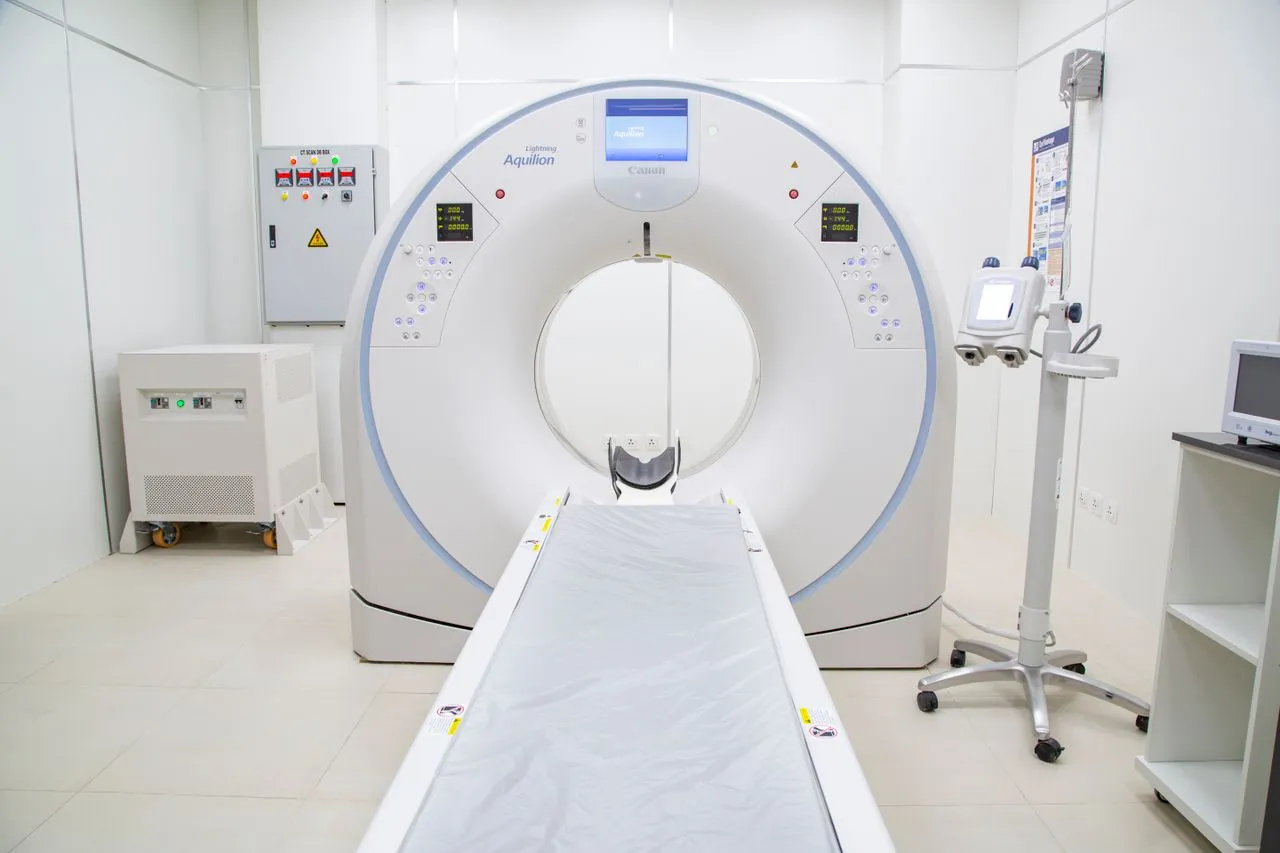
Under the collaboration, traditional diagnostic imaging modalities, including magnetic resonance imaging (MRI), computed tomography (CT) and ultrasound, can be considered alongside objective measurements of brain function generated through cfNI. While imaging can provide information about the physical structures of the body and identify abnormalities associated with an injury, VoxNeuro’s software is designed to provide an additional functional perspective based on electroencephalogram (EEG) data.
The companies believe that bringing the two approaches together could provide clinicians with a broader set of information when evaluating patients following accidents or traumatic events.
Traumatic injuries can present physicians with complex diagnostic challenges. A patient may experience symptoms following a motor vehicle collision or workplace incident, while conventional imaging may not capture every aspect of the patient’s condition.
DICOT and VoxNeuro are positioning their collaboration around the complementary nature of the technologies.
MRI, CT and ultrasound are established imaging tools used to visualize anatomical structures and identify structural abnormalities. VoxNeuro’s cfNI software, by contrast, is designed to analyze brain activity and provide objective measurements related to neurophysiological responses.
The companies say that combining these perspectives may give qualified physicians additional information to consider alongside symptoms, medical history and other clinical findings.
For patients recovering from traumatic events, this distinction can be particularly relevant when symptoms involve cognitive or neurological functions. A structural image and a functional measurement address different aspects of patient evaluation and therefore may provide complementary information rather than serving as substitutes for one another.
“Structural imaging tells physicians what an injury looks like; cfNI gives them an additional, objective data point on how the brain is functioning,” said Bryan Scott, CEO of Diagnostic Imaging Centers of Texas. “Put together with the imaging and pain management services we already provide, it’s a more complete picture for the physicians, attorneys, and patients who count on us every day.”
VoxNeuro’s Cognitive Function Neuroimaging software is designed to provide a digital, post-hoc statistical analysis of a patient’s electroencephalogram, or EEG, during a single in-office visit.
EEG records electrical activity generated by the brain. Within the EEG data, researchers and clinicians can examine event-related potentials (ERPs), which are time-locked changes in electrical activity associated with sensory or cognitive events.
ERPs have been used for decades in cognitive neuroscience research to investigate brain functions such as attention, memory, impulse control and executive control. VoxNeuro’s cfNI platform is designed to measure and score ERP responses generated in response to standardized task stimuli.
The resulting data provide clinicians with a quantifiable measurement of neurophysiological responses that can be considered alongside other clinical information.
Importantly, cfNI is not intended to independently diagnose a patient. Instead, the technology provides objective data that a qualified physician can interpret within the broader context of a patient’s symptoms, medical history and diagnostic findings.
The companies emphasize that cfNI does not provide a diagnosis and does not replace physician judgment. Rather, its intended role is to equip clinicians with an additional source of quantitative information when evaluating patients.
This distinction is central to the collaboration because the technology is being integrated into an existing diagnostic and patient-care environment rather than positioned as a replacement for conventional clinical evaluation.
The collaboration is particularly focused on patients recovering from motor vehicle collisions, workplace injuries and other traumatic events.
According to information provided by DICOT, more than 250,000 Texans were injured in motor vehicle traffic crashes in 2024, citing data from the Texas Department of Transportation. The scale of motor vehicle injuries in Texas highlights the potential demand for comprehensive post-accident evaluation across communities.
Head and neck trauma can be difficult to fully characterize, particularly during the initial period following an accident. Patients may report symptoms that require continued evaluation as their recovery progresses, while physicians must consider information from multiple sources when determining appropriate care.
DICOT says the expanded collaboration creates an opportunity to integrate functional brain assessment into a platform that already provides structural imaging and pain management services.
For physicians, neurologists and nurse practitioners involved in evaluating patients after accidents, the availability of additional objective information may provide another data point to consider as part of a broader clinical assessment.
The companies also note that attorneys representing patients may encounter cases in which medical documentation plays an important role in understanding the effects of an injury. Under the collaboration, cfNI can be accessed within the DICOT network, potentially reducing the need for patients to travel elsewhere for a separate functional assessment.
The companies’ description of the collaboration does not suggest that cfNI replaces imaging or clinical examination. Instead, the approach is based on combining different types of information to help clinicians develop a more comprehensive understanding of an individual patient’s condition.
DICOT operates as an independent diagnostic imaging and pain management platform serving Southeast Texas. Through its Memorial MRI & Diagnostic and Foundation Physicians Group brands, the organization provides imaging and patient-care services within the region.
The expanded relationship with VoxNeuro brings cfNI into that existing healthcare infrastructure.
This geographic and clinical integration is an important element of the collaboration. Rather than treating functional brain assessment as an isolated service, the companies are seeking to make it part of a broader diagnostic pathway for patients recovering from traumatic injuries.
For patients, this could mean that information from structural imaging and functional brain testing can be incorporated into the same overall clinical discussion.
The approach also reflects a broader movement in healthcare toward combining different sources of objective data rather than relying on a single diagnostic modality. Structural imaging, physiological measurements, patient-reported symptoms and medical history can each provide different information about an individual’s health.
In the context of traumatic injury, the companies believe that integrating these perspectives may help clinicians better characterize patients whose symptoms extend beyond what conventional imaging alone can demonstrate.
A central component of VoxNeuro’s technology is the use of EEG-derived ERP data to quantify aspects of brain function.
During an EEG assessment, electrical signals generated by brain activity are recorded from the scalp. When standardized sensory or cognitive stimuli are presented, the brain produces measurable changes in electrical activity. These responses can be analyzed according to their timing and characteristics.
VoxNeuro’s cfNI software is designed to conduct a statistical analysis of these responses after the EEG assessment. The platform then produces quantitative information that can be interpreted by a qualified physician.
The companies describe this as an objective measure of neurophysiological response. Such information may be particularly relevant in clinical situations in which physicians are evaluating cognitive or neurological symptoms following trauma.
At the same time, the companies stress that the software should be considered within the appropriate clinical context. A quantitative measurement does not independently establish a diagnosis, and the interpretation of results remains the responsibility of qualified healthcare professionals.
DICOT CEO Bryan Scott said the collaboration builds on services the organization already provides to patients throughout Southeast Texas.
“Southeast Texas is an important market we serve. Structural imaging tells physicians what an injury looks like; cfNI gives them an additional, objective data point on how the brain is functioning,” Scott said. “Put together with the imaging and pain management services we already provide, it’s a more complete picture for the physicians, attorneys, and patients who count on us every day.”
VoxNeuro CEO Jason Flowerday said the collaboration reflects the company’s goal of making objective brain-function information available to healthcare providers who routinely evaluate patients following traumatic events.
“DICOT sees, firsthand, how often head and neck trauma follows a motor vehicle collision or workplace injury, and how much can be missed when that evaluation stops at imaging alone,” Flowerday said. “Our mission is to give every brain a voice, and doing that means putting cfNI in the hands of providers who see the patients that need it most.”
The statements from both companies emphasize the complementary roles of their respective technologies. DICOT brings diagnostic imaging and patient-care capabilities, while VoxNeuro contributes software designed to quantify neurophysiological responses.
The expanded collaboration between Diagnostic Imaging Centers of Texas and VoxNeuro represents an effort to bring structural and functional information together within a single patient-care ecosystem.
For patients recovering from motor vehicle collisions, workplace incidents and other traumatic injuries, clinical evaluation can involve multiple stages and sources of information. Imaging may help physicians understand anatomical injury, while symptoms, medical history and physical examinations contribute additional clinical context.
VoxNeuro’s cfNI technology adds another category of information by analyzing EEG-derived event-related potentials and providing quantitative measurements of brain responses to standardized stimuli.
The technology is not presented as a standalone diagnostic solution. Instead, its role is to provide objective information that qualified clinicians can interpret alongside existing diagnostic and clinical evidence.
As DICOT expands access to cfNI through its Southeast Texas network, the collaboration could provide physicians with an additional tool when evaluating patients whose post-traumatic symptoms may require a broader assessment of brain function.
The initiative also reflects growing interest in integrating different diagnostic approaches to create a more comprehensive view of individual patients. By combining established structural imaging technologies with software-based analysis of brain function, DICOT and VoxNeuro are seeking to address different dimensions of traumatic injury within the same care pathway.
For a region affected by a substantial number of motor vehicle injuries and workplace incidents, the companies say the collaboration is intended to make objective functional brain data more accessible to the healthcare professionals evaluating these patients while maintaining physician interpretation and clinical judgment at the center of care.
About Diagnostic Imaging Centers of Texas
Diagnostic Imaging Centers of Texas, through its family of brands, has led the way for more than 20 years in providing comprehensive diagnostic imaging and pain management services using advanced technology and state-of-the-art equipment. The company lends its success to its physicians, management, technologists, and support staff making up our premier practice. The Company has outpatient facilities in the Houston and Dallas Metroplexes, Corpus Christi, and Beaumont, Texas. Its family of brands are Memorial MRI & Diagnostic, Prime Diagnostic Imaging, Desert Imaging and Foundation Physicians Group.
https://memorialdiagnostic.com/
https://primemri.com/
https://dielp.com/
https://foundationphysiciansgroup.com/
About VoxNeuro Inc.
VoxNeuro Inc. is a brain health technology company focused on objective neurophysiological assessment through EEG and ERP analysis. The Company’s FDA-cleared Cognitive Function Neuroimaging (cfNI) software is designed to generate standardized EEG and ERP measures that support clinician assessment through neurophysiological data and automated reporting.