


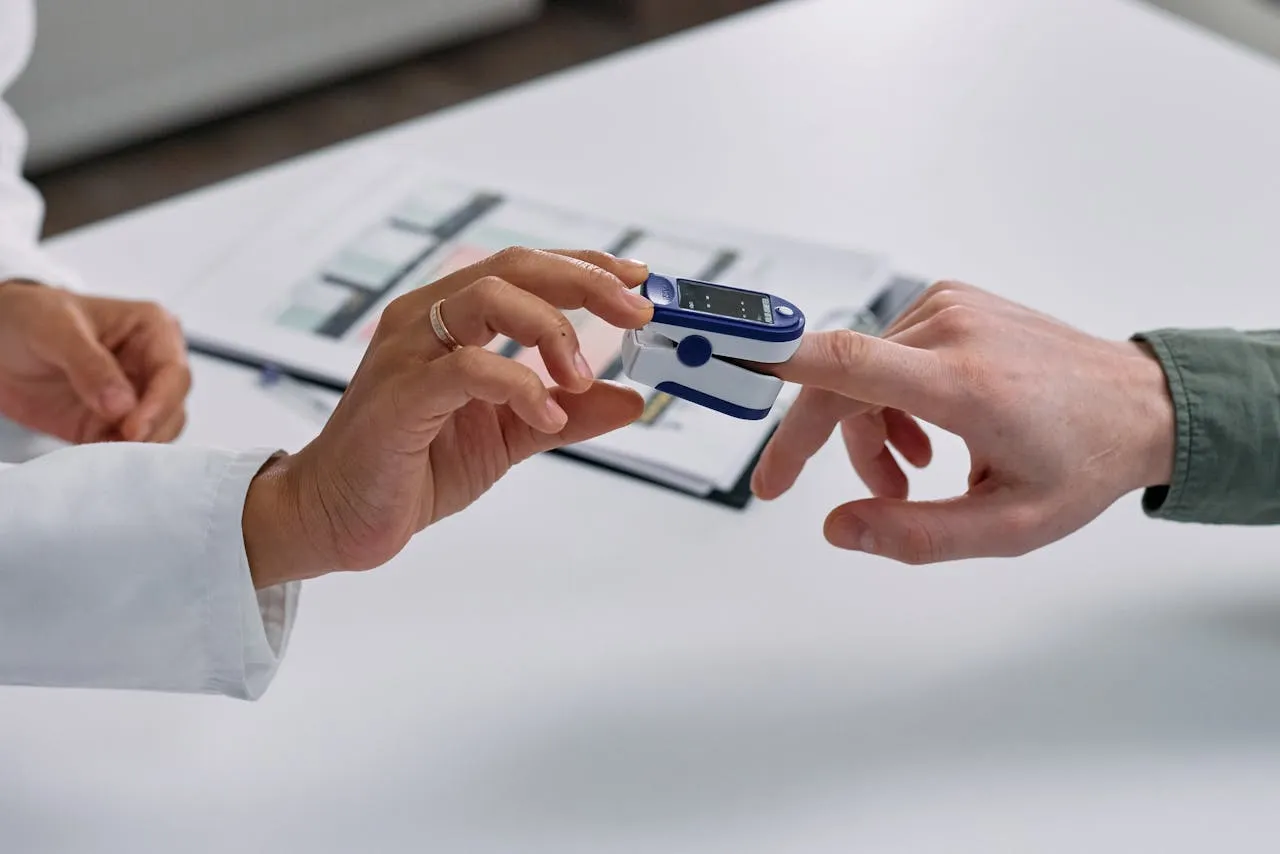
Masimo has announced new clinical findings that reinforce the accuracy and reliability of its SET® pulse oximetry technology in one of the most vulnerable patient populations—critically ill newborns. The results come from the Neonatal Pulse Oximetry Accuracy and Disparities by Skin Pigmentation (NeoPODS) study, a rigorously designed investigation that evaluated device performance across a diverse group of neonatal intensive care unit (NICU) patients. The study demonstrated less than 1% overall statistical bias between noninvasive oxygen saturation readings and direct arterial measurements, while also showing no clinically meaningful discrepancies related to skin pigmentation.
The NeoPODS findings were formally presented at the Pediatric Academic Societies Meeting in Boston, Massachusetts, and simultaneously published in the The Journal of Pediatrics. The research was led by Dr. Heather Siefkes and conducted in collaboration with teams from University of California, Davis and University of Mississippi. Importantly, the study was supported by funding from the National Institutes of Health, underscoring the scientific rigor and independence of the investigation.
At its core, the NeoPODS study sought to address a growing concern in clinical medicine: whether pulse oximetry devices may produce biased results based on a patient’s skin tone. Pulse oximeters are widely used to estimate blood oxygen saturation (SpO2) noninvasively, but some prior research has suggested that these devices can overestimate oxygen levels—particularly in patients with darker skin—potentially leading to a dangerous condition known as occult hypoxemia. This occurs when arterial oxygen saturation (SaO2) is low despite apparently normal readings from the pulse oximeter, potentially delaying critical interventions.
Recognizing the high stakes involved in neonatal care, where oxygen levels directly influence treatment decisions, the NeoPODS investigators designed a prospective study with stringent methodological standards. Unlike many earlier studies, which often relied on subjective or imprecise measures of skin tone, this research incorporated objective, quantitative approaches to assess pigmentation. Techniques such as melanin index measurement and individual typology angle (ITA) classification were used, aligning with recommendations from the U.S. Food and Drug Administration for evaluating pulse oximeter performance across diverse populations.
The study enrolled newborn patients between July 2022 and July 2025 at two tertiary NICUs. Eligible participants were hospitalized infants up to ten days old, born at or beyond 26 weeks of gestation, and requiring arterial catheterization for clinical care. This ensured that researchers could obtain accurate, direct measurements of arterial oxygen saturation through blood gas analysis. In total, 100 newborns were initially enrolled, with 70 patients contributing 136 paired SpO2-SaO2 data points that met the strict technical criteria for analysis.
To ensure consistency, all patients were monitored using the same equipment, including Masimo RD SET® Neo sensors connected to Radical-7® Pulse CO-Oximeters® and Root® monitoring platforms. Continuous SpO2 data was recorded before, during, and after arterial blood sampling. Each arterial blood gas (ABG) measurement was then paired with the average SpO2 value recorded in the 30 seconds leading up to the blood draw. This time-synchronized approach minimized variability and allowed for precise comparison between noninvasive and invasive measurements.
The patient population reflected a diverse range of clinical and demographic characteristics. The median gestational age was 28.4 weeks, and the median birth weight was 1085 grams, placing many of the infants in the very low birth weight category. Based on parent-reported data, 40% of the patients were Black and 23% were Hispanic. Objective assessments confirmed that the cohort spanned a wide spectrum of skin pigmentation, covering the full range of ITA classifications and most categories within established dermatological scales.
The results of the study were highly encouraging. The overall mean bias between SpO2 and SaO2 measurements was -0.98%, with a standard deviation of 2.80% and a 95% confidence interval ranging from -1.45% to -0.52%. This indicates that, on average, the pulse oximeter slightly underestimated arterial oxygen saturation rather than overestimating it. From a clinical perspective, this level of bias is considered negligible and unlikely to impact patient care decisions.
Equally important was the finding that there were no clinically meaningful differences in measurement accuracy across different skin tones. Whether analyzed using objective pigmentation metrics or parent-reported race, the data showed consistent performance of the device. In fact, the study identified only a single instance of occult hypoxemia, and this occurred in a patient with the lightest skin tone classification. Notably, there were zero cases of occult hypoxemia among Black or Hispanic infants, addressing a key concern raised in previous research.
Further analysis explored whether subtle variations in bias might correlate with pigmentation levels. While some minor trends were observed—such as slightly less negative bias with lighter skin tones—these differences were not statistically or clinically significant. Across multiple classification methods, including ITA, melanin index, Fitzpatrick scale, and Massey-Martin scale, the results consistently demonstrated equitable performance of the device.
The authors of the study emphasized the novelty and importance of their approach. By combining prospective data collection, objective pigmentation measurement, and tightly paired oxygen saturation readings, the NeoPODS study provides one of the most robust evaluations of pulse oximetry accuracy in newborns to date. Their conclusion highlighted the absence of clinically meaningful pigmentation-related bias and offered reassurance regarding the equitable use of this technology in NICU settings.
Dr. Heather Siefkes, the study’s principal investigator, noted that the findings underscore the importance of ongoing evaluation of medical devices across different patient populations. She explained that while the overall performance of the pulse oximeter was strong, continuous research is needed to ensure accuracy across varying ages, disease states, and clinical environments. She also pointed out that the observed tendency for slight overestimation at lower oxygen levels was not influenced by skin pigmentation, further supporting the reliability of the device.
From an industry perspective, Masimo views the NeoPODS results as a validation of its technology and a continuation of a broader body of evidence supporting SET® pulse oximetry. Daniel Cantillon, Chief Medical Officer at Masimo, highlighted that concerns about occult hypoxemia—particularly in patients with darker skin—were a driving force behind the study. He expressed encouragement that the results demonstrated less than 1% bias and no occult hypoxemic events among Black or Hispanic infants, even under challenging clinical conditions.
These findings are consistent with results from the INSPIRE feasibility study, which evaluated the performance of the same technology in critically ill adult patients in intensive care units. That study similarly reported accurate readings across all skin tones and no instances of occult hypoxemia. A larger, full-scale INSPIRE study involving approximately 500 adult patients is expected to be published later, potentially providing further evidence of the technology’s robustness.
In a broader context, the NeoPODS study contributes to an ongoing conversation about equity in healthcare technology. As medical devices become increasingly central to patient monitoring and decision-making, ensuring their accuracy across diverse populations is essential. Studies like NeoPODS not only address these concerns but also set a higher standard for future research, emphasizing the need for rigorous methodology and inclusive study design.
In conclusion, the NeoPODS study represents a significant advancement in the evaluation of pulse oximetry performance in neonates. By demonstrating high accuracy, minimal bias, and consistent performance across skin tones, the research provides valuable reassurance for clinicians caring for critically ill newborns. For Masimo, the findings reinforce its position as a leader in patient monitoring technology, while also highlighting the importance of continued innovation and validation in the pursuit of equitable healthcare outcomes.
About The Fields
Masimo (NASDAQ: MASI) is a global medical technology company that develops and produces a wide array of industry-leading monitoring technologies, including innovative measurements, sensors, patient monitors, and automation and connectivity solutions. Our mission is for our innovations to empower clinicians to transform patient care.
Masimo SET® Measure-through Motion and Low Perfusion™ pulse oximetry, introduced in 1995, has been shown to outperform other pulse oximetry technologies in over 100 independent and objective studies, which can be found at www.masimo.com/evidence/featured-studies/feature. Masimo SET® is estimated to be used on more than 200 million patients around the world each year and is the primary pulse oximetry at all 10 top U.S. hospitals as ranked in the 2026 Newsweek World’s Best Hospitals listing. Additional information about Masimo and its products may be found at www.masimo.com.
Source Link:https://www.businesswire.com/