


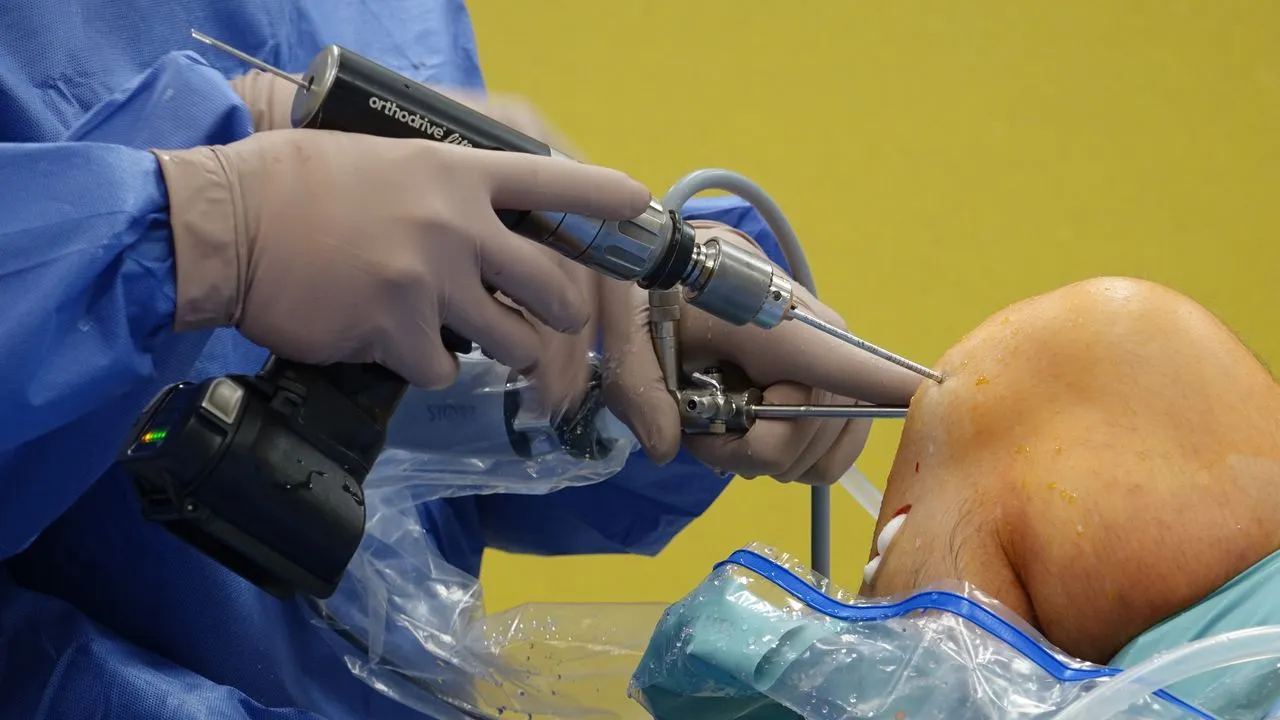
MEDIPOST Inc., a biotechnology company specializing in the development of allogeneic, umbilical cord blood-derived stem cell therapies for inflammation-driven degenerative diseases, has announced the treatment of the first U.S. participant in its pivotal Phase III clinical trial evaluating an investigational mesenchymal stem cell (MSC) therapy for adults with symptomatic cartilage defects caused by knee osteoarthritis.
The milestone represents a major advancement in the company’s efforts to introduce a regenerative medicine therapy to the U.S. market for one of the world’s most common musculoskeletal disorders. The first study participant received treatment at Orthopedic Centers of Colorado, where the procedure was performed by orthopedic surgeon Dr. Justin Newman.
The Phase III study serves as MEDIPOST’s final clinical evaluation before pursuing regulatory approval in the United States. Importantly, the U.S. Food and Drug Administration (FDA) has agreed that the results from this single pivotal trial, when combined with previously completed Phase III studies conducted in South Korea and Japan, as well as supportive real-world clinical evidence from Korea, may provide sufficient evidence to support the company’s planned Biologics License Application (BLA) submission.
This regulatory pathway significantly strengthens MEDIPOST’s development program and reflects growing confidence in the therapy’s existing clinical evidence.
Knee osteoarthritis remains one of the leading causes of chronic pain and disability worldwide. The progressive disease gradually damages the cartilage that cushions the knee joint, resulting in pain, stiffness, inflammation, reduced mobility, and declining quality of life.
While numerous treatments are available to manage symptoms—including pain medications, corticosteroid injections, physical therapy, and lifestyle modifications—few therapies directly address cartilage degeneration itself.
As the disease advances, many patients ultimately require total knee replacement surgery, particularly when conservative treatments are no longer effective.
MEDIPOST’s investigational MSC therapy has been developed to fill this significant treatment gap by leveraging the regenerative capabilities of mesenchymal stem cells derived from donated umbilical cord blood.
Rather than simply reducing symptoms, the therapy is designed to promote cartilage repair while potentially modifying the underlying disease process responsible for joint deterioration.
If successful, the treatment could represent one of the first regenerative cell therapies approved for adults with knee osteoarthritis in the United States.
The investigational treatment utilizes allogeneic mesenchymal stem cells, meaning the cells originate from healthy donor umbilical cord blood rather than the patient’s own tissue.
Umbilical cord blood-derived MSCs possess several biological characteristics that make them attractive candidates for regenerative medicine.
These cells have demonstrated anti-inflammatory properties, immunomodulatory effects, and the ability to support tissue repair by releasing signaling molecules that encourage healing and regeneration.
Because the therapy uses donor-derived cells that are manufactured in advance, it may eventually offer practical advantages over autologous approaches that require harvesting cells directly from individual patients before treatment.
MEDIPOST has focused its research on developing standardized stem cell products capable of consistent manufacturing while maintaining high quality and reproducibility across patient populations.
One of the most significant aspects of MEDIPOST’s announcement is the FDA’s agreement regarding the clinical development pathway.
According to the company, the agency has indicated that this single U.S. Phase III trial, supported by substantial evidence already generated through international clinical studies and real-world patient outcomes, could serve as the primary basis for a future Biologics License Application.
This approach reflects the extensive body of evidence already accumulated during the therapy’s development.
Previous Phase III clinical trials completed in South Korea and Japan demonstrated encouraging findings regarding the investigational treatment, while post-market real-world evidence collected in Korea provides additional support for its clinical performance.
Together, these datasets may reduce the need for multiple large-scale U.S. confirmatory studies while still satisfying regulatory expectations for safety and efficacy.
Knee osteoarthritis affects more than 32 million adults, making it one of the most prevalent chronic orthopedic conditions.
The disease imposes substantial physical, emotional, and economic burdens on patients, healthcare systems, and society.
Individuals living with knee osteoarthritis often experience:
Although joint replacement surgery remains highly effective for many patients with advanced disease, physicians continue searching for therapies capable of delaying—or potentially preventing—the need for invasive surgical intervention.
Regenerative medicine has emerged as one of the most promising areas of research toward achieving this goal.
The ongoing Phase III clinical trial is actively enrolling adults between 18 and 75 years of age who have symptomatic knee cartilage lesions associated with osteoarthritis.
Researchers will evaluate whether treatment with the investigational MSC therapy can improve clinical outcomes in comparison with existing standards of care.
The study is specifically designed to assess the therapy’s efficacy in reducing symptoms while promoting meaningful improvements in cartilage-related knee function.
Participants enrolled in the study will undergo comprehensive clinical evaluations that examine multiple aspects of treatment response, including pain relief, physical function, mobility, and overall joint health.
Adults interested in participating are encouraged to consult ClinicalTrials.gov or discuss eligibility with their healthcare providers.
Orthopedic specialists involved in the trial believe the study addresses one of the most important unmet needs in sports medicine and orthopedic care.
Dr. Brian Cole, Head of the Cartilage Research and Restoration Center at Rush University Medical Center, described treatment of the first U.S. participant as a significant milestone for regenerative medicine.
He noted that patients with knee osteoarthritis currently face a considerable treatment gap between conservative symptom management and total knee replacement surgery.
While non-surgical therapies may temporarily relieve symptoms, they generally do not restore damaged cartilage or halt disease progression.
According to Dr. Cole, this investigational MSC therapy offers researchers the opportunity to determine whether regenerative medicine can provide a therapeutic option capable of addressing the underlying cartilage damage rather than simply alleviating pain.
The current Phase III trial follows several years of clinical development supported by earlier research.
Previous clinical studies generated important safety and efficacy data that informed the design of the current pivotal trial.
Dr. Andreas Gomoll, an attending orthopedic surgeon at the Hospital for Special Surgery (HSS) in New York, emphasized that earlier investigations provided critical information that helped optimize the present study.
The current Phase III trial has been specifically designed to generate definitive evidence regarding the effectiveness of mesenchymal stem cell therapy in adults with knee osteoarthritis.
Successful completion of the study could provide the robust clinical data needed to support regulatory review while expanding treatment options for patients whose disease has progressed despite conventional management.
The treatment of the first participant represents more than the initiation of patient enrollment—it marks the beginning of the trial’s active evaluation phase.
The procedure was successfully performed by Dr. Justin Newman at Orthopedic Centers of Colorado, one of the participating clinical research sites.
Dr. Newman highlighted the significance of the milestone, noting that patients with cartilage defects frequently experience persistent pain and functional limitations that significantly affect daily life.
He expressed optimism that the study will generate valuable insights into how regenerative stem cell therapy may influence outcomes for adults living with knee osteoarthritis.
As additional participants are enrolled and treated, investigators will closely monitor both safety and therapeutic effectiveness throughout the study period.
MEDIPOST has established itself as a leader in developing allogeneic stem cell therapies for inflammation-associated degenerative diseases.
The company’s broader research portfolio focuses on applying umbilical cord blood-derived mesenchymal stem cells across multiple therapeutic areas where tissue degeneration and chronic inflammation contribute to disease progression.
The current Phase III osteoarthritis program represents one of the company’s most advanced development initiatives and has the potential to become an important milestone for regenerative orthopedic medicine.
If approved, the investigational therapy could introduce an entirely new category of treatment positioned between conservative medical management and joint replacement surgery.
Rather than replacing damaged joints, regenerative therapies aim to preserve native tissue, promote cartilage repair, and potentially slow disease progression, offering patients an opportunity to maintain joint function for longer periods.
With the first U.S. participant now successfully treated, MEDIPOST enters a pivotal stage in its clinical development program.
Enrollment of additional participants across clinical sites will continue as researchers work to generate the comprehensive efficacy and safety data required for regulatory review.
Supported by encouraging international clinical evidence, real-world experience, and the FDA’s agreement regarding its streamlined development strategy, MEDIPOST is advancing toward its goal of bringing an innovative regenerative medicine therapy to patients suffering from knee osteoarthritis.
Should the Phase III trial achieve its objectives, the investigational MSC therapy could become one of the first FDA-approved allogeneic stem cell treatments designed to repair damaged cartilage in adults with knee osteoarthritis, potentially transforming the treatment landscape for millions of patients seeking alternatives to chronic symptom management and total knee replacement surgery.
ABOUT MEDIPOST Inc.
MEDIPOST Inc. is a biotechnology company developing allogeneic, umbilical cord blood-derived stem cell therapies for inflammation-driven and degenerative diseases. The company is advancing a pipeline of regenerative medicine built on its proprietary stem cell technology platform with a focus on scalable, off-the-shelf therapeutic approaches. Learn more at www.medi-post.com.
ABOUT MEDIPOST
Founded in 2000, MEDIPOST is a global cell therapy company whose integrated capabilities span discovery research, clinical development of allogeneic cell therapy assets, cord blood banking and contract development and manufacturing (CDMO). In 2012 the company commercialized CARTISTEM® in South Korea, the world’s first approved allogeneic human umbilical cord blood-derived mesenchymal stem cell (hUCB-MSC) therapy for knee osteoarthritis. More than 36,000 patients have received CARTISTEM® in South Korea since its launch.