


Pearl Diagnostics, also known as PearlDX, has announced the publication of new clinical studies supporting the U.S. Food and Drug Administration (FDA) 510(k) clearance of its MycoMEIA® Aspergillus Assay, a non-invasive urine-based diagnostic test designed to aid in the diagnosis of invasive aspergillosis (IA). The findings have been published in the peer-reviewed journal Clinical Infectious Diseases, adding to the growing body of evidence behind the company’s approach to detecting serious fungal infections through urine testing.
Invasive aspergillosis is a potentially life-threatening fungal infection that primarily affects people whose immune systems are weakened, including patients undergoing treatment for certain cancers, recipients of hematopoietic stem cell or solid-organ transplants, and other individuals with significant immune compromise. Diagnosing the infection can be challenging because symptoms may be nonspecific and conventional diagnostic approaches can require invasive procedures or may not detect disease with sufficient sensitivity.
PearlDX’s MycoMEIA Aspergillus Assay is intended to provide clinicians with diagnostic information from a urine specimen, offering a non-invasive alternative that could complement existing approaches to evaluating patients for IA.
The newly published article, titled “Performance of the Urinary MycoMEIA Aspergillus Assay as an Aid to Diagnose Invasive Aspergillosis,” describes clinical research evaluating the performance of the assay in patients with proven or probable IA and control participants. The case-control study included 50 patients with IA and 240 controls.
According to the study, MycoMEIA generated at least one positive result in 46 of the 50 patients with invasive aspergillosis. This corresponded to a 92% sensitivity, meaning the assay identified the infection in a large majority of patients included in the IA group.
The study reported a specificity of 87.6% across 249 control urine samples, providing additional evidence regarding the assay’s ability to distinguish patients with invasive aspergillosis from individuals in the control population.
These findings are particularly relevant because early and reliable identification of invasive fungal infections can be difficult in immunocompromised patients. Delays in diagnosis can complicate treatment decisions, while uncertainty about infection status can make it challenging for clinicians to determine when antifungal therapy should be initiated or adjusted.
One of the notable findings from the publication involved patients whose infections had been established through lung sampling or biopsy but who had negative serum galactomannan results.
Among 24 patients in this subgroup, 19 had at least one positive MycoMEIA result. The finding suggests that urine-based testing could provide additional diagnostic information in cases where a commonly used blood-based biomarker does not identify the infection.
Serum galactomannan testing is among the established tools used in the diagnostic evaluation of invasive aspergillosis, but its performance can vary depending on the patient population and clinical circumstances. A complementary diagnostic approach that uses a different specimen type could therefore provide additional information when conventional testing is inconclusive.
Kieren Marr, M.D., MBA, founder of PearlDX and a co-author of the publication, highlighted the challenge clinicians face when attempting to exclude invasive aspergillosis.
“Invasive aspergillosis can be difficult to confirm, and our current commercial blood-based assay doesn’t have high enough sensitivity to rule out infection,” Marr said. “The high sensitivity of urine testing adds to our current diagnostic options, enabling more clinical certainty with non-invasive testing.”
The findings do not position MycoMEIA as a replacement for every existing diagnostic method. Instead, the company’s development strategy centers on expanding clinicians’ options by providing diagnostic information through a specimen that can be collected without invasive procedures.
The newly published research also included a prospective study designed to evaluate performance using fresh urine samples. In that study, samples were tested within six hours of collection in a laboratory at Johns Hopkins.
The researchers found that specificity using fresh urine samples was comparable to the specificity observed with previously frozen samples. The study also demonstrated high reproducibility across three laboratories.
These findings are important from a laboratory implementation perspective because diagnostic performance needs to remain consistent across different testing conditions and sites. Demonstrating reproducibility across laboratories can provide additional support for the assay’s potential use in clinical laboratory workflows.
The ability to work with freshly collected urine also reinforces one of the central advantages of the MycoMEIA approach: the use of a readily accessible, non-invasive specimen.
PearlDX said the publication provides clinicians with a more comprehensive view of the evidence supporting MycoMEIA and its potential role in the diagnosis of invasive aspergillosis.
“Publication of these studies gives clinicians a fuller view of the evidence supporting MycoMEIA and its role as a non-invasive aid to diagnose invasive aspergillosis,” said Eric Gornstein, Chief Executive Officer of PearlDX. “It is an important step toward our broader goal of making serious lung infections easier to identify through non-invasive testing. We are building on decades of research to turn discoveries about microbial extracellular vesicles into practical tools for clinicians.”
The MycoMEIA Aspergillus Assay is described by PearlDX as the first urine-based test to receive FDA clearance as an aid to diagnose invasive aspergillosis.
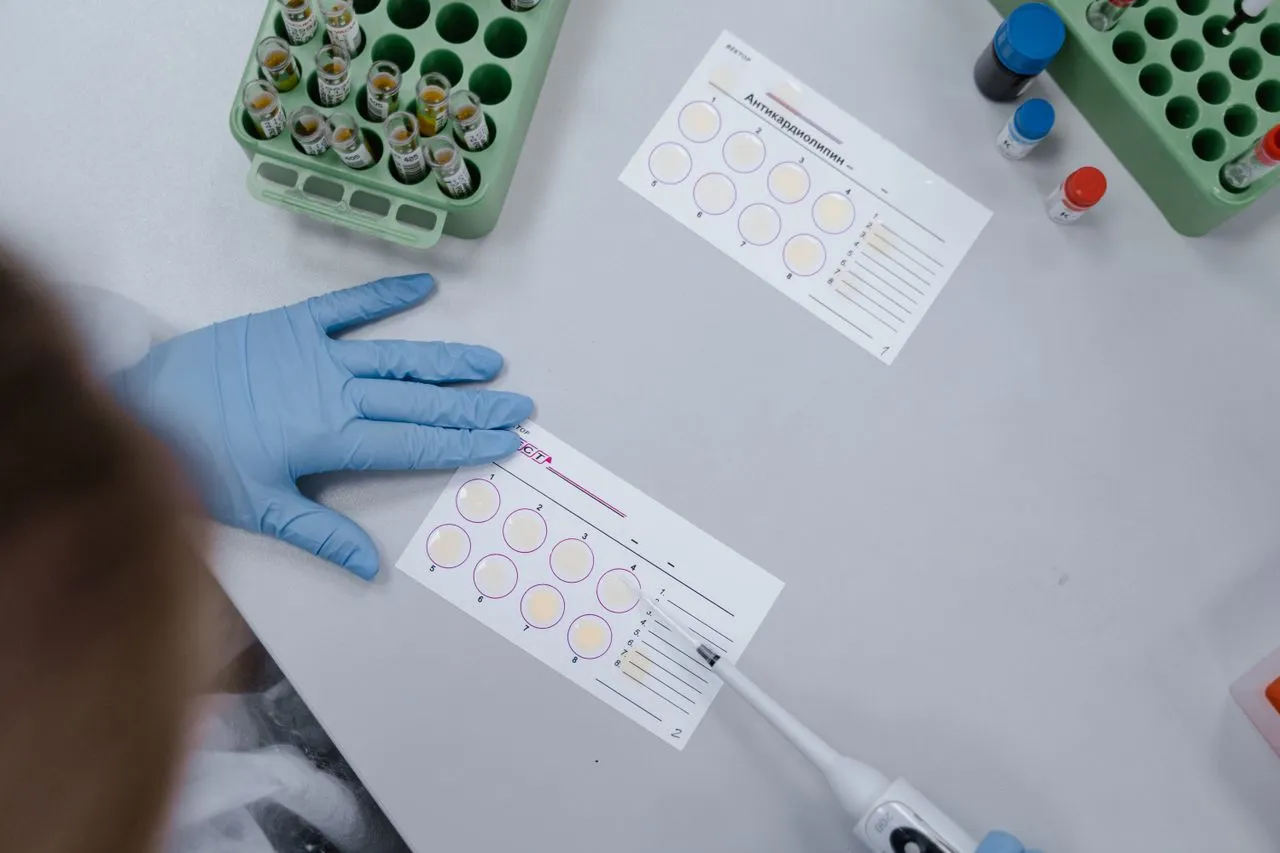
The assay uses a microplate-based enzyme-linked immunoassay (ELISA) format. Rather than requiring an invasive specimen, the test analyzes urine for biological signals associated with Aspergillus infection.
The approach is intended to provide clinicians with rapid diagnostic information while reducing the need to rely exclusively on more invasive specimen collection methods.
For patients who are already medically fragile, the ability to obtain potentially useful diagnostic information from urine may be particularly valuable. Lung sampling, biopsy and other invasive diagnostic procedures can carry additional risks and may not always be feasible depending on a patient’s condition.
PearlDX has supported the development of MycoMEIA through clinical validation work conducted at U.S. and European centers. The company says these studies support the assay’s potential to contribute to earlier detection and assist clinicians as they make decisions about antifungal treatment.
The assay is also CE-marked, expanding its regulatory presence beyond the United States.
The Clinical Infectious Diseases publication builds on earlier research published by PearlDX researchers in August 2026 in the Journal of Infectious Diseases. That study examined the biological foundation underlying the MycoMEIA Aspergillus Assay.
The earlier research described how the assay detects fungal antigens associated with Aspergillus extracellular vesicles in urine. Extracellular vesicles are biological structures released by cells and can carry molecular material that may provide information about biological processes occurring within the body.
PearlDX’s diagnostic strategy builds on research into microbial extracellular vesicles and their potential role as detectable markers of infection.
The August publication also found that combining two antibodies improved detection across patient samples. This research provided a biological basis for the assay and helped establish the scientific rationale for using urine as a source of biomarkers associated with invasive aspergillosis.
The progression from fundamental research into extracellular vesicles to clinical validation and regulatory clearance illustrates PearlDX’s broader approach to diagnostic development. The company is seeking to translate biological discoveries into practical testing technologies that can be used in clinical settings.
Invasive aspergillosis remains a major concern among patients with compromised immune systems. Because symptoms may overlap with other infections or inflammatory conditions, clinicians often need to integrate clinical presentation, imaging, laboratory testing and microbiological evidence when evaluating a suspected case.
The diagnostic challenge becomes more significant when patients cannot safely undergo invasive procedures or when available blood-based testing does not provide a definitive result.
MycoMEIA’s urine-based approach could therefore serve as a complementary tool within a broader diagnostic strategy. The recently published findings showing positive results among patients with negative serum galactomannan testing are particularly relevant to this potential role.
At the same time, the reported specificity of 87.6% means the assay is not a standalone diagnostic answer and must be interpreted within the appropriate clinical context. Its intended use is as an aid to diagnosis, rather than as an independent replacement for clinical assessment and other diagnostic methods.
The availability of an additional non-invasive testing option could nevertheless help clinicians gather more information when evaluating patients at risk for invasive fungal disease.
PearlDX will continue presenting clinical evidence for MycoMEIA at IDWeek 2026, where the company is scheduled to share additional data examining urine-based MycoMEIA alongside serum galactomannan testing.
The presentation is titled “Performance of Urine MycoMEIA – Aspergillus with Serum Galactomannan Testing as an Aid to Diagnose Invasive Aspergillosis.”
The poster is scheduled as P-678 and will be presented on Thursday, October 22, 2026, from 12:15 to 1:30 p.m. ET at the Walter E. Washington Convention Center, Poster Hall B-C.
The upcoming presentation will provide another opportunity for clinicians, researchers and infectious disease specialists to review clinical data supporting the urine-based diagnostic approach and its potential relationship with existing testing methods.
The latest publication represents another milestone in PearlDX’s effort to develop non-invasive diagnostic technologies for serious lung infections. By focusing on urine-based biomarkers and microbial extracellular vesicles, the company is pursuing an approach that could make diagnostic testing more accessible while reducing dependence on invasive specimen collection.
The clinical evidence supporting MycoMEIA includes the 92% sensitivity reported in the case-control study, the identification of positive results in a substantial proportion of patients with negative serum galactomannan testing, comparable specificity between fresh and previously frozen urine samples, and reproducibility across multiple laboratories.
Together, these findings add to the scientific and clinical foundation supporting the FDA-cleared assay.
For PearlDX, the development of MycoMEIA is also part of a broader goal of improving the diagnosis of serious infections through non-invasive testing. As the company continues to investigate microbial extracellular vesicles and other biomarkers, the approach could potentially support the development of additional diagnostic tools for difficult-to-diagnose infections.
With the new Clinical Infectious Diseases publication and the upcoming IDWeek 2026 presentation, PearlDX is continuing to build clinical awareness around MycoMEIA and the potential role of urine-based testing in invasive aspergillosis. The company’s work highlights the potential of non-invasive diagnostics to complement established laboratory methods and provide clinicians with additional information when evaluating vulnerable patients for serious fungal infections.
About Pearl Diagnostics
Pearl Diagnostics (PearlDX) is developing a new generation of non-invasive tests to help clinicians identify serious lung infections. Founded on technology developed at Johns Hopkins University, PearlDX builds on decades of research in infectious diseases and diagnostic development. Its platform uses proprietary Smart Antibody™ technology to recognize microbial extracellular vesicles, microscopic particles released by pathogens that can be detected in urine. PearlDX is applying this approach to develop diagnostics for fungal and bacterial infections. For more information, visit pearldx.com or follow us on LinkedIn.