


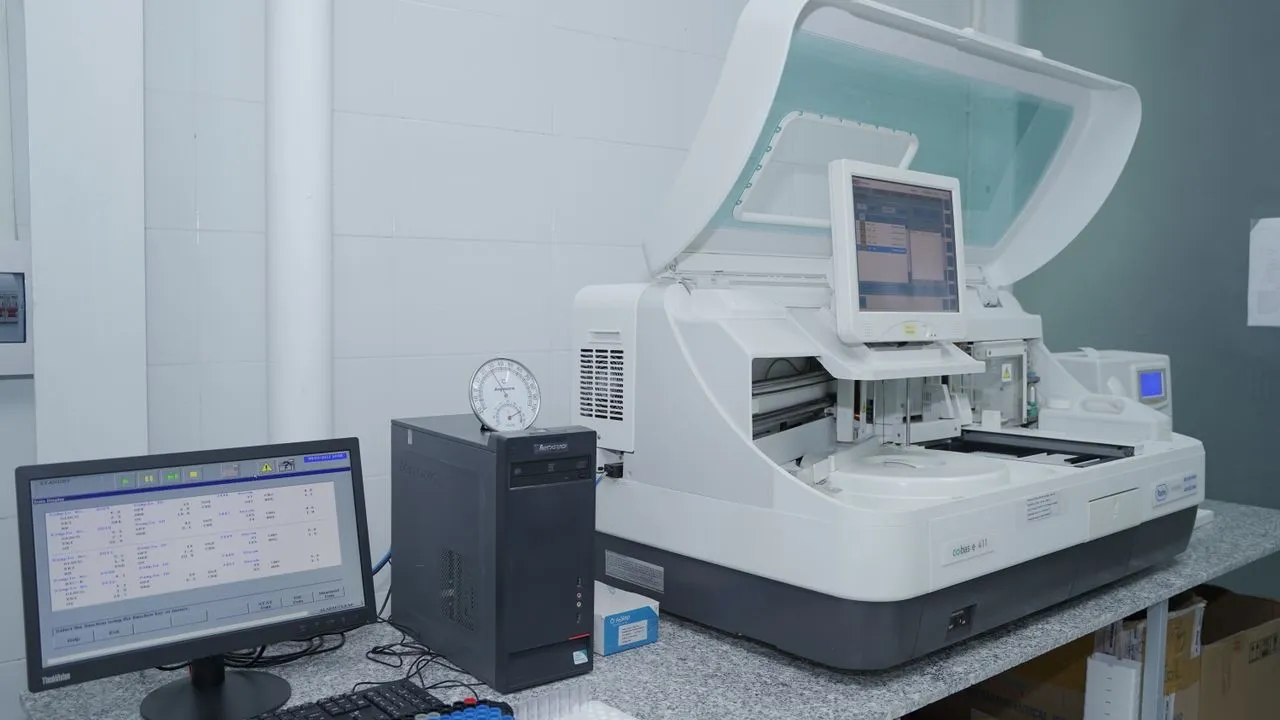
Roche has announced the commercial launch of AXELIOS 1, a next-generation sequencing platform powered by its innovative Sequencing by Expansion (SBX) technology. Designed to deliver an exceptional combination of accuracy, speed, flexibility, scalability, and cost efficiency, the new platform aims to address some of the most persistent challenges facing genomic research and has the potential to transform how researchers investigate complex diseases.
The introduction of AXELIOS 1 represents a significant milestone in Roche’s genomics strategy as the company expands its portfolio of advanced molecular technologies. By enabling faster and more cost-effective sequencing across a wide range of research applications, the platform is expected to help scientists generate deeper biological insights while supporting future advances in precision medicine and clinical research.
Genomic sequencing has become an essential tool for understanding the genetic basis of disease, discovering new therapeutic targets, and advancing personalized healthcare. However, many researchers continue to face limitations related to sequencing speed, throughput, operational flexibility, and overall cost.
AXELIOS 1 has been developed specifically to overcome these bottlenecks by combining several key performance attributes within a single platform. According to Roche, the system delivers high sequencing accuracy while significantly improving processing speed and operational efficiency, allowing laboratories to complete complex genomic projects more rapidly.
The company believes these capabilities could enable research applications that were previously impractical due to technological or financial constraints.
At the core of AXELIOS 1 is Roche’s proprietary Sequencing by Expansion (SBX) technology, an innovative sequencing approach designed to improve both performance and efficiency.
SBX technology combines high-quality sequencing data with rapid turnaround times while maintaining the flexibility needed to support diverse research workflows.
The technology has been engineered to provide reliable results across a broad spectrum of genomic studies, from targeted sequencing projects to large-scale population research.
By integrating these capabilities into a single instrument, Roche aims to simplify laboratory operations while expanding research opportunities for academic institutions, biotechnology companies, pharmaceutical organizations, and clinical research centers.
Roche believes AXELIOS 1 will empower researchers to make discoveries that improve understanding of disease biology across multiple therapeutic areas.
As genomic technologies continue to play a growing role in biomedical research, the ability to generate high-quality sequencing data more quickly may accelerate studies involving cancer, rare genetic diseases, infectious diseases, immunology, neuroscience, and many other fields.
Researchers are increasingly seeking technologies capable of processing large numbers of samples while maintaining high accuracy and reproducibility.
AXELIOS 1 has been designed to meet these evolving needs by providing a platform capable of supporting both current and future genomic research applications.
Matt Sause, Chief Executive Officer of Roche Diagnostics, described AXELIOS 1 as a disruptive advancement in sequencing technology.
He noted that the platform combines high accuracy with unprecedented speed, scalability, and cost efficiency, creating opportunities for researchers to pursue scientific applications that were previously difficult or impossible to perform.
According to Sause, these technological advances could significantly expand the capabilities of the global sequencing community while supporting new approaches to biomedical research.
He also emphasized that AXELIOS 1 has the potential to extend beyond research applications in the future, helping enable the next generation of clinical diagnostics and advancing personalized healthcare.
One of the defining features of AXELIOS 1 is its flexibility.
The platform has been designed to accommodate sequencing projects of varying sizes without requiring multiple specialized instruments.
Laboratories can use the same system for:
This scalable design enables research organizations to expand their sequencing capacity as project demands increase while maintaining consistent workflows.
The flexible sequencing run configuration also allows laboratories to optimize instrument utilization according to changing research priorities.
Roche has emphasized that AXELIOS 1 was developed with an open and adaptable workflow that provides researchers with greater flexibility when designing experiments.
Rather than limiting laboratories to predefined applications, the platform supports a wide variety of research approaches and emerging sequencing methodologies.
This openness is expected to facilitate innovation by allowing scientists to explore new experimental designs and investigate increasingly complex biological questions.
As genomic research continues evolving rapidly, adaptable platforms capable of integrating new analytical approaches are becoming increasingly valuable.
The launch of AXELIOS 1 is supported by collaborations with several internationally recognized research organizations that have evaluated the platform under real-world conditions.
Among these collaborators are:
According to Roche, studies conducted through these partnerships demonstrated that AXELIOS 1 delivers:
These independent evaluations provide early evidence supporting the platform’s ability to perform across demanding research environments while meeting the needs of leading genomic institutions.
In addition to collaborations focused on platform validation, Roche has established partnerships aimed at expanding the broader sequencing ecosystem surrounding AXELIOS 1.
One important collaboration involves 10x Genomics, supporting single-cell sequencing and spatial biology applications through compatible library preparation kits.
Single-cell analysis has become one of the fastest-growing areas of genomics, enabling researchers to study individual cell populations with unprecedented resolution.
Spatial biology further enhances these capabilities by allowing scientists to analyze gene expression while preserving tissue architecture.
Together, these technologies provide powerful tools for investigating disease mechanisms at both the cellular and tissue levels.
Effective genomic research depends not only on sequencing hardware but also on sophisticated computational analysis.
To support researchers, Roche has ensured compatibility between SBX technology and several widely used bioinformatics platforms.
These include:
Integration with established bioinformatics resources allows researchers to incorporate AXELIOS 1 into existing data analysis pipelines while benefiting from advanced variant-calling capabilities and flexible computational workflows.
Such compatibility reduces barriers to adoption and facilitates collaboration across research institutions.
The global sequencing market continues to expand rapidly as genomics becomes increasingly integrated into biomedical research, drug development, and healthcare.
According to Roche, the sequencing market is currently valued at approximately US$7.3 billion, with continued double-digit growth projected over the coming years.
Several factors are driving this expansion, including:
As demand for sequencing capacity increases worldwide, laboratories require technologies capable of delivering higher throughput while controlling operating costs.
AXELIOS 1 has been developed to address these evolving market needs.
Roche reported substantial interest in SBX technology following the release of early access data during the past year.
Researchers across the sequencing community have expressed enthusiasm regarding the platform’s ability to combine performance, scalability, and operational efficiency within a single integrated system.
The commercial launch of AXELIOS 1 now enables broader access to the technology, allowing more institutions to evaluate its capabilities across a diverse range of genomic applications.
As adoption expands, Roche expects continued collaboration with academic centers, healthcare organizations, biotechnology companies, and pharmaceutical researchers to further develop new applications for the platform.
The launch of AXELIOS 1 marks an important step in Roche’s efforts to advance next-generation sequencing technologies and accelerate genomic research worldwide. Powered by the company’s innovative Sequencing by Expansion (SBX) technology, the platform combines high accuracy, exceptional speed, flexible workflows, scalability, and cost efficiency to address longstanding challenges in genomics.
Supported by collaborations with leading research organizations and technology partners, AXELIOS 1 enters the market with demonstrated real-world performance and a growing ecosystem of analytical tools and applications. As genomic sequencing continues to play an increasingly central role in biomedical research and precision medicine, Roche believes the platform has the potential not only to transform scientific discovery today but also to lay the foundation for future clinical applications that advance personalized healthcare and improve patient outcomes.
About the AXELIOS 1 platform
AXELIOS 1 is Roche’s next‑generation single-molecule sequencing platform and the first powered by proprietary sequencing by expansion (SBX) technology. The platform converts DNA/RNA into high signal‑to‑noise ‘Xpandomers,’ which are measured by a sequencing instrument using a reusable complementary metal–oxide–semiconductor (CMOS) sensor containing millions of nanopores. This architecture enables accurate, ultra‑rapid, flexible and high‑throughput, single‑molecule sequencing with near real‑time analysis.
Fundamentally designed for flexibility and performance, the AXELIOS 1 platform can be used for smaller, faster batches or larger projects without changing systems or workflows, and it is capable of producing whole‑genome results the same day.
Roche will be offering library prep kits and a free open-source bioinformatics analysis suite (XOOS) tailored for SBX technology. In addition, the platform is built to allow for the flexible use of other life sciences tools, enabling high compatibility across a broad breadth of research applications.
Since the SBX technology was unveiled in early 2025, multiple research applications have been tested on the technology as proof of principle, including whole‑genome sequencing (WGS), RNA‑sequencing, single‑cell RNA, spatial, and methylation, among others. Early‑access users have also demonstrated practical research applications across oncology, genetics and infectious diseases, as well as garnering the world record for fastest DNA sequencing technique. AXELIOS 1 is for research use only. Not for use in diagnostic procedures.
About the sequencing by expansion (SBX) technology
The SBX technology is a novel sequencing approach which uses a sophisticated biochemical process to encode the sequence of a target nucleic acid molecule (DNA or RNA) into a measurable surrogate polymer called an “Xpandomer”. The Xpandomers, which are fifty times longer than the original molecule, encode the sequence information into high signal-to-noise reporters, meaning they provide clear signals with minimal background noise when threaded through a nanopore, thereby significantly improving the accuracy of single-molecule sequencing.
The SBX chemistry is coupled with a reusable, high-throughput CMOS sensor module and an advanced analysis module that enables ultra-rapid, near real-time base calls and analysis. This module is designed with a highly scalable and flexible architecture for cost-efficient sequencing across different project sizes, from small-scale studies to large projects involving thousands of samples. Workflows can also be adapted for various experimental needs, including reads of up to ~1500bp under appropriate sample and library prep conditions and ultra-fast processing from sample to Variant Calling Format (VCF).
This versatility makes the SBX technology suitable for a variety of applications, including but not limited to whole genome sequencing, whole exome sequencing, and RNA sequencing.
To find out more about Roche’s novel SBX technology, click here.
About Roche’s Sequencing Portfolio
Roche has been committed to providing next-generation sequencing library prep solutions and application support for research in sequencing for several years. Today, next-generation sequencing solutions from Roche play an important role in the sequencing ecosystem. Our KAPA sample preparation products offer high-performance DNA, RNA library prep and target enrichment solutions for a variety of applications.
Additionally, we offer the AVENIO Edge system that provides a true walk-away automated solution for many of our KAPA kits. This system does not require advanced programming skills and comes with ready-to-use kits and protocols. Our AVENIO assays offer robust solutions for oncology, including the AVENIO Tumor Tissue CGP Automated RUO Kit, a collaboration between Roche and Foundation Medicine.
About Roche
Roche (SIX: RO, ROP; OTCQX: RHHBY) is a healthcare company uniquely placed to prevent, stop and cure diseases by uniting leading science and technology across diagnostics, medicines and digital solutions.
Roche was founded in Basel, Switzerland in 1896 and today is a leading provider of transformative medicines and diagnostics for millions of people in over 150 countries around the world. It is dedicated to tackling healthcare challenges that place the greatest strain on patients, families, communities and healthcare systems.
Across its Diagnostics and Pharmaceutical divisions, Roche focuses on areas including oncology, neurology, cardiovascular and metabolic diseases, ophthalmology, infectious diseases and immunology with the aim of providing real and positive change for patients, the people they love and the professionals who care for them.