


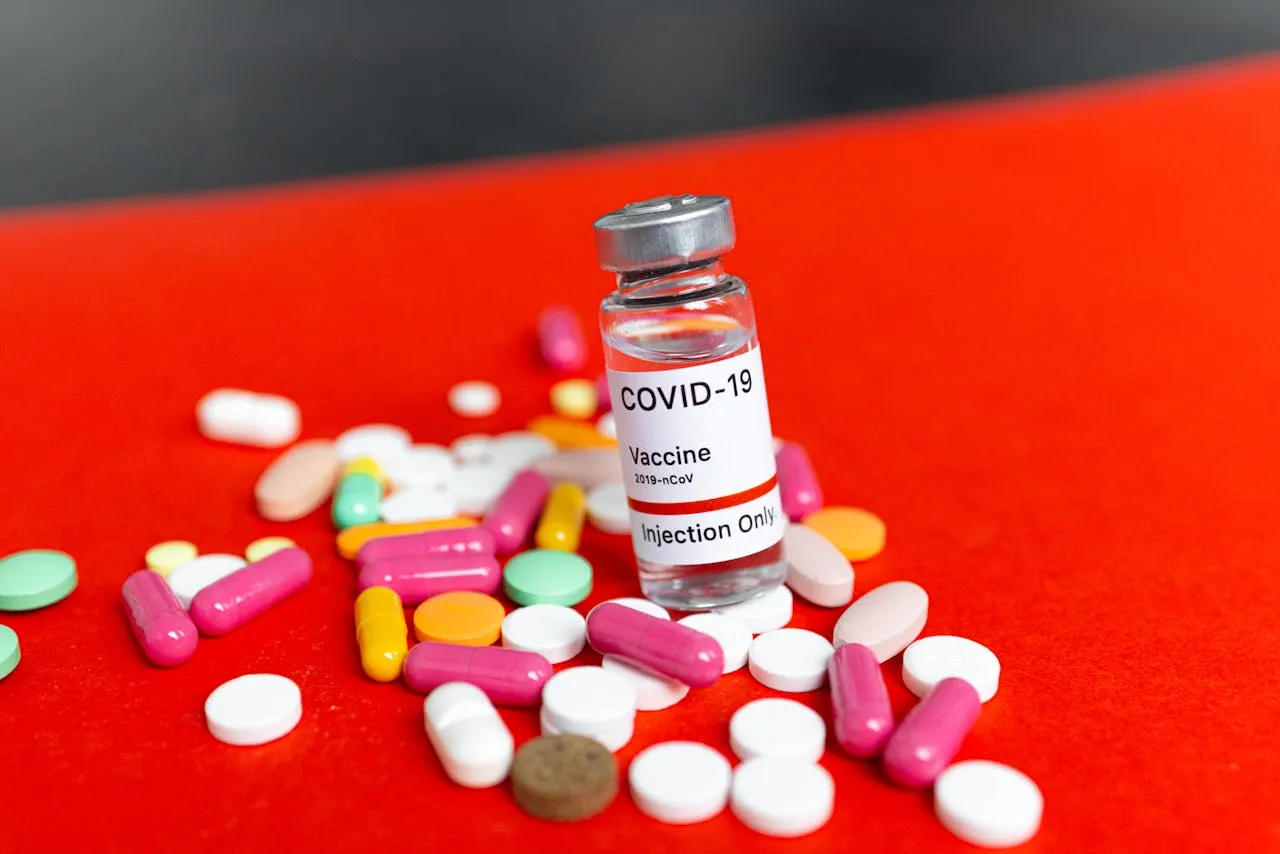
Shionogi & Co., Ltd. has announced a significant regulatory milestone for its antiviral medicine XOCOVA® (ensitrelvir), with the U.S. Food and Drug Administration (FDA) granting approval for the drug’s use as post-exposure prophylaxis (PEP) for COVID-19. The approval allows XOCOVA to be used in adults and adolescents aged 12 years and older who have been exposed to an individual infected with COVID-19, providing a new strategy for preventing illness before symptoms develop.
The decision marks the first FDA-approved oral antiviral therapy specifically indicated to help prevent COVID-19 after exposure. The approval arrives ahead of the agency’s previously scheduled Prescription Drug User Fee Act (PDUFA) target action date of June 16, 2026, highlighting the urgency and importance regulators placed on addressing an ongoing unmet need in COVID-19 prevention.
With this authorization, XOCOVA becomes the first and only oral treatment option currently available in the United States designed to reduce the risk of developing symptomatic COVID-19 following exposure to the virus. The approval expands the role of antiviral therapies beyond treatment of active infections and introduces a preventive option that may benefit individuals seeking protection after known contact with infected persons.
Since the emergence of COVID-19, public health strategies have relied heavily on vaccination, masking, infection-control measures, and therapeutic interventions administered after infection has already occurred. While vaccines continue to play a critical role in reducing severe disease and death, breakthrough infections and ongoing viral transmission have highlighted the need for additional preventive tools.
XOCOVA introduces a different approach by targeting viral replication during the period immediately following exposure to SARS-CoV-2, the virus responsible for COVID-19. By intervening before symptoms appear, the drug aims to prevent infection from progressing into clinically apparent disease.
The treatment regimen consists of a five-day oral course. Patients take three tablets on the first day of treatment, followed by one tablet daily from days two through five. This relatively simple dosing schedule is designed to facilitate rapid initiation after exposure and support patient adherence.
According to experts in infectious diseases, post-exposure prophylaxis has the potential to become an important component of COVID-19 prevention strategies, particularly in situations where individuals face a heightened risk of exposure or transmission.
Dr. Frederick Hayden, Richardson Professor Emeritus of Clinical Virology and Professor Emeritus of Medicine at the University of Virginia School of Medicine, emphasized the significance of the FDA’s decision.
He noted that COVID-19 continues to affect millions of people worldwide and remains capable of causing serious illness, particularly among vulnerable populations. Even infections categorized as mild or moderate can contribute to worsening chronic medical conditions or trigger long-term complications, including post-acute sequelae commonly referred to as long COVID.
According to Dr. Hayden, ensitrelvir works by inhibiting viral replication, helping prevent exposed individuals from developing symptomatic disease. He suggested that the post-exposure prophylaxis strategy could benefit a wide range of people who wish to avoid COVID-19 following known exposure.
Potential use cases extend beyond household transmission scenarios and may include outbreaks in nursing homes, long-term care facilities, hospitals, rehabilitation centers, and other healthcare settings where infection can spread rapidly. The approach may also be useful following travel-related exposures or during localized outbreaks in community settings.
The FDA’s decision was primarily based on findings from the pivotal Phase 3 SCORPIO-PEP clinical trial.
The study is particularly notable because it represents the only Phase 3 trial evaluating an oral antiviral therapy that successfully achieved its primary endpoint for preventing symptomatic COVID-19 after exposure to an infected individual.
Researchers enrolled more than 2,000 participants who had recently been exposed to someone with confirmed COVID-19. The trial compared XOCOVA with placebo and assessed the development of symptomatic infection during the study period.
Results demonstrated a statistically significant reduction in the risk of developing symptomatic COVID-19 among individuals treated with XOCOVA.
Among participants who were not infected at baseline, treatment with XOCOVA reduced the risk of symptomatic COVID-19 by 67% through Day 10 compared with placebo. The efficacy findings were based on 1,030 participants who received XOCOVA and 1,011 participants who received placebo.
These results represent one of the strongest demonstrations of effectiveness observed for an antiviral post-exposure prevention strategy during the COVID-19 pandemic.
Importantly, the benefit was observed in a real-world environment characterized by widespread circulation of Omicron variants and substantial background immunity from vaccination and prior infection.
In addition to demonstrating efficacy, XOCOVA exhibited a favorable safety profile in the SCORPIO-PEP trial.
Overall adverse event rates were similar between the treatment and placebo groups. Approximately 15.1% of participants receiving XOCOVA reported adverse events compared with 15.5% of those receiving placebo.
The most frequently reported adverse events occurring in at least one percent of participants and more commonly than placebo included headache, diarrhea, and cough.
These side effects were generally manageable and consistent with expectations for antiviral therapies.
Notably, investigators reported no cases of altered taste sensation, or dysgeusia, attributable to XOCOVA. Taste disturbances have been a concern with certain antiviral medications and have occasionally affected treatment adherence.
The absence of this side effect may represent an additional advantage for patients prescribed the therapy following exposure.
The complete findings from the SCORPIO-PEP study were published in May 2026 in the prestigious medical journal The New England Journal of Medicine, further supporting the scientific credibility of the results and providing detailed evidence for clinicians and healthcare decision-makers.
The approval represents another important milestone for Shionogi’s growing antiviral franchise.
The company has established a reputation for developing therapies targeting major viral diseases, including HIV and influenza. The addition of an FDA-approved COVID-19 prevention indication further strengthens the company’s position in the infectious disease space.
Nathan McCutcheon, President and Chief Executive Officer of Shionogi Inc., described the approval as an exciting development in the company’s antiviral journey.
He emphasized that XOCOVA is the first oral therapy shown in clinical studies to help prevent symptomatic COVID-19 following exposure regardless of vaccination status or prior immunity. This broad applicability may make the treatment relevant for a diverse patient population, including vaccinated individuals, previously infected individuals, and those with varying levels of immune protection.
According to McCutcheon, the availability of XOCOVA allows people to take proactive steps after exposure rather than waiting to see whether symptoms develop.
Although the global pandemic emergency phase has ended, COVID-19 remains a significant public health concern.
The virus continues to circulate widely, largely driven by Omicron and its evolving subvariants. Household transmission remains a major source of infection, with studies indicating that up to 47% of individuals living with an infected person may eventually contract the virus.
Data from the U.S. Centers for Disease Control and Prevention illustrate the continuing burden of disease. Between October 2025 and May 2026, estimates suggest that the United States experienced between 3.8 million and 12.4 million COVID-19 cases.
These infections resulted in an estimated 800,000 to 2.3 million outpatient visits, between 120,000 and 240,000 hospitalizations, and as many as 42,000 deaths during that period.
Such figures demonstrate that COVID-19 remains capable of placing substantial pressure on healthcare systems and causing significant morbidity and mortality.
The impact of COVID-19 extends beyond the initial infection period.
A growing body of research has documented elevated rates of long-term complications affecting multiple organ systems following COVID-19 infection. These complications may involve neurological, cardiovascular, respiratory, renal, and metabolic health.
Patients recovering from COVID-19 have been shown to face increased risks of developing new medical conditions or experiencing worsening of existing diseases during the months following infection.
Long COVID continues to be an area of particular concern. Symptoms such as fatigue, cognitive impairment, shortness of breath, and cardiovascular issues may persist long after the acute infection has resolved.
Older adults and individuals living in congregate settings such as nursing homes and long-term care facilities remain especially vulnerable. These populations face higher risks of severe illness, hospitalization, and death, making preventive strategies particularly valuable.
The FDA approval of XOCOVA for post-exposure prophylaxis introduces a new chapter in COVID-19 management by providing an oral antiviral option aimed at preventing illness before it develops.
By demonstrating strong efficacy, favorable tolerability, and ease of administration, the therapy has the potential to complement existing prevention strategies and fill an important gap in the current treatment landscape.
As healthcare providers continue to adapt to the evolving realities of COVID-19, XOCOVA may emerge as a valuable tool for reducing transmission-related illness, protecting vulnerable populations, and helping individuals respond quickly after exposure to the virus.
With the approval now secured, Shionogi is positioned to bring the first oral post-exposure preventive treatment for COVID-19 to patients across the United States, offering a new layer of protection against a virus that continues to affect millions each year.
About SCORPIO-PEP
The global, double-blind, randomized, placebo-controlled Phase 3 study, SCORPIO-PEP, assessed the safety and efficacy of XOCOVA as post-exposure prophylaxis for COVID-19. The study included 2,387 study participants aged 12 years and older with a negative local screening test for SARS-CoV-2 infection and no symptoms at the time of enrollment, who were exposed to a person living in their household with symptomatic COVID-19. The primary analysis included 2,041 household contact participants with a central laboratory-confirmed negative SARS-CoV-2 test at baseline.
The trial was conducted from June 2023–September 2024. More than 99% of household contacts tested positive for antibodies against SARS-CoV-2 N (nucleocapsid) or S (spike) proteins, indicating that nearly all had evidence of previous SARS-CoV-2 infection or vaccination, or both.
Study participants were randomly assigned at a 1:1 ratio to receive XOCOVA (375 mg on day 1 and 125 mg on days 2-5) or placebo, once daily, and began treatment within 72 hours of when the household member with COVID-19 began showing symptoms. Participants then continued XOCOVA (125 mg) or placebo for five days. SCORPIO-PEP is the first and only Phase 3 study of an oral antiviral to meet the primary endpoint of preventing COVID-19 following exposure to an infected individual.
About XOCOVA
XOCOVA® (ensitrelvir) is a SARS-CoV-2 main protease inhibitor created through joint research between Hokkaido University and Shionogi. SARS-CoV-2 has an enzyme called the main protease, which is essential for the replication of the virus. XOCOVA suppresses the replication of SARS-CoV-2 by selectively inhibiting the main protease.
XOCOVA is approved in the U.S. and Japan for post-exposure prophylaxis of COVID‑19 in adults and adolescents 12 years of age and older following contact with an individual who has COVID-19.
XOCOVA received emergency regulatory approval in Japan in November 2022 and full approval in March 2024 for the treatment of COVID-19 based on results from SCORPIO-SR, a Phase 3 study conducted in Asia during the Omicron-dominant phase of the pandemic. Results from this study were published in JAMA Network Open. XOCOVA is not approved for the treatment of COVID-19 in the U.S.