

SpecialtyCare, a leading provider of outsourced clinical services in the United States, has announced that its Intraoperative Neuromonitoring (IONM) Training Program has received accreditation from the Commission on Accreditation of Allied Health Education Programs (CAAHEP). The accreditation marks a significant milestone for the company’s clinical education efforts and reinforces its focus on preparing highly trained neurophysiology professionals to support surgical teams and patient care.
The CAAHEP accreditation recognizes educational programs that meet established standards for quality and professional preparation in allied health. For SpecialtyCare, the designation provides external validation of the structure, rigor and resources supporting its IONM training program, which has been preparing clinicians for careers in surgical neurophysiology for more than a decade.
According to SpecialtyCare, the company is among the first IONM providers in the industry to receive this accreditation. The achievement reflects the organization’s broader efforts to strengthen professional development and workforce preparation within intraoperative neuromonitoring.
CAAHEP accreditation follows a comprehensive evaluation process designed to assess whether an educational program meets established quality standards. The review considers multiple aspects of a program, including curriculum design, faculty qualifications, clinical education requirements, institutional resources, student outcomes and overall program quality.
For an IONM training program, these elements are particularly relevant because professionals working in intraoperative neuromonitoring operate in complex clinical environments and provide information to surgical teams during procedures.
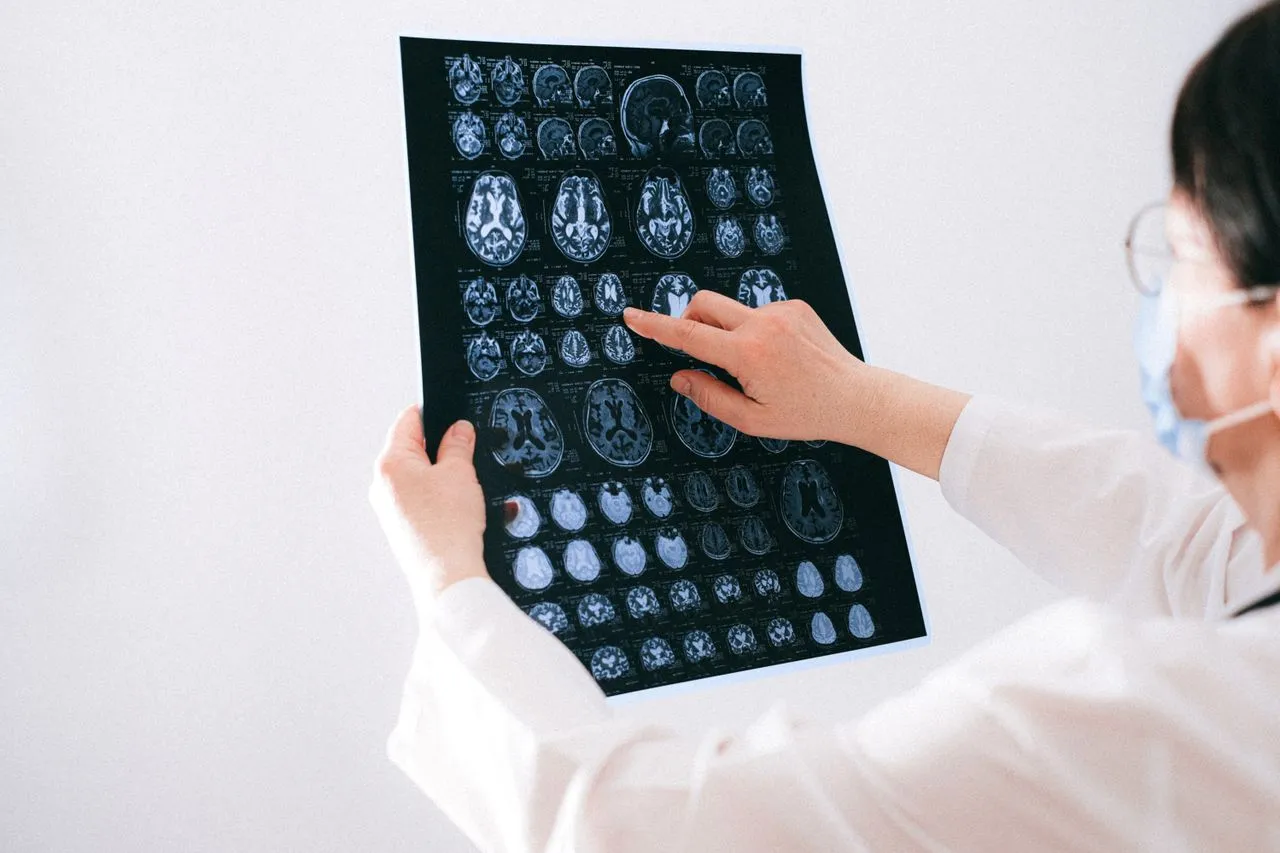
IONM involves monitoring the nervous system during surgery to help identify changes in neurological function while an operation is underway. Neurophysiology professionals supporting these procedures must have the knowledge and practical skills necessary to operate within the surgical environment, interpret monitoring information and communicate appropriately with members of the surgical team.
SpecialtyCare said the CAAHEP accreditation reinforces the program’s commitment to preparing clinicians through structured education and clinical experience.
The accreditation also provides an independent benchmark for the quality of the training program. Rather than relying solely on internal standards, SpecialtyCare’s program has undergone external review against established accreditation requirements.
SpecialtyCare has operated its IONM training program for more than 10 years, during which time it has trained hundreds of clinicians. According to the company, graduates have gone on to become certified surgical neurophysiologists working with hospitals and healthcare systems across the country.
The program combines classroom and structured educational content with hands-on clinical experience. This approach is intended to help trainees develop the technical knowledge and professional competencies needed to work in operating rooms and support surgical care.
The company said the accreditation builds on this existing foundation by adding an additional level of accountability and quality assurance to the educational process.
“This is a milestone not just for SpecialtyCare,” said Sam Weinstein, Chief Executive Officer of SpecialtyCare. “For more than a decade, our IONM training program has prepared clinicians to provide exceptional support to surgical teams across the country. Earning CAAHEP accreditation validates the quality, rigor, and impact of that work. It speaks to SpecialtyCare’s superior commitment to our staff, our surgeon partners, and our patients.”
Weinstein said the recognition reflects the company’s investment in its employees as well as its relationships with surgical teams and healthcare organizations.
Accreditation can provide benefits to multiple groups involved in healthcare education and delivery, including students, employers and patients.
For students considering a career in surgical neurophysiology, accreditation provides an external indication that a program has met established educational and quality standards. It can also offer greater confidence that the curriculum and clinical training are structured around the knowledge and competencies required within the profession.
Employers can similarly benefit from graduates who have completed an accredited educational program. A standardized approach to education can help provide greater consistency in the preparation of individuals entering the healthcare workforce.
The healthcare industry continues to evolve as clinical technologies, surgical techniques and patient-care practices advance. Training programs therefore need to prepare professionals for both current responsibilities and changing expectations.
Dr. Barry S. Eckert, President of CAAHEP, emphasized the role accreditation can play in allied health education.
“Choosing a CAAHEP-accredited program is crucial for students seeking a career in allied health,” Eckert said. “It ensures that they receive an education that is both comprehensive and relevant to current industry needs, ultimately benefiting their future employers and people receiving care.”
For SpecialtyCare, the accreditation is intended to reinforce the connection between professional education, workforce readiness and patient care.
IONM professionals work in an environment where clinical knowledge, technical competency and communication are all important. Surgical procedures can vary considerably, and monitoring requirements can depend on the type of procedure, the patient’s condition and the neurological structures involved.
SpecialtyCare’s training program is designed to prepare clinicians for these demands through a combination of structured curriculum and practical clinical experience.
The company said the program’s educational model is focused on continuous learning and competency development. The CAAHEP accreditation provides an additional framework for maintaining these standards as the program evolves.
“CAAHEP accreditation allows us to hold ourselves accountable to the same level of rigor expected of academic institutions,” said Julie Trott, Senior Director of Clinical Training & Development at SpecialtyCare.
“Our focus has always been quality and education, and we are proud to be recognized for this commitment. We pursued accreditation because it was the right thing to do for our staff and our patients. The best patient care starts by ensuring clinicians are prepared for every situation they may encounter in the operating room,” Trott added.
Her comments highlight the role that professional education plays in SpecialtyCare’s broader clinical services strategy. The company views training not only as a workforce development activity but also as an important component of supporting consistent clinical practice.
The accreditation comes as healthcare organizations continue to require skilled professionals across specialized clinical disciplines. Intraoperative neuromonitoring represents one area in which specialized knowledge and technical expertise are needed to support surgical teams.
As the IONM field develops, educational programs have an important role in preparing professionals to work with evolving technologies, procedures and clinical expectations.
SpecialtyCare said its accreditation strengthens its ability to provide a structured pathway for clinicians interested in surgical neurophysiology. The program’s combination of formal education and hands-on clinical training is intended to help trainees develop the competencies required to work in operating-room environments.
The company’s investment in education also reflects a broader focus on workforce development. By providing a formal training pathway, SpecialtyCare can contribute to the development of professionals who may ultimately support hospitals, surgeons and patients across a range of surgical settings.
The CAAHEP recognition provides an additional quality framework for that effort and establishes standards against which the program can continue to assess its performance.
Although accreditation is primarily an educational distinction, SpecialtyCare emphasized its connection to patient care. Professionals who provide IONM services work as part of multidisciplinary surgical teams, meaning their preparation can influence their ability to perform their responsibilities in complex clinical settings.
High-quality training can help clinicians develop familiarity with monitoring procedures, clinical protocols and operating-room workflows. It can also provide opportunities for trainees to gain practical experience before assuming professional responsibilities.
SpecialtyCare’s leadership said that preparing clinicians thoroughly is an important part of supporting patients and surgical partners.
The company’s IONM Training Program has already produced hundreds of clinicians who have progressed into roles as certified surgical neurophysiologists. With CAAHEP accreditation now in place, SpecialtyCare expects the program to continue serving as an important component of its approach to professional development.
The accreditation also contributes to SpecialtyCare’s stated objective of advancing standards within the IONM profession. Establishing formal educational benchmarks can help promote consistency in how clinicians are trained and prepared for practice.
For a specialized healthcare discipline, standardized education can provide value to trainees, employers and healthcare organizations seeking qualified professionals. Accreditation can also encourage programs to maintain systematic approaches to curriculum development, faculty qualifications, clinical experience and student outcomes.
SpecialtyCare said it intends to continue investing in education and workforce development as demand for trained neurophysiology professionals grows.
The company’s newly accredited program represents an extension of that commitment. By combining formal educational standards with practical clinical experience, SpecialtyCare aims to prepare clinicians to meet the demands of modern surgical environments.
The CAAHEP accreditation represents a new milestone in SpecialtyCare’s long-running IONM education efforts. After more than a decade of training clinicians and supporting their progression into surgical neurophysiology careers, the program now carries accreditation from an independent organization focused on allied health education quality.
For students, the accreditation provides an additional reference point when evaluating training opportunities. For employers, it provides recognition that graduates have completed a program evaluated against established educational standards. For SpecialtyCare, it reinforces the company’s investment in its workforce and its commitment to clinical quality.
The company plans to continue using structured education, hands-on clinical experience and ongoing learning to prepare future neurophysiology professionals.
More information about SpecialtyCare’s accredited IONM Training Program is available through the company’s official program page: SpecialtyCare IONM Training Program.
About SpecialtyCare
SpecialtyCare works with hospitals and surgery centers to become a seamless, integrated partner in and around the operating room. With three service lines — Cardiac, Neuro, and Surgical — we have a deep roster of highly trained specialists to help hospitals get better outcomes for their patients, increase coverage, improve throughput, and reduce costs. Armed with the latest tools and technology, data-backed insights, and tens of thousands of hours in operating rooms across the country, SpecialtyCare is the premier partner for hospitals. Supported by our team of expert clinicians, surgeons and hospital leaders can drive swiftly toward a more effective OR and ICU.