


Sun Nuclear, a Mirion Medical company, has announced the global launch of Simon™, a cloud-native, vendor-agnostic command center designed to help radiation oncology departments monitor the health and performance of linear accelerators (linacs). The new platform brings quality assurance (QA) information from different devices, equipment manufacturers and clinical sites into a unified environment, providing medical physicists with a consolidated view of machine performance across individual treatment systems and entire healthcare networks.
Designed to operate alongside Sun Nuclear’s SunCHECK® software or independently, Simon aims to simplify the collection, comparison and analysis of machine quality assurance data. By combining information from multiple sources into a standardized record, the platform is intended to help radiation oncology teams identify developing equipment issues, monitor performance trends and respond to potential problems before they result in treatment interruptions.
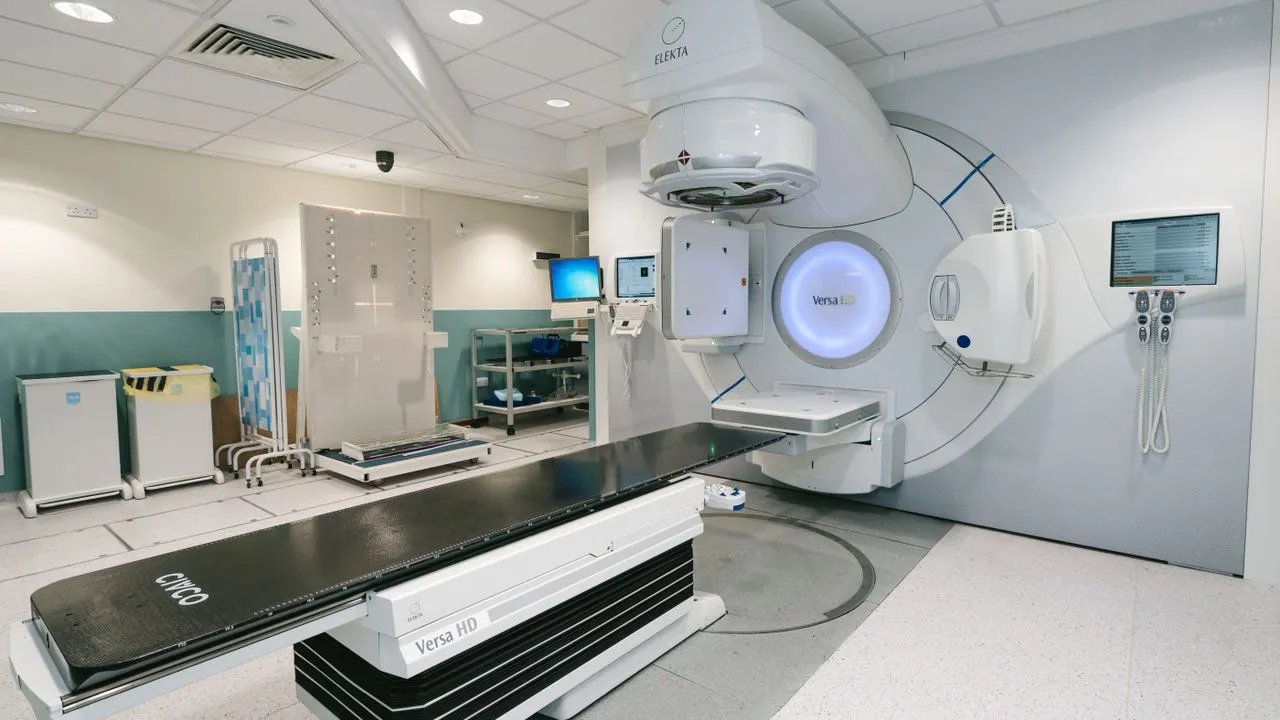
The launch addresses an important operational requirement in radiation oncology, where the accuracy and reliability of treatment delivery equipment are essential to patient care. Linear accelerators are used to deliver high-energy radiation to targeted areas of the body, making consistent equipment performance and precise calibration critical to the safe and effective delivery of radiotherapy.
Radiation oncology departments routinely perform quality assurance checks to verify that machines operate within established tolerances. These checks generate substantial amounts of information, including measurement results, machine logs, performance checks, maintenance records and calibration data. When this information is distributed across different systems, equipment manufacturers and locations, medical physics teams may need to spend considerable time collecting and reviewing records before identifying performance changes.
Simon is designed to address these challenges by bringing the information together in one command center. The platform applies statistical process control to monitor trends and identify changes in machine performance before they exceed predefined tolerances. This early-warning capability is intended to support proactive maintenance, reduce unexpected equipment downtime and help clinical teams avoid treatment delays.
“Quality assurance exists so that patients are treated accurately, precisely and on schedule,” said Margaret Johns, President, Sun Nuclear – Radiation Therapy QA. “Simon brings it together in one view, supporting fleet management and driving efficiency gains, while early warning helps teams avoid costly unplanned outages.”
One of Simon’s primary capabilities is its ability to provide a consolidated view of machine health across an entire radiation oncology equipment fleet. Rather than requiring medical physicists to review separate records for individual machines, the platform displays the status of multiple linacs within a common environment.
This centralized approach is particularly relevant for large hospital systems and multi-site radiation oncology networks, where equipment may be distributed across different departments, facilities and geographic regions. Maintaining consistent oversight across these locations can be challenging when QA processes and records are managed separately.
Simon provides a unified calendar that includes quality assurance checks, equipment downtime, repairs and calibrations. By combining these activities, the platform gives teams greater visibility into machine availability and maintenance schedules.
The consolidated calendar can help departments understand when equipment is scheduled for testing, when repairs have taken place and how maintenance activities relate to machine performance. This information can support planning and coordination among medical physicists, radiation therapists, service engineers and other members of the radiation oncology team.
For departments managing multiple linacs, a single view of equipment status may also help identify machines requiring additional attention. Instead of relying on separate spreadsheets or manually assembled reports, teams can review information through a common platform.
Another central feature of Simon is its use of statistical process control to identify developing changes in machine performance.
Traditional quality assurance programs typically involve checking whether equipment measurements remain within specified tolerances. These checks are essential, but a machine can begin to show gradual performance changes while its measurements are still within acceptable limits.
For example, a measurement may gradually move away from its historical baseline without immediately exceeding the tolerance threshold. If the change is not identified early, it may eventually become a more significant equipment issue.
Statistical process control helps address this challenge by examining performance trends over time rather than relying exclusively on individual measurements. By evaluating patterns in QA data, the platform can help identify potential drift and alert teams before a tolerance limit is exceeded.
This approach is intended to give medical physicists additional time to investigate developing issues and arrange corrective action during planned maintenance windows. Identifying changes before they affect treatment delivery may help reduce the likelihood of unexpected equipment outages.
Early detection is particularly important in radiation oncology because interruptions in treatment schedules can create operational challenges for both healthcare providers and patients. When a linac becomes unavailable unexpectedly, departments may need to reschedule appointments, transfer patients to another machine or reorganize treatment schedules.
By supporting earlier identification of machine performance changes, Simon aims to help departments move from reactive maintenance toward more proactive equipment management.
Radiation oncology departments may operate equipment from different manufacturers and use multiple software systems to perform and document quality assurance activities. This can create difficulties when comparing machine performance across a fleet.
Simon is designed to be vendor-agnostic, allowing QA information from different devices, equipment vendors and clinical sites to be brought into one comparable record.
The ability to consolidate data from multiple sources is intended to give medical physicists a broader understanding of equipment performance. Instead of reviewing results in separate formats, teams can assess machine health through a more consistent information structure.
This capability may be particularly useful for healthcare organizations operating radiation oncology services across multiple locations. Different facilities may have varying equipment configurations, workflows and maintenance schedules. A common platform can help leadership and technical teams review performance using a more standardized approach.
The platform is also designed to reduce the manual work associated with gathering QA information. Medical physicists may otherwise need to export results from different systems, organize them in spreadsheets and compare measurements before identifying trends.
By bringing these records together, Simon aims to reduce time spent on data collection and spreadsheet-based analysis. This could allow clinical physics teams to focus more of their efforts on evaluating machine performance, investigating alerts and implementing corrective actions.
Consistent quality assurance practices are essential for radiation oncology departments, particularly when multiple staff members and clinical locations are involved.
Differences in how QA activities are performed, recorded or reviewed can make it more difficult to maintain uniform standards across an organization. Simon is designed to support standardization by providing visibility into quality assurance activities and showing whether established processes are being followed.
Through its centralized approach, the platform can help teams monitor QA checks across different machines and locations. This may support internal oversight, workflow consistency and the identification of gaps in routine equipment monitoring.
The platform also aims to simplify accreditation and audit preparation. Radiation oncology departments must maintain records demonstrating that their equipment is regularly tested, calibrated and monitored. Collecting this documentation can be time-consuming, particularly when records are stored across multiple systems.
By consolidating QA results, maintenance information and other machine-related records, Simon is intended to reduce the effort required to prepare documentation for audits and accreditation activities.
For clinical teams, improved access to organized records may also support internal reviews and communication between staff members responsible for equipment performance and patient treatment delivery.
Simon was previewed at the American Society for Radiation Oncology (ASTRO) 2026 Annual Meeting in Boston. During the event, David Barbee, Ph.D., DABR, Director of Technology and Innovation in Radiation at NYU Langone Health, shared feedback from the institution’s initial clinical experience with the platform.
NYU Langone Health served as a clinical partner during Simon’s development, providing practical input based on the needs and workflows of a large radiation oncology program.
The healthcare organization used Simon to bring together quality assurance data, machine logs and Machine Performance Checks (MPC) results from nine linear accelerators operating across five regions.
Before the platform was introduced, the process of collecting and analyzing information from the different systems could take months. The implementation of Simon enabled the team to consolidate these records and review machine performance more efficiently.
The early experience also demonstrated the platform’s ability to identify developing equipment issues while machines were still operating within established tolerances.
During the initial use, the team identified three issues through early-warning detection: a jaw offset, an isocenter offset and a couch-shift alert. All three were detected before the machines exceeded their applicable tolerances.
The issues were subsequently addressed during planned maintenance rather than being left to develop into more significant problems that might require unexpected intervention.
These findings illustrate the potential operational value of monitoring performance trends over time. By identifying changes earlier, medical physics teams may have more opportunities to schedule maintenance and corrective work without disrupting treatment operations.
Barbee described the implementation of standardized machine QA processes as an important step in NYU Langone Health’s quality assurance program.
“Standardizing our machine QA on SunCHECK across our sites in 2020 was a big step for our program. Simon is the next one,” Barbee said.
He explained that bringing QA data, machine logs and machine performance check results into one location allows the team to trend equipment performance and identify changes earlier.
“With QA data, machine logs and machine performance check results together in one place, we can trend performance over time and see change earlier, turning analysis that once took months into something we can do quickly. That helps us move faster and more proactively from analysis to action, for the benefit of our patients,” he added.
The experience at NYU Langone Health provides an early example of how Simon may be used in a multi-site radiation oncology environment. While the reported findings reflect the institution’s initial experience, they highlight the potential advantages of consolidating equipment data and applying trend-based monitoring to routine quality assurance workflows.
Simon can be used alongside SunCHECK software or independently, giving radiation oncology departments flexibility in how they incorporate the platform into their existing quality assurance infrastructure.
SunCHECK is part of Sun Nuclear’s radiation therapy QA software portfolio. Simon extends the company’s approach by providing a centralized command center for monitoring linear accelerator health across equipment, vendors and clinical locations.
The ability to operate independently may also allow organizations to use Simon without requiring the same software configuration across every site. This is relevant for healthcare networks that have acquired different facilities or operate equipment from multiple manufacturers.
By consolidating available information into a comparable record, Simon is intended to help teams gain a broader view of equipment performance without relying on a single vendor’s machine ecosystem.
This approach reflects the operational complexity of modern radiation oncology departments, where maintaining consistent equipment oversight across multiple systems is an increasingly important responsibility.
The name Simon has a connection to the history of Sun Nuclear and the development of radiation therapy quality assurance technology.
The platform is named in honor of Bill Simon, M.S., Sun Nuclear co-founder and Chief Science Officer, who has spent decades contributing to the development of technologies used by medical physicists to measure and verify radiation therapy delivery.
His work has included innovations in detector arrays and water tank scanning systems. These technologies have evolved into quality assurance tools used by radiation oncology clinics and radiation therapy delivery system manufacturers.
The company’s naming decision recognizes Simon’s contributions to the development of measurement and verification technologies that support accurate radiation treatment.
During the ASTRO preview, Luis Rivera, Executive Vice President of Mirion Medical, also discussed Bill Simon’s approach to innovation, emphasizing his long-standing practice of allowing data to guide technical and scientific decisions.
The name therefore reflects the company’s connection to the development of radiation therapy QA and its continued focus on improving the tools available to medical physics professionals.
Sun Nuclear plans to introduce Simon through a live webinar scheduled for Tuesday, November 17, 2026, at 11:00 a.m. Eastern Time.
The session will include a product demonstration and an overview of how Simon works alongside SunCHECK. The webinar is intended to provide radiation oncology professionals with an opportunity to understand the platform’s features and how it can be incorporated into existing quality assurance workflows.
Registration is available through the company’s Simon product introduction webinar.
Additional information about the platform, including its capabilities and product details, is available on the Sun Nuclear Simon product page.
The global launch of Simon represents an additional step in Sun Nuclear’s efforts to support quality assurance and equipment management in radiation oncology. By combining data from different devices, vendors and sites, the platform is designed to help medical physicists monitor machine health through a centralized environment.
Its statistical process control capabilities are intended to identify developing performance changes before they exceed established tolerances, allowing teams to investigate potential issues and coordinate maintenance earlier. The platform’s unified calendar, standardized QA records and audit-supporting documentation are also designed to reduce administrative work and improve operational visibility.
The early experience at NYU Langone Health demonstrates how consolidating QA data, machine logs and performance check results can shorten analysis workflows and help identify equipment changes before they affect treatment operations.
For radiation oncology departments, maintaining reliable linac performance is directly connected to the ability to deliver accurate treatment on schedule. Unexpected equipment downtime can disrupt clinical workflows and create challenges for patients and care teams.
By providing a broader view of machine performance and supporting proactive maintenance, Simon aims to help healthcare organizations strengthen equipment oversight, improve quality assurance efficiency and maintain consistent radiation therapy operations across their facilities.
About Sun Nuclear
Sun Nuclear is part of Mirion Medical, a group of healthcare-focused brands within Mirion, providing innovative solutions for Radiation Therapy and Diagnostic Imaging. More than 6,000 cancer centers worldwide rely on us for independent, integrated Quality Management. With a focus on ongoing support, Sun Nuclear aims to ease technology adoption, enhance workflows and improve outcomes – so that healthcare providers can achieve real results for Patient Safety.