


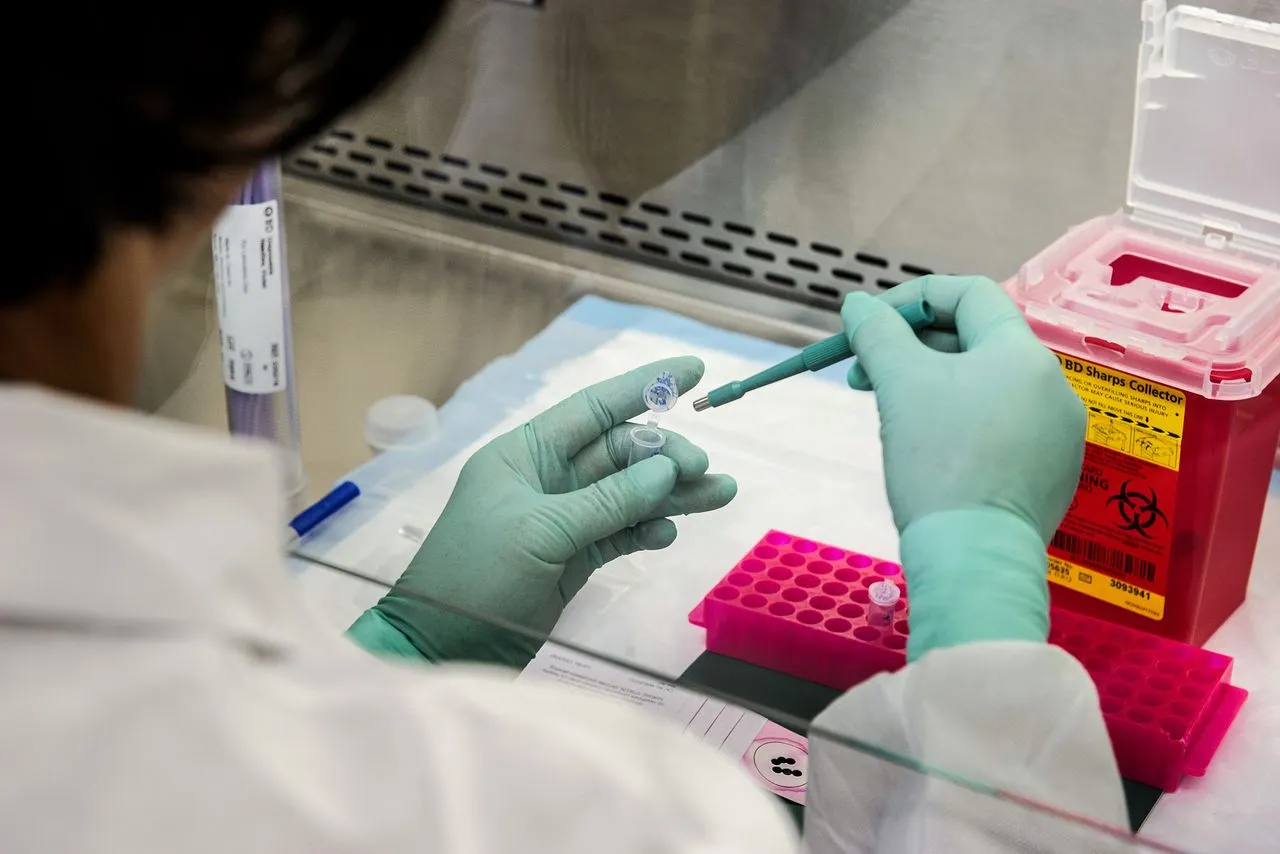
TRIANA Biomedicines, Inc. (TRIANA), a clinical-stage biopharmaceutical company focused on developing molecular glue therapies against difficult-to-drug disease targets, has announced the publication of new preclinical research supporting its lead investigational program, TRI-611, in the peer-reviewed scientific journal Nature. The manuscript, titled “TRI-611, a selective, brain-penetrant molecular glue degrader of ALK,” provides detailed evidence supporting the potential of TRI-611 as a new therapeutic approach for patients with anaplastic lymphoma kinase (ALK) fusion-positive non-small cell lung cancer (ALK+ NSCLC).
The publication represents an important scientific milestone for TRIANA as the company advances TRI-611 through clinical development. The program is also scheduled to be highlighted at the European Society of Medical Oncology (ESMO) Congress 2026, taking place October 23-27 in Madrid, Spain. A Trial-in-Progress poster will provide additional information about the ongoing Phase 1/2 clinical study evaluating TRI-611 in patients with ALK fusion-positive NSCLC.
TRIANA is developing TRI-611 using its target-first and proximity-first molecular glue discovery platform. The company’s approach is designed to identify molecular glues capable of creating productive interactions between disease-associated proteins and components of the cell’s natural protein degradation machinery.
ALK-targeted therapies have significantly advanced treatment for patients with ALK fusion-positive NSCLC. Tyrosine kinase inhibitors (TKIs) directed against ALK have become important treatment options for this molecularly defined form of lung cancer. However, despite their clinical benefits, current approaches can be limited by tolerability challenges and the emergence of resistance mutations.
Resistance is a particularly important issue in targeted oncology. Cancer cells can acquire changes that reduce their sensitivity to therapies designed to inhibit a specific protein or signaling pathway. In ALK-positive disease, resistance mutations can emerge in the ALK kinase domain, potentially limiting the effectiveness of available TKIs and creating a need for additional therapeutic strategies.
TRI-611 is designed to address ALK through a fundamentally different mechanism. Rather than simply inhibiting the activity of the ALK kinase, TRI-611 functions as a molecular glue degrader intended to promote the destruction of ALK fusion proteins inside cancer cells.
According to TRIANA, TRI-611 represents the first clinical-stage molecular glue degrader targeting an oncogenic gene fusion. The company believes this mechanism could potentially expand treatment options for people with ALK+ NSCLC, including patients whose tumors have developed resistance to existing ALK-directed therapies.
Molecular glues are small molecules designed to bring two proteins into close proximity, creating an interaction that would not ordinarily occur or would otherwise be too weak to produce a biological effect. In targeted protein degradation, this induced proximity can recruit a target protein to an E3 ubiquitin ligase, initiating a cellular process that ultimately marks the target for degradation.
TRI-611 was discovered through TRIANA’s proximity-first approach, which seeks molecular glue solutions for compelling disease targets. The candidate is designed to promote proximity between the ALK kinase domain and the E3 ligase Cereblon.
A key feature of TRI-611 is that it binds to a unique site that is distal from the ALK kinase active site. This differentiates the candidate from conventional ALK TKIs, which generally work by directly binding the kinase’s active site and blocking its enzymatic activity.
By recruiting Cereblon to ALK, TRI-611 is designed to induce degradation of ALK fusion proteins rather than merely suppress their signaling activity. This distinction could have important implications for tumors driven by ALK alterations, particularly those carrying mutations that interfere with conventional kinase inhibitor activity.
Published preclinical findings support the potency and selectivity of TRI-611 against ALK oncogenic gene fusions. The research demonstrated that treatment with TRI-611 can induce degradation of ALK fusion proteins, including both wild-type forms and ALK variants associated with resistance to TKIs.
The Nature publication describes preclinical experiments evaluating TRI-611 across multiple models of ALK+ NSCLC. These studies included both cell line-derived and patient-derived tumor models.
Importantly, the research evaluated subcutaneous as well as intracranial tumor models. The inclusion of intracranial models is particularly relevant to TRIANA’s development strategy because brain involvement represents a significant clinical consideration in advanced lung cancer.
According to the published findings, TRI-611 produced tumor regression in preclinical models of ALK+ NSCLC. The candidate’s ability to penetrate the brain and demonstrate activity in intracranial tumor models supports its characterization as a brain-penetrant molecular glue degrader.
Brain penetration is an important consideration when developing treatments for advanced NSCLC because the central nervous system can present a challenging therapeutic environment. A candidate that can reach tumors within the brain may have the potential to address disease that is not adequately controlled by therapies with limited central nervous system exposure.
The preclinical findings described by TRIANA therefore provide support not only for TRI-611’s ability to degrade ALK fusion proteins but also for its potential activity in both systemic and intracranial disease models.
One of the most notable aspects of the TRI-611 program is its activity against ALK TKI-resistant mutations. Because the candidate binds ALK at a site distinct from the kinase active site, its molecular glue mechanism is fundamentally different from the mechanism used by traditional ALK TKIs.
The published research indicates that TRI-611 can degrade both wild-type ALK fusion proteins and mutated versions associated with resistance to ALK-targeted kinase inhibitors. This finding could have implications for patients whose disease progresses following treatment with existing ALK TKIs.
Rather than attempting to overcome resistance by developing another inhibitor that interacts with the same general therapeutic target in a similar manner, molecular glue-mediated degradation seeks to remove the disease-driving protein itself.
This approach could potentially broaden the range of ALK alterations that can be targeted. However, the clinical relevance of the preclinical findings will need to be established through ongoing human studies.
TRIANA’s research also points to the potential use of TRI-611 in combination with existing ALK-targeted therapies.
In preclinical studies, combining TRI-611 with an ALK TKI produced synergistic and durable tumor regressions. The company believes this combination potential could create additional treatment strategies for ALK+ NSCLC.
The rationale for combination treatment is based on the different mechanisms involved. Conventional ALK TKIs inhibit ALK signaling, while TRI-611 is designed to promote degradation of ALK fusion proteins. Using the two approaches together could potentially provide a more comprehensive suppression of ALK-driven tumor biology.
The durability of the tumor regressions observed in preclinical combination studies provides additional support for investigating this strategy. As with the monotherapy findings, however, clinical trials will be required to determine whether the preclinical combination effects translate into meaningful benefits for patients.
The publication in Nature represents an important validation of the scientific foundation behind TRI-611, according to TRIANA leadership.
Vito Palombella, PhD, Chief Scientific Officer of TRIANA, said the publication provides important validation of the scientific rationale supporting TRI-611 and adds to the company’s growing body of preclinical evidence for its molecular glue platform.
The publication also provides greater visibility into TRIANA’s broader approach to molecular glue discovery. By combining target-first and proximity-first strategies, the company is seeking to identify new ways of addressing disease targets that may be difficult to drug using conventional small-molecule approaches.
Patrick Trojer, PhD, President and CEO of TRIANA, said the company is focused on building on its scientific work and ultimately developing TRI-611 as a meaningful treatment option for patients with ALK fusion-positive NSCLC across earlier and later lines of treatment.
Trojer also emphasized that TRI-611’s novel mechanism could potentially represent a new product class and support combination strategies designed to increase therapeutic options for patients.
While the Nature publication focuses on preclinical findings, TRI-611 is now being evaluated clinically. The ongoing Phase 1/2 study is designed to assess TRI-611 in patients with ALK fusion-positive NSCLC.
The clinical program will be presented at the 2026 ESMO Congress through a Trial-in-Progress poster, giving the oncology community an opportunity to learn more about the study and TRIANA’s clinical development strategy.
The poster is titled “TRI-611-101: A Phase 1/2 Trial of TRI-611 in ALK Fusion Positive Non-small Cell Lung Cancer (NSCLC) Patients” and is assigned Presentation Number 2872 eTIP.
The progression from preclinical publication to ongoing clinical evaluation marks an important stage for the TRI-611 program. The data published in Nature establish the biological rationale for targeting ALK through molecular glue-mediated degradation, while the Phase 1/2 trial will determine how the approach performs in patients.
For TRIANA, the development of TRI-611 reflects an effort to expand the therapeutic possibilities for ALK+ NSCLC beyond conventional kinase inhibition. Its ability to degrade ALK fusion proteins, including TKI-resistant variants, penetrate the brain, demonstrate activity in intracranial tumor models and potentially work synergistically with ALK TKIs gives the program several areas of clinical interest.
Ultimately, the ongoing clinical study will be critical in determining whether these preclinical advantages can translate into a safe, effective and durable treatment option. The company’s upcoming presentation at ESMO 2026 is expected to further advance visibility around the program as TRIANA continues its clinical development of TRI-611 and broader efforts to establish molecular glue degraders as a therapeutic strategy for difficult-to-drug cancer targets.
About TRIANA Biomedicines, Inc.
TRIANA Biomedicines is a private, clinical-stage biotechnology company, headquartered in Lexington, Massachusetts, focused on building the leading molecular glue discovery platform to regulate disease targets that are difficult to address with any other modality. TRIANA’s drug discovery engine is powered by bespoke chemical libraries, deep biochemical and biological mechanistic insights in addition to high resolution structural biology.
TRIANA’s target-first and proximity-first approach to molecular glue discovery is currently focused on inducing or enhancing the degradation of high-profile disease targets. The therapeutic approach pioneered by TRIANA has the potential to fundamentally change the paradigm of small molecule drug discovery and bring significant therapeutic benefits to patients.