


VB Spine LLC, a privately held spine technology company, announced that the U.S. Food and Drug Administration (FDA) has granted Breakthrough Device Designation to ScolimiR-3D, an in vitro diagnostic blood test being developed to assess the risk of disease progression in patients with adolescent idiopathic scoliosis (AIS).
The designation marks a regulatory milestone for the company and the development of predictive diagnostic tools for scoliosis. According to VB Spine, ScolimiR-3D is the first predictive diagnostic scoliosis risk assessment test to receive FDA Breakthrough Device Designation.
The technology is designed to address an important challenge in the management of AIS: determining not only whether a patient has scoliosis, but also how likely the spinal curvature is to progress to a more severe stage. ScolimiR-3D is being developed to provide physicians with additional biological information that could help inform treatment planning and discussions with patients and their families.
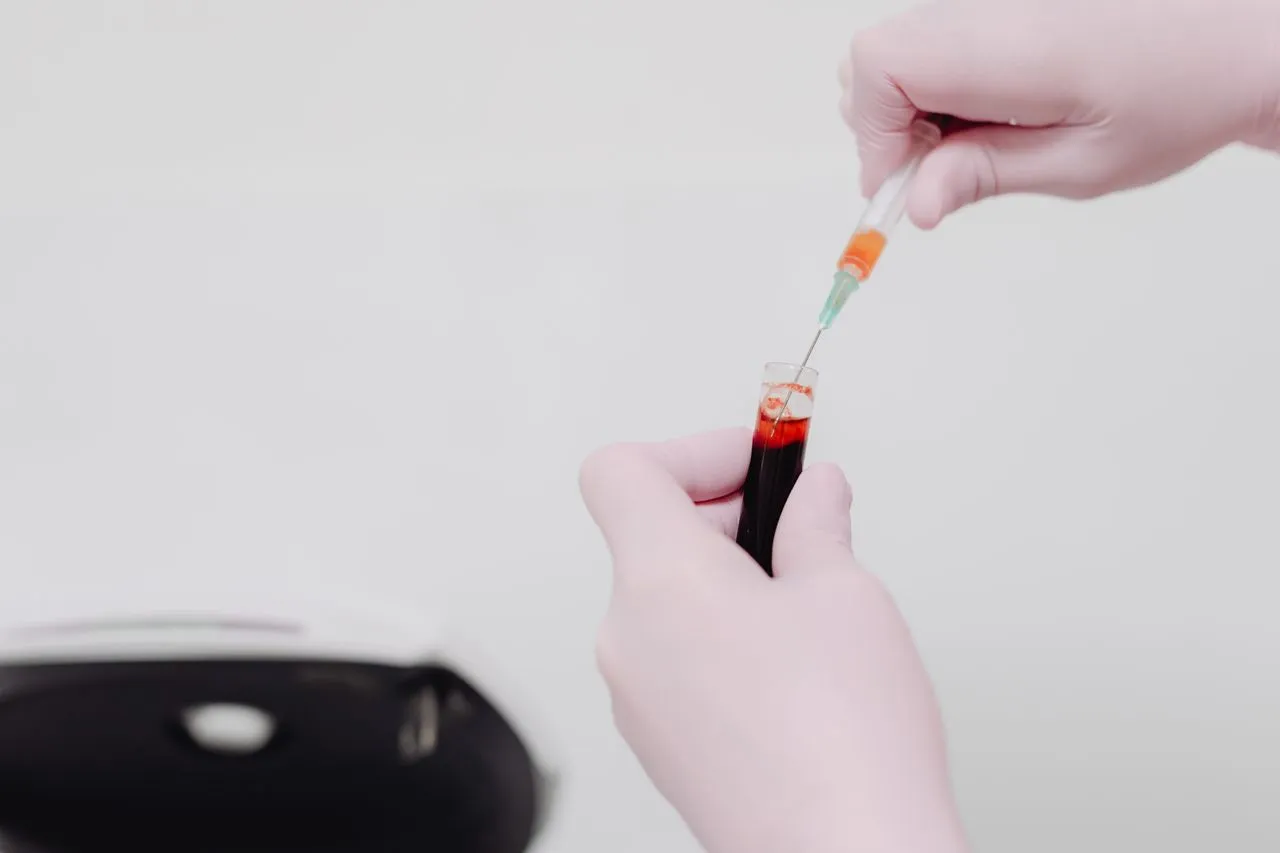
ScolimiR-3D is an in vitro diagnostic test that uses a standard blood sample to evaluate six circulating microRNAs associated with the progression of adolescent idiopathic scoliosis.
MicroRNAs are small RNA molecules that can influence gene expression and have been investigated as potential biomarkers for a variety of diseases and biological processes. In the case of ScolimiR-3D, the six-microRNA panel is intended to help classify patients according to their risk of developing a severe spinal curve.
The underlying scientific work was developed by Dr. Alain Moreau and colleagues at the Viscogliosi Laboratory in Molecular Genetics of Musculoskeletal Diseases, part of the Centre de recherche Azrieli du CHU Sainte-Justine and Université de Montréal.
Research supporting the technology was published in Scientific Reports. The study evaluated 116 patients with adolescent idiopathic scoliosis and investigated the ability of the six-microRNA panel to predict progression toward severe scoliosis.
In the validation testing reported in the study, the six-microRNA panel demonstrated 100% sensitivity and 100% specificity for predicting the risk of developing severe scoliosis. These results form part of the scientific basis for the development of ScolimiR-3D, although additional clinical and regulatory evaluation remains relevant as the technology advances.
Adolescent idiopathic scoliosis is a spinal condition that typically develops during adolescence without a clearly identified underlying cause. One of the central challenges for physicians is determining which patients are likely to experience significant curve progression.
The presence and degree of spinal curvature can be evaluated through established clinical and imaging methods. However, the future behavior of an individual patient’s curve can be more difficult to predict. Some patients may experience limited progression, while others may develop curves that require more intensive intervention.
This uncertainty can make treatment planning particularly challenging during the period when a young patient is still growing.
Dr. Moreau said the objective behind ScolimiR-3D is to provide a predictive component to clinical decision-making.
“For decades, physicians have had limited tools to determine which patients with adolescent idiopathic scoliosis are most likely to experience disease progression,” said Moreau. “The challenge in scoliosis is not simply detecting the curve—it is knowing where that curve is going.”
According to Moreau, the blood-based test was developed to identify progression risk earlier and potentially provide information that could help physicians personalize treatment strategies.
The approach could be particularly relevant in cases where clinicians must monitor a patient’s condition over time and determine whether conservative intervention should be initiated or adjusted.
Current scoliosis management can involve observation, bracing and, for patients with more severe or progressive curves, surgical intervention. Treatment decisions are influenced by several factors, including curve magnitude, skeletal maturity, age and other clinical considerations.
VB Spine said ScolimiR-3D could provide an additional source of information to help physicians structure conservative treatment approaches according to a patient’s assessed risk.
For example, risk information could potentially support decisions involving bracing and monitoring strategies. The test may also provide an additional tool for physicians when explaining disease progression risks to patients and their families.
The company characterizes the technology as an opportunity to move beyond a traditional “wait and see” approach by adding a predictive biomarker assessment to the broader clinical picture.
Importantly, a risk assessment would be intended to complement rather than replace existing clinical evaluation. Physicians would continue to consider imaging findings, physical examination, growth and other patient-specific factors when determining appropriate care.
The potential value of ScolimiR-3D therefore lies in providing another layer of information that could help clinicians understand the likely trajectory of the disease.
The FDA Breakthrough Devices Program is intended to expedite development and regulatory review of certain medical devices that provide more effective treatment or diagnosis for life-threatening or irreversibly debilitating diseases or conditions.
Receiving Breakthrough Device Designation does not mean that a device has received FDA marketing authorization or clearance. Instead, the designation provides an opportunity for increased interaction with the FDA during the development and review process for qualifying technologies.
For VB Spine, the designation represents an important step in the development of ScolimiR-3D as the company continues to advance the technology toward potential clinical use.
Marc Viscogliosi, co-CEO of VB Spine, spoke on behalf of his brothers and fellow co-CEOs Anthony and John Viscogliosi about the significance of the FDA designation.
“Receiving FDA Breakthrough Device Designation is a significant milestone for this technology and for the future of scoliosis care,” Viscogliosi said.
He added that ScolimiR-3D is intended to provide physicians with information that could support earlier and more informed decision-making.
VB Spine is working with Moreau and his research team to advance the technology and investigate its potential role in scoliosis management.
The scientific collaboration between VB Spine and Moreau has also received recognition through a nomination for the Scoliosis Research Society’s Hibbs Award.
The Hibbs Award is associated with research and contributions to the field of spinal deformity. The nomination reflects recognition of the scientific work underlying the development of the ScolimiR-3D technology.
Further research related to the technology is expected to be presented at the Scoliosis Research Society (SRS) 2026 Annual Meeting, scheduled for October 6–10 in Sydney, Australia.
The presentation is expected to provide an additional opportunity for researchers and spine specialists to review research supporting the technology and its potential application in adolescent idiopathic scoliosis.
Continued presentation and evaluation of clinical data will be important as the company advances ScolimiR-3D through development and regulatory pathways.
The development of a blood-based predictive test reflects a broader interest in identifying biomarkers that can provide clinicians with information beyond traditional anatomical measurements.
For scoliosis, the ability to estimate progression risk could have implications across multiple stages of care. At diagnosis, a risk assessment could potentially help physicians and families better understand the likelihood of future curve progression. During monitoring, it could provide an additional factor for consideration when evaluating whether management strategies should change.
In patients receiving conservative treatment, such as bracing, predictive information could potentially help clinicians align follow-up and treatment planning with the patient’s assessed risk profile.
However, the clinical utility of any diagnostic test ultimately depends on its performance across broader patient populations and its ability to provide information that meaningfully complements existing standards of care. The initial study results provide a foundation for further investigation, while regulatory development and additional clinical evidence will help determine the eventual role of ScolimiR-3D.
VB Spine’s Breakthrough Device Designation establishes a pathway for continued engagement with the FDA as development progresses.
The announcement positions ScolimiR-3D within VB Spine’s broader efforts to develop technologies for spinal care. By focusing on a blood-based biomarker approach, the company is pursuing a diagnostic strategy that could potentially complement imaging-based assessment and other clinical tools used in scoliosis.
The technology’s underlying scientific rationale comes from research into molecular markers associated with scoliosis progression. The six-microRNA panel identified by Moreau and colleagues provides the basis for the ScolimiR-3D test and its intended risk classification.
As development continues, further research will be important to establish how the test performs in broader clinical settings and how its results can be incorporated into treatment decisions.
The FDA Breakthrough Device Designation provides an important regulatory development for the program, while upcoming scientific presentations could add to the available evidence surrounding the technology.
VB Spine said its collaboration with Moreau and the Viscogliosi Laboratory remains focused on advancing the diagnostic approach and exploring its potential role in personalized scoliosis care.
Moreau is a paid consultant to VB Spine, and the company noted that his opinions are his own and may not represent those of VB Spine. Individual patient experiences and outcomes may vary.
The company also included forward-looking statements regarding the future development of ScolimiR-3D. These statements are based on current expectations, forecasts and assumptions and may be affected by regulatory, commercial and operational risks. Actual results could differ materially from current expectations, and VB Spine stated that it does not undertake an obligation to update forward-looking statements except where required by law.
About VB Spine
VB Spine LLC is the largest privately-held spine company and among the largest family-owned medical technology companies in the world. With a comprehensive portfolio and a large and growing global distribution network, VB Spine delivers specialized solutions that address critical needs in spine surgery and enhance patient outcomes. Focused on people, partnerships, and operational excellence, VB Spine ensures healthcare professionals have access to the tools and resources needed to provide the highest standard of care. VB Spine is owned and led by the Viscogliosi Brothers. For more information on VB Spine, please visit www.vbspineco.com.