


GNCorp, a Japan-based healthcare technology company, has announced that it has received a Notice of Allowance from the United States Patent and Trademark Office (USPTO) for its STARMING bio-inert implant, marking an important milestone in the company’s efforts to advance innovative medical technologies and expand its international presence. The company plans to showcase STARMING alongside Festigel, a cell encapsulation agent designed for applications in regenerative medicine and cell-based therapies, at the Medical Design & Manufacturing (MD&M) West 2027 exhibition in Anaheim, California, USA.
The products will be presented with support from the Medical Devices Promotions Division of Yamanashi Prefecture through its US market-entry support project. The initiative is intended to help Japanese medical technology innovations gain greater visibility in the US market and explore opportunities for international commercialisation.
GNCorp representatives will participate in the exhibition at Booth 348 within the Yamanashi Prefectural Government pavilion. In addition to the booth presentation, the company will introduce its technologies during a session at the Design Alley Theater on February 10, 2027, at 13:30 Pacific Standard Time (PST).
The announcement follows a memorandum of understanding (MoU) between GNCorp and India’s Trumed Medical Devices to support the manufacturing of Festigel and STARMING as medical devices, pursue relevant regulatory approvals and establish opportunities for global marketing and distribution.
Through these initiatives, GNCorp aims to strengthen its international network, expand the availability of its Japanese-developed healthcare technologies and explore collaborations with medical device manufacturers, healthcare organisations and commercial partners.
The USPTO Notice of Allowance for STARMING represents an important intellectual property milestone for GNCorp as it advances the development and potential commercialisation of the bio-inert implant.
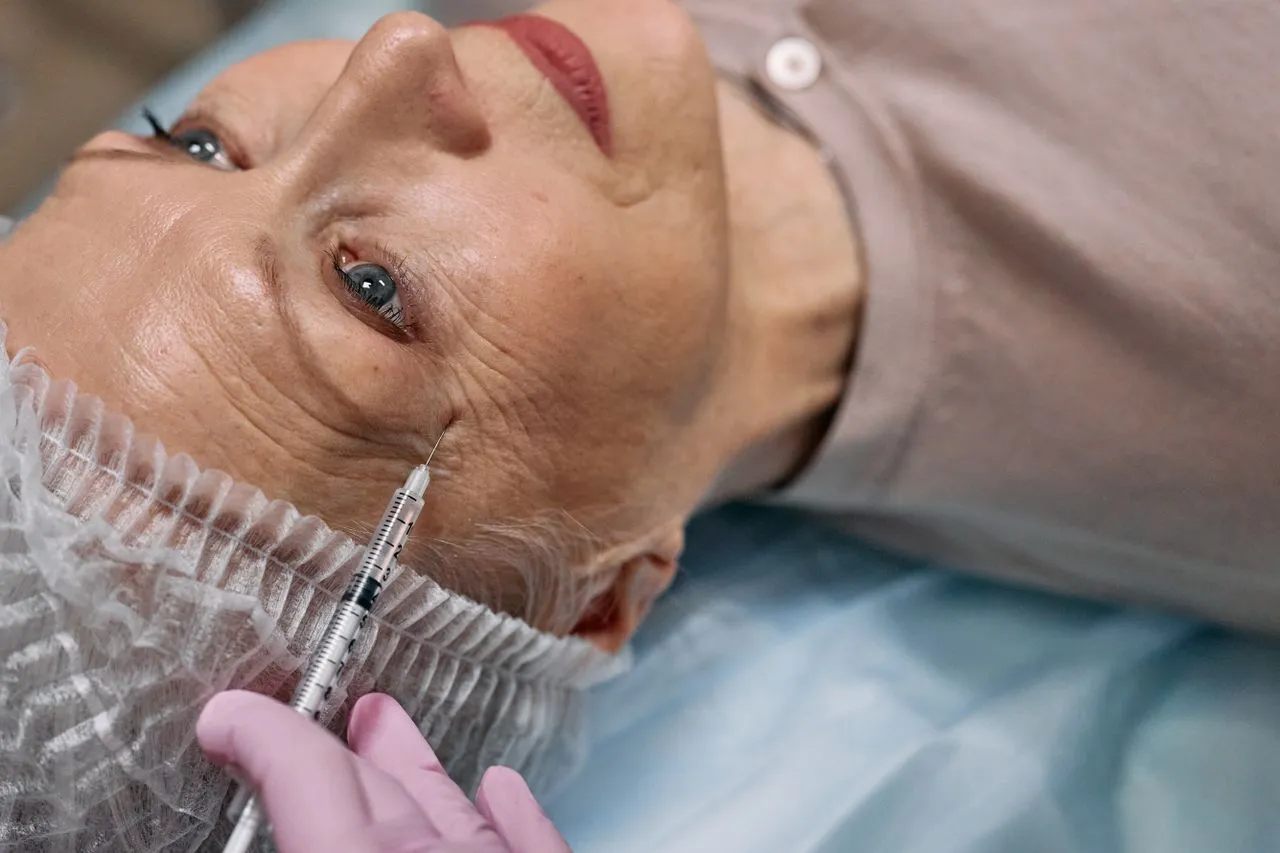
STARMING is an aesthetic filler developed in Japan and is designed around bio-inert technology. The company has highlighted preclinical safety findings and results from a pilot study reporting efficacy over a nine-year period in patients with Parry-Romberg syndrome, a rare condition that causes progressive loss of facial tissue.
Parry-Romberg syndrome, also known as progressive hemifacial atrophy, is a rare disorder characterised by the gradual deterioration of skin, fat, muscle and sometimes bone on one side of the face. The condition can cause significant facial asymmetry and may affect a patient’s appearance and quality of life.
Patients with this disorder may require specialised reconstructive and aesthetic interventions to address tissue loss and restore facial symmetry. The development of materials that can support tissue restoration and provide long-lasting aesthetic outcomes is therefore an important area of medical and biomaterial research.
According to GNCorp, the pilot study involving STARMING reported efficacy over nine years in the context of Parry-Romberg syndrome. The company believes these findings support further investigation of the technology for potential applications in aesthetic medicine.
However, additional clinical validation and regulatory evaluation would be necessary to establish its safety, effectiveness and suitability across broader patient populations and different medical applications.
Beyond its potential use in treating facial tissue volume loss, GNCorp has identified cosmetology applications, including the possibility of evaluating STARMING as a breast implant material. This represents a potential area for future research rather than an established or approved clinical indication.
The company intends to use its participation at MD&M West 2027 to introduce STARMING to the international medical device community and explore opportunities for further development, validation and commercial partnerships.
Alongside STARMING, GNCorp will present Festigel, a cell encapsulation agent developed for applications involving cell transplantation, tissue engineering and cell transportation.
Cell-based therapies and regenerative medicine are increasingly being investigated as approaches for repairing damaged tissues, restoring biological functions and treating conditions that may not respond adequately to conventional treatments.
One of the important challenges in these fields is maintaining the viability, structure and functional properties of cells during preparation, transportation and transplantation. Cell encapsulation materials can help provide a supportive environment for cells and facilitate their use in different therapeutic and research applications.
Festigel is intended to serve as a carrier for cells in various regenerative medicine and tissue engineering applications. The technology has been reported in several research studies involving different cell types and tissue applications.
These include investigations into urethral tissue reconstruction, corneal stem cell transplantation, liver cell transplantation, neurological applications, cartilage tissue engineering and the transportation of corneal tissues.
The range of reported applications highlights the potential versatility of cell encapsulation technologies in supporting research across multiple therapeutic areas.
GNCorp has highlighted several studies in which Festigel has been investigated as a carrier for cells and tissues. These studies cover different areas of regenerative medicine and experimental tissue engineering.
1. Male Urethral Stricture Treatment
One of the key applications associated with Festigel is BHES-HAUS, a cell-based therapeutic approach investigated for male urethral stricture.
Urethral stricture is a condition characterised by narrowing of the urethra, which can obstruct the normal flow of urine. It may result from trauma, inflammation, infection, previous medical procedures or other causes.
The condition can lead to difficulties with urination, urinary retention, recurrent infections and other complications. Depending on the severity, patients may require surgical procedures to restore normal urinary function.
BHES-HAUS has been developed in collaboration with the Sun Institute of Urology in India. The approach involves the use of buccal cells, which are cells obtained from the inner lining of the mouth, encapsulated using Festigel.
The reported research has examined the clinical application of BHES-HAUS in male urethral stricture, including morphological and immunohistochemical evidence of engraftment involving Festigel-encapsulated buccal cells.
These findings are relevant to ongoing research into cell-based approaches for reconstructive urology and tissue repair.
GNCorp has also highlighted that Festigel is used in the BEES HAUS cell therapy programme for male urethral stricture under Japan’s Act on the Safety of Regenerative Medicine.
This regulatory framework governs the provision of regenerative medicine in Japan and establishes requirements intended to support patient safety and the appropriate use of regenerative medical technologies.
2. Corneal Limbal Stem Cell Transplantation
Festigel has also been investigated as a carrier for corneal limbal stem cells used in transplantation approaches for ocular surface diseases.
The limbus is the region between the cornea and the white part of the eye. It contains specialised stem cells responsible for maintaining and regenerating the corneal surface.
Damage or loss of these cells can affect the normal repair and maintenance of the corneal epithelium, potentially resulting in impaired vision and other ocular complications.
Limbal stem cell transplantation is an important area of regenerative ophthalmology research because it aims to restore the population of cells required to maintain a healthy corneal surface.
The use of cell encapsulation materials such as Festigel may support investigations into cell delivery, transplantation and tissue regeneration.
3. Hepatocyte Encapsulation for Liver Failure
Another reported application involves the encapsulation of hepatocytes, the primary functional cells of the liver.
Hepatocytes perform several essential biological functions, including metabolism, detoxification, protein synthesis and the regulation of various biochemical processes.
Research involving hepatocyte encapsulation has explored approaches to supporting liver cell transplantation and potential regenerative strategies for patients with liver failure.
Festigel has been investigated as a carrier for hepatocytes in this research area, highlighting its potential relevance to experimental cell-based approaches for liver disease.
4. Bone Marrow Stromal Cells in Neurological Stroke Research
GNCorp has also identified research involving bone marrow stromal cells (BMSCs) encapsulated using Festigel for neurological applications related to stroke.
BMSCs are multipotent cells that have attracted interest in regenerative medicine because of their potential to support tissue repair and influence biological processes associated with inflammation and recovery.
Research into their use in neurological conditions has explored their potential role in supporting recovery following stroke and addressing damage to nervous system tissues.
Cell encapsulation technologies may provide additional opportunities to investigate the delivery and transplantation of these cells in experimental therapeutic settings.
5. Corneal Endothelial Tissue and Donor Corneal Transportation
Festigel has also been reported in applications involving corneal endothelial tissues and the transportation of donor corneal buttons.
The corneal endothelium is a specialised layer of cells that helps maintain corneal transparency by regulating fluid balance within the cornea. Damage to this layer can result in corneal swelling and impaired vision.
The preservation and transportation of donor corneal tissues are important components of corneal transplantation procedures.
Materials that support tissue handling and transportation may contribute to research aimed at improving the preservation of biological tissues for transplantation.
6. Cartilage Tissue Engineering and Cellular Ageing Research
Another area of investigation involves the use of Festigel in cartilage tissue engineering and in vitro studies examining the reversal of cellular ageing.
Cartilage is a specialised connective tissue that provides structural support and cushioning within joints. Because cartilage has limited natural regenerative capacity, injuries and degenerative conditions can be difficult to treat.
Tissue engineering approaches involving chondrocytes, the cells responsible for producing and maintaining cartilage, are being investigated as potential strategies for repairing damaged cartilage.
Festigel has been explored as a carrier in research involving chondrocytes and cartilage tissue engineering.
The technology has also been associated with in vitro investigations examining cellular ageing and potential reversal mechanisms. These findings represent research applications and require further validation before any broader therapeutic conclusions can be established.
The planned presentation at MD&M West follows an MoU between GNCorp and Trumed Medical Devices, an India-based medical device design and manufacturing organisation.
The collaboration is intended to support the manufacturing of Festigel and STARMING as medical devices, obtain the necessary regulatory approvals and establish opportunities for global commercialisation.
The partnership reflects GNCorp’s interest in expanding its manufacturing and distribution capabilities through international collaborations.
Trumed Medical Devices operates as a design-to-manufacturing platform focused on producing Class A, Class B and Class C medical devices for tertiary healthcare applications.
Its areas of activity include cardiac surgery and neurosurgery, two specialised medical fields that require advanced medical technologies, precision engineering and reliable manufacturing processes.
The organisation is led by Mr. H. Vijayakumar, a technopreneur with experience in developing and advancing medical innovations across international markets.
His work has involved transnational medical technology initiatives spanning Europe, the United States, Singapore and India. These activities include SPICTRA, an Indian science and technology project.
Through its manufacturing capabilities and experience in medical device development, Trumed is expected to support GNCorp’s efforts to establish a manufacturing and regulatory pathway for its technologies in India.
The agreement also provides a foundation for exploring the global marketing of Festigel and STARMING through licensing and commercialisation arrangements.
The collaboration could be particularly important for technologies that require specialised manufacturing processes, quality systems and compliance with different national medical device regulations.
GNCorp’s participation in MD&M West 2027 will provide an opportunity to introduce its technologies to medical device manufacturers, healthcare professionals, research organisations and potential commercial partners.
The company will exhibit at Booth 348 within the Yamanashi Prefectural Government pavilion, supported by the prefecture’s Medical Devices Promotions Division through its US entry support project.
The event will also feature a presentation at the Design Alley Theater on February 10, 2027, at 13:30 PST.
By presenting both STARMING and Festigel, GNCorp aims to highlight its activities across aesthetic medical technologies, biomaterials, cell encapsulation and regenerative medicine.
The exhibition is expected to provide an opportunity to discuss potential collaborations, licensing arrangements, manufacturing partnerships and distribution opportunities with organisations interested in advanced medical technologies.
Participation in an international medical device exhibition is also an important step in understanding market requirements, connecting with industry stakeholders and exploring pathways for introducing Japanese-developed innovations into additional healthcare markets.
GN Corporation is a Japan-based healthcare technology company that develops innovative medical solutions based on original Japanese technologies. The company operates through a global network of collaborators and focuses on advancing technologies with potential applications across specialised healthcare sectors.
Its activities involving Festigel and STARMING reflect an interest in developing solutions for unmet needs in regenerative medicine, medical biomaterials and aesthetic healthcare.
The collaboration with the Sun Institute of Urology in India on BHES-HAUS demonstrates the company’s international research and development approach. The partnership with Trumed Medical Devices further supports its efforts to establish manufacturing and commercialisation opportunities outside Japan.
GNCorp is interested in expanding the global presence of both Festigel and STARMING through licensing opportunities with like-minded organisations and distributors worldwide.
The company is seeking partners capable of supporting product development, regulatory approval, manufacturing, distribution and market access in different regions.
The USPTO Notice of Allowance for STARMING, together with GNCorp’s planned presentation of Festigel at MD&M West 2027, represents an important development in the company’s international expansion strategy.
The two technologies address different but complementary areas of healthcare innovation. STARMING is being developed as a bio-inert implant with potential applications in aesthetic medicine and rare disease-related tissue restoration, while Festigel is being investigated as a cell encapsulation agent for regenerative medicine and tissue engineering.
The manufacturing collaboration with Trumed Medical Devices adds another dimension to the company’s strategy by creating opportunities to develop production capabilities and pursue regulatory approvals in India.
Meanwhile, support from Yamanashi Prefecture provides a platform for introducing these technologies to the US medical device market.
As research into regenerative medicine, cell-based therapies and advanced biomaterials continues to expand, technologies that support cell delivery, tissue reconstruction and specialised medical applications are attracting growing interest.
Through its research collaborations, intellectual property development, manufacturing partnerships and international licensing strategy, GNCorp aims to strengthen the global footprint of Festigel and STARMING and explore opportunities to bring its Japanese-developed healthcare technologies to additional markets.