



Zoetis has announced that the U.S. Department of Agriculture (USDA) has issued a conditional license for Borrelia Burgdorferi Bacterial Extract (BBBE), the first-and-only Lyme disease vaccine labeled for use in horses aged six months and older. The regulatory milestone represents an important development in equine health, providing veterinarians with a new preventive option for a disease that has historically presented challenges in diagnosis and treatment.
The vaccine was developed specifically for horses and reflects decades of research and development by Zoetis, a global animal health company. Its introduction addresses a long-standing unmet need in veterinary medicine as concerns about tick exposure and tick-borne diseases continue to grow across the United States.
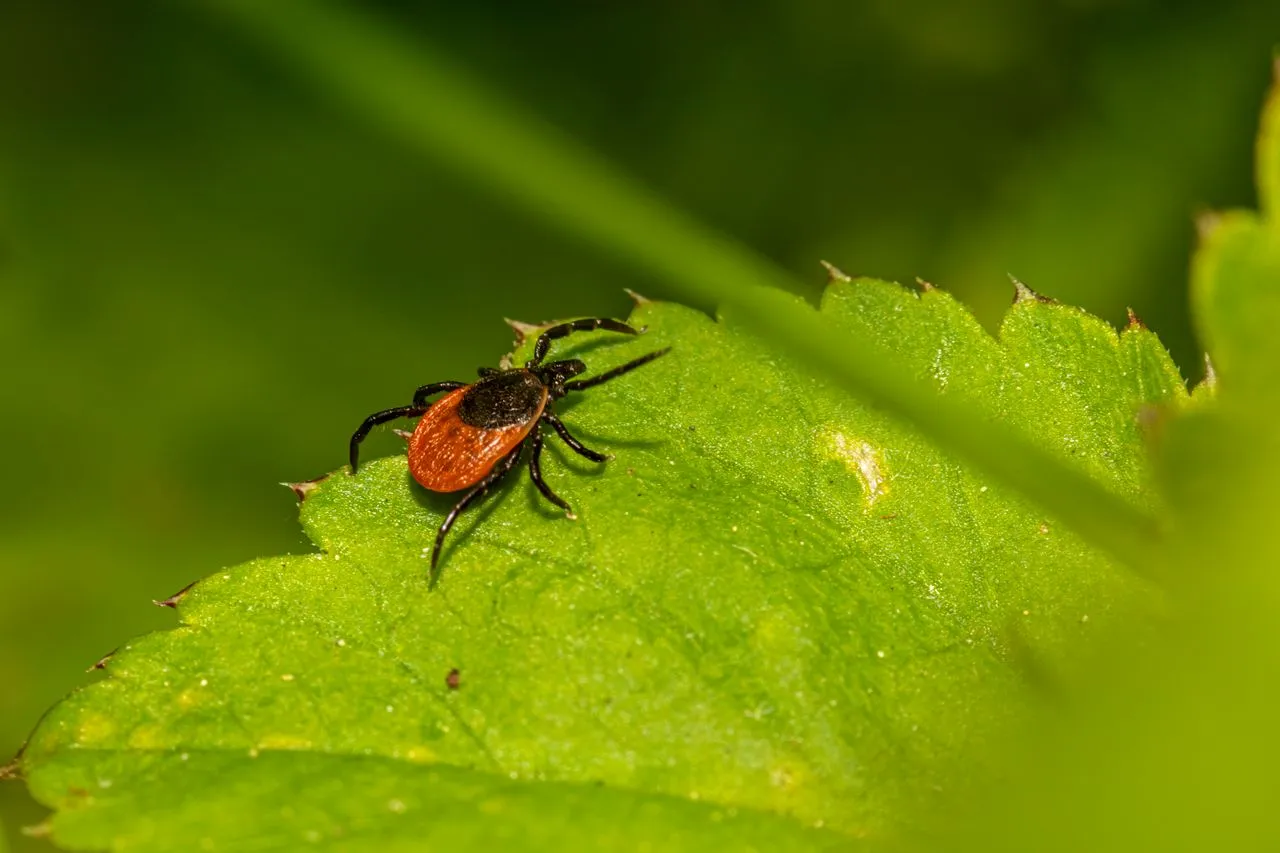
Lyme disease is caused by the bacterium Borrelia burgdorferi and is transmitted to horses through the bite of infected blacklegged ticks, also known as deer ticks. Horses may encounter infected ticks in a variety of environments, including pastures, wooded areas, trails and other locations where tick populations are established. Exposure can occur during routine turnout, trail riding, travel, competition and other outdoor activities.
As tick populations expand nationally, the risk of exposure is becoming an increasingly important consideration for horse owners and veterinary professionals. The availability of an equine-specific vaccine gives veterinarians another option to consider when developing preventive healthcare plans for horses.
BBBE was designed using recombinant technology, two antigen targets and an equine-specific dual adjuvant system. According to Zoetis, controlled research demonstrated that vaccination significantly reduced pathogen levels, disease severity and signs of infection. The vaccine also generated strong antibody responses in horses.
The USDA’s conditional licensing decision marks a significant step in bringing this technology into veterinary practice. However, the product’s conditional status is important: its potency has not been fully demonstrated. Vaccination decisions should therefore be made in consultation with a licensed veterinarian, taking into account each horse’s health status and potential exposure risks.
Lyme disease is an important tick-borne infection affecting multiple species, including humans, dogs and horses. It is considered a One Health concern because the health of people, animals and the environments they share are closely connected.
For horses, exposure to infected ticks can occur in areas where blacklegged ticks are present. These ticks may be encountered in grassy, wooded and brush-covered environments, making outdoor activities and pasture management relevant considerations for owners.
Horses may be exposed while grazing, exercising, travelling to events or spending time in locations where ticks are active. Because exposure can occur during ordinary activities, preventing tick-borne disease requires attention to environmental risks and veterinary-guided preventive care.
Lyme disease has historically been challenging to diagnose and manage in horses. Clinical signs can vary, and identifying whether an animal’s symptoms are associated with Borrelia burgdorferi may require veterinary assessment and appropriate diagnostic testing. This complexity can make prevention an important part of equine health management.
The introduction of BBBE is intended to help address this challenge by providing a vaccine formulated specifically for horses. Rather than relying on a product developed for another animal species, the vaccine incorporates an equine-specific formulation and adjuvant system designed to support an immune response against the bacterium responsible for Lyme disease.
The conditional license gives veterinarians a new preventive tool to discuss with horse owners, particularly when evaluating animals that may have regular exposure to tick habitats. The product is labeled for healthy horses aged six months and older.
The USDA’s conditional license for BBBE represents an important regulatory development for Zoetis and the equine veterinary community. It establishes the vaccine as the first-and-only Lyme disease vaccine labeled for horses in the United States.
Conditional licensing is distinct from a full demonstration of product potency. Zoetis states that BBBE has been conditionally licensed by the USDA and that potency has not been fully demonstrated. This qualification should be considered when veterinarians and horse owners evaluate the vaccine as part of an overall preventive healthcare strategy.
The product’s approval pathway and its equine-specific design reflect the company’s effort to apply species-focused research to animal health challenges. By developing a vaccine specifically for horses, Zoetis aims to address the biological and clinical requirements of this species rather than assuming that formulations designed for other animals will provide the same response.
The vaccine’s development also highlights the role of collaboration between veterinary researchers, immunologists and animal health companies in translating scientific findings into practical preventive products.
Commenting on the regulatory milestone, Dr. Richard Marconi, Ph.D., professor of microbiology and immunology at Virginia Commonwealth University School of Medicine, emphasized the importance of prevention and scientific collaboration in addressing tick-borne infections.
“The USDA’s conditional licensing of BBBE is an important milestone for the equine community and a meaningful step forward in Lyme disease prevention,” Marconi said.
He noted that his work on Lyme disease and other tick-borne infections has reinforced the importance of a One Health perspective that recognizes the connections among people, animals and the environments they share.
Marconi also highlighted the role of sustained research and scientific collaboration in converting complex biological knowledge into advances in animal health. He described BBBE as an example of this progress, noting that the vaccine was developed specifically for horses and provides veterinarians with a new option to consider as part of comprehensive preventive care.
BBBE was developed specifically for horses using recombinant technology and an equine-focused formulation. The vaccine incorporates two antigen targets, OspA and OspC, along with an equine-specific dual adjuvant system designed to help support an immune response against Borrelia burgdorferi.
Antigens are substances recognized by the immune system and can stimulate an immune response. OspA and OspC are proteins associated with the bacterium responsible for Lyme disease. By incorporating these two targets, BBBE is designed to support immune recognition of the pathogen.
The vaccine’s dual adjuvant system is intended to support the immune response generated by the formulation. Adjuvants are components used in certain vaccines to help enhance or shape the body’s response to vaccine antigens.
Zoetis reported that controlled research demonstrated significant reductions in pathogen levels, disease severity and signs of infection among vaccinated horses. The studies also showed strong antibody responses, providing evidence of an immune response following vaccination.
The company further compared BBBE with vaccines formulated for dogs and shorter, two-dose vaccination protocols. According to the reported research, the selected three-dose BBBE regimen generated a significantly more robust antibody response in horses than the comparison approaches.
Laboratory assays also demonstrated significantly greater activity against the bacterium that causes Lyme disease. These findings supported the selection of the equine-specific formulation and three-dose regimen for the product.
The research findings are relevant because vaccine responses can differ between animal species. Differences in immune system characteristics, formulation requirements and vaccination schedules mean that products developed for one species may not necessarily produce the same response in another.
By developing BBBE specifically for horses, Zoetis aims to provide a preventive product supported by research focused on equine immune responses.
According to the product information, BBBE is conditionally licensed for vaccination of healthy horses aged six months and older against Borrelia burgdorferi, the bacterium that causes Lyme disease.
The recommended vaccination series consists of three doses of 1 mL each, administered intramuscularly at three-week intervals. Horse owners should work with a licensed veterinarian to determine whether vaccination is appropriate and to follow the recommended schedule.
The three-dose regimen reflects the vaccination approach selected during the product’s development. Zoetis reported that this schedule produced a significantly stronger antibody response in horses compared with shorter, two-dose protocols evaluated in research.
The product’s conditional license also means that potency has not been fully demonstrated. This qualification should be clearly understood by veterinary professionals and horse owners when considering the vaccine. The decision to vaccinate should be based on professional veterinary advice and an assessment of the individual animal.
Zoetis has provided additional product information through its equine Lyme disease website, ZoetisEquineLyme.com.
The development of BBBE is part of Zoetis’ wider strategy to address animal health challenges through research and species-specific technologies. The company has emphasized that effective innovation begins with understanding the unmet medical needs of customers and applying scientific knowledge of health and disease to develop appropriate solutions.
Kevin Esch, D.V.M., M.P.H., Ph.D., Dipl. ACVP, Executive Vice President and President of Research & Development at Zoetis, highlighted the importance of preventive care as tick populations expand and Lyme disease remains a growing One Health concern.
“Meaningful innovation starts with understanding our customers’ unmet medical needs, matched with comprehensive scientific understanding of health and disease,” Esch said.
“With Lyme disease a growing One Health concern, and tick populations expanding, proactive, veterinary-guided preventive care is increasingly important. At Zoetis, our commitment to prevention is reflected across our broad animal health portfolio and in the way we apply species-specific science and expertise to address evolving health challenges.”
The company’s approach includes developing products for different animal species and disease risks, recognizing that preventive strategies need to account for the specific health requirements of each animal.
Zoetis’ equine Lyme disease vaccine adds to a broader portfolio of companion animal and livestock health products. The company’s existing companion animal solutions include vaccines, parasiticides and diagnostics intended to address a range of infectious and parasitic disease risks.
For dogs, the portfolio includes Simparica Trio (sarolaner, moxidectin and pyrantel chewable tablets), which combines protection against several parasites and diseases in a single product.
Simparica Trio was the first product approved by the U.S. Food and Drug Administration (FDA) to provide all-in-one protection for dogs against heartworm disease, ticks, fleas, roundworms and hookworms. It also prevents flea tapeworm infections by killing the vector fleas responsible for transmission.
The product is indicated for the prevention of Borrelia burgdorferi infections as a direct result of killing deer ticks, also known as blacklegged ticks. This provides a different approach to Lyme disease prevention in dogs by targeting the tick vector responsible for transmitting the bacterium.
Zoetis also offers Vanguard crLyme, described by the company as the first multivalent recombinant Lyme disease vaccine for dogs. This product adds a vaccination-based preventive approach to the company’s canine Lyme disease portfolio.
For cats, Zoetis offers Revolution Plus (selamectin and sarolaner topical solution), which provides protection against a range of parasites. Its labeled uses include protection against fleas, ticks, ear mites, roundworms, hookworms and heartworm disease. It also prevents flea tapeworm infections by killing vector fleas.
Together, these products demonstrate how Zoetis applies different preventive strategies across species. While BBBE is specifically designed for horses, the company’s companion animal portfolio includes products addressing tick exposure and other parasite-related health risks in dogs and cats.
Zoetis has also provided important safety information for its companion animal products.
For Simparica Trio, the company advises using the product with caution in dogs with a history of seizures. The medicine contains sarolaner, which belongs to the isoxazoline class. This class has been associated with neurological adverse reactions, including tremors, ataxia and seizures, in dogs with or without a history of neurological disorders.
The safe use of Simparica Trio has not been evaluated in breeding, pregnant or lactating dogs. The most frequently reported adverse reactions in clinical trials were vomiting and diarrhea. Veterinarians and dog owners should consult the full prescribing information at SimparicaTrioPI.com.
Simparica Trio is indicated for the prevention of heartworm disease caused by Dirofilaria immitis. It is also indicated for the treatment and control of specified roundworm and hookworm infections. The product kills adult fleas and is used for the treatment and prevention of flea infestations, as well as the prevention of Dipylidium caninum tapeworm infections resulting from the killing of vector fleas.
Its labeled tick indications include treatment and control of infestations involving the lone star tick, Gulf Coast tick, American dog tick, black-legged tick, brown dog tick and Asian longhorned tick for one month in dogs and puppies aged eight weeks and older that weigh at least 2.8 pounds. The product is also indicated for prevention of Borrelia burgdorferi infections as a direct result of killing Ixodes scapularis vector ticks.
For Revolution Plus, the safe use of the product has not been established in kittens younger than eight weeks or in breeding, pregnant or lactating cats. Reported side effects in clinical trials included lethargy and anorexia.
Revolution Plus should be used with caution in cats with a history of neurological disorders. Like Simparica Trio, it contains sarolaner, an isoxazoline that has been associated with neurological adverse reactions such as tremors, ataxia and seizures in cats with or without a history of neurological disorders. The product may also irritate human skin and eyes. Users should consult the full prescribing information at RevolutionPlusPI.com.
Revolution Plus is indicated for the prevention of heartworm disease, treatment and control of specified roundworm and intestinal hookworm infections, and treatment and control of ear mite infestations. It also kills adult fleas and is indicated for the treatment and prevention of flea infestations, prevention of flea tapeworm infections through the killing of vector fleas, and treatment and control of specified tick infestations for one month in cats and kittens aged eight weeks and older that weigh at least 2.8 pounds.
The introduction of BBBE highlights the growing importance of preventive strategies in veterinary medicine as tick-borne diseases continue to receive attention across animal and human health sectors.
The One Health approach recognizes that disease risks can be influenced by interactions among animals, people and shared environments. Tick populations and the pathogens they carry can affect multiple species, making coordinated research and prevention strategies important.
For horse owners, this means considering vaccination alongside other veterinary-guided measures, such as monitoring for ticks, managing exposure to tick-prone environments and seeking veterinary advice when health concerns arise. No single preventive measure should be considered a substitute for an overall healthcare plan tailored to an individual animal.
With its USDA conditional license, BBBE provides veterinarians with a new equine-specific Lyme disease vaccine option. The product’s development reflects Zoetis’ investment in research designed to address the distinct biological needs of different animal species.
As the company continues to expand its portfolio across equine, companion animal and livestock health, the conditional licensing of BBBE represents an important milestone in its efforts to advance preventive veterinary care through scientific innovation.
About Zoetis
Zoetis is the world’s leading animal health company, driven by a singular purpose: to nurture our world and humankind by advancing care for animals. With a legacy of nearly 75 years, Zoetis continues to pioneer ways to predict, prevent, detect, and treat animal illness, supporting veterinarians, livestock producers, and pet owners in over 100 countries. We integrate deep scientific expertise, data-driven R&D, advanced manufacturing, and commercial excellence to deliver meaningful innovation across medicines, vaccines, diagnostics, biopharmaceuticals, and digital solutions. Guided by our vision to be the most trusted and valued animal health company, Zoetis is committed to setting new standards for the future of animal care through innovation, customer obsession, and purpose-driven colleagues.