



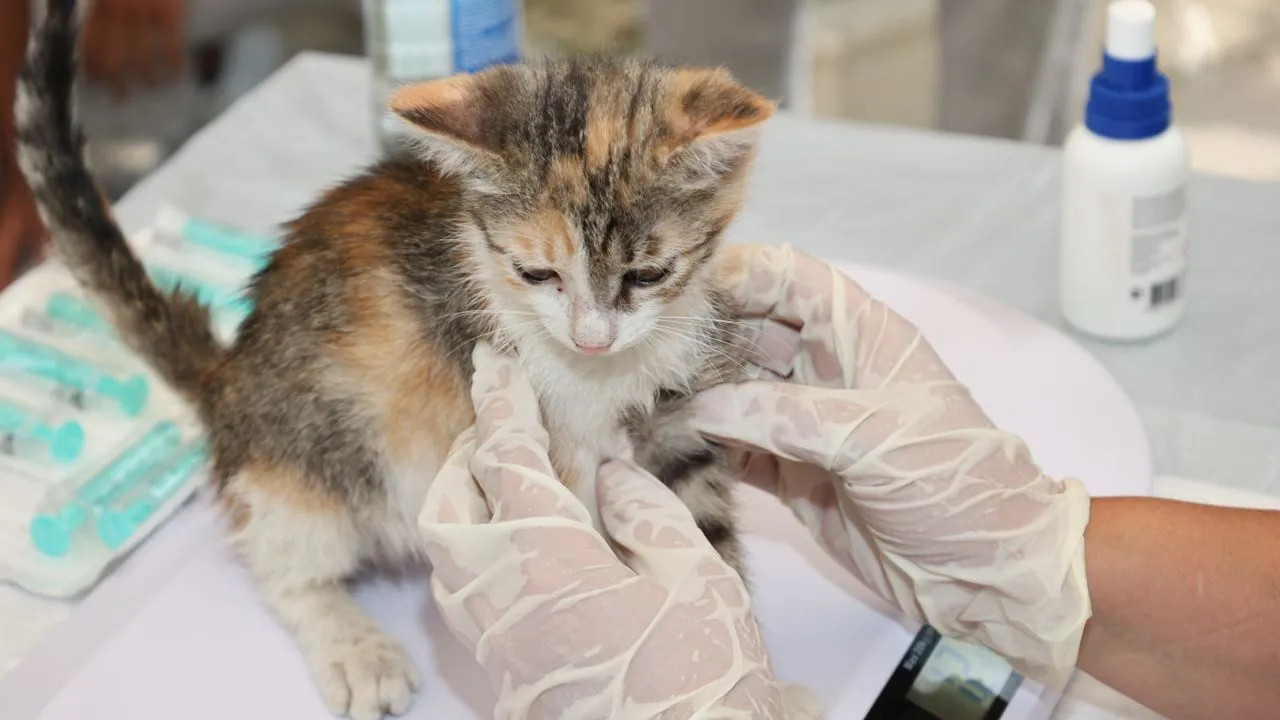
ANTECH Laboratories, a veterinary-owned and led reference laboratory based in Massy, France, announced the advancement on November 27, 2026. The innovation represents an important development in veterinary clinical diagnostics, particularly for a disease such as FIP, which remains one of the most serious viral conditions affecting domestic cats. By making AGP measurement possible on a standard biochemistry analyzer, ANTECH aims to make this important biomarker more accessible to veterinary professionals while improving the efficiency of laboratory testing.
The scientific validation supporting the advancement has been published in the peer-reviewed Journal of Veterinary Clinical Pathology. The publication describes the validation of the AGP testing method and provides scientific support for its use in veterinary diagnostic laboratories. The achievement highlights ANTECH’s ongoing commitment to advancing laboratory technologies and developing practical diagnostic solutions that address important challenges in animal healthcare.
Feline infectious peritonitis is a serious disease in cats associated with feline coronavirus infection. Although feline coronavirus is relatively common, FIP develops in a smaller proportion of infected cats following changes in the virus that enable it to cause a severe inflammatory disease. The condition can affect multiple organs and may lead to significant clinical complications if it is not identified and treated appropriately.
Historically, FIP has been associated with poor outcomes, making timely diagnosis and appropriate treatment decisions particularly important. The disease can present with a wide range of clinical signs, which may include persistent fever, reduced appetite, weight loss, lethargy, abdominal enlargement, fluid accumulation, and neurological or ocular abnormalities.
Diagnosing FIP can be challenging because no single laboratory test is sufficient to confirm or exclude every suspected case. Veterinarians generally rely on a combination of clinical examination, patient history, laboratory investigations, and additional diagnostic procedures to establish the likelihood of disease.
Common diagnostic approaches include polymerase chain reaction (PCR) testing, cytological examination, biochemical analysis, and other laboratory investigations. These methods provide complementary information that helps veterinarians evaluate suspected FIP cases and distinguish the disease from other conditions with similar clinical presentations.
Within this diagnostic process, Alpha-1-Acid Glycoprotein has gained recognition as an important inflammatory biomarker. Measuring AGP concentrations can provide additional information about the inflammatory response associated with FIP and help strengthen clinical suspicion when interpreted alongside other diagnostic findings.
ANTECH’s latest advancement is designed to improve the accessibility and practicality of this measurement by enabling the test to be conducted using a standard reference laboratory biochemistry analyzer.
One of the most important aspects of ANTECH’s development is the successful validation of the AGP test on a conventional reference laboratory biochemistry analyzer.
Previously, AGP measurement could involve testing approaches that were less convenient for routine laboratory processing and broader testing availability. By adapting and validating the test for a standard biochemistry analyzer, ANTECH has introduced a more practical approach that can support higher testing volumes and more efficient laboratory workflows.
The validation is expected to provide several advantages for veterinary diagnostic services.
First, the use of standard laboratory equipment can improve the scalability of AGP testing. Reference laboratories already equipped with appropriate biochemistry analyzers can incorporate the validated method into their diagnostic operations, supporting more efficient processing of samples.
Second, the approach offers improved precision and reliability in measuring AGP concentrations. Reliable biomarker measurements are particularly important when veterinarians are evaluating suspected FIP cases, where diagnostic decisions may depend on interpreting several clinical and laboratory findings together.
Third, faster processing can help veterinary professionals obtain relevant diagnostic information more efficiently. In suspected FIP cases, timely access to laboratory results can support earlier clinical assessments and help veterinarians determine whether additional investigations or treatment interventions are appropriate.
The improved accessibility of AGP testing may also contribute to greater affordability for veterinary professionals and their clients. By making the test easier to perform at scale, ANTECH aims to expand its availability across its laboratory network and support more widespread use of this valuable biomarker.
Importantly, the test is intended to support the overall diagnostic process rather than replace established diagnostic methods. Veterinarians must continue to interpret AGP results in combination with clinical findings, epidemiological information, and other laboratory investigations.
In addition to its diagnostic applications, the validated AGP test offers an important opportunity to improve the monitoring of cats receiving treatment for FIP.
Monitoring treatment response is a critical part of managing the disease. Veterinarians need to evaluate whether a patient’s clinical condition is improving, whether inflammation is resolving, and whether the treatment approach is producing the expected response.
AGP measurement can provide useful information about changes in the inflammatory response over time. By measuring concentrations during treatment, veterinary professionals can assess whether inflammation is decreasing and compare laboratory findings with the patient’s clinical progress.
This information may help veterinarians distinguish between clinical recovery and remission, supporting more informed decisions about treatment management.
The ability to monitor AGP levels using a standard biochemistry analyzer may also make repeated measurements more practical. Consistent monitoring can help veterinary professionals identify changes in inflammatory activity and assess whether the patient is responding appropriately to antiviral treatment.
Another potential benefit is the opportunity to support more individualised treatment strategies. FIP treatment duration and monitoring requirements can vary depending on the patient’s clinical presentation, response to therapy, and other relevant factors.
By providing an accessible inflammatory biomarker, ANTECH’s test could contribute to improved treatment assessment and help veterinarians make better-informed decisions about treatment protocols.
The long-term objective is to support the development of more standardised monitoring practices that may help optimise antiviral treatment courses without compromising the likelihood of recovery. However, decisions about treatment duration must remain based on comprehensive veterinary assessment and appropriate clinical evidence.
The advancement reflects collaboration between ANTECH Laboratories and the National Veterinary College of Alfort (École Nationale Vétérinaire d’Alfort), a French veterinary educational and research institution.
The collaboration contributed to the scientific validation and development of the AGP testing approach, demonstrating the importance of partnerships between veterinary diagnostic laboratories and academic research organisations.
The innovation received the AFVAC Innovation Award in 2025 in recognition of its contribution to veterinary healthcare.
The award was presented in collaboration with École Nationale Vétérinaire d’Alfort and was voted on by veterinarians attending the annual congress of AFVAC (Association Française des Vétérinaires pour Animaux de Compagnie).
Recognition through the AFVAC Innovation Award highlights the clinical relevance of improving AGP testing and the potential value of making this biomarker more accessible to veterinary professionals.
It also reflects the growing importance of laboratory innovation in companion animal medicine, where advances in diagnostic methods can support earlier disease identification, more effective monitoring, and improved clinical decision-making.
Kristina Museaux, Medical Director at ANTECH Laboratories, highlighted the significance of making AGP measurement possible using a standard biochemistry analyzer.
She explained that the advancement represents a major step forward for feline health because it enables veterinarians to use AGP testing more efficiently for both FIP diagnosis and treatment monitoring.
According to Museaux, the development demonstrates ANTECH’s continued commitment to innovation and its efforts to provide veterinary professionals with practical tools that can improve the quality of pet healthcare.
She also emphasised that the achievement supports the company’s broader purpose of contributing to a better world for pets by helping veterinary professionals make more informed decisions and improve patient outcomes.
Morgane Canonne, Enseignant Chercheur at École Nationale Vétérinaire d’Alfort and a co-author of the validation study, discussed the diagnostic and therapeutic significance of AGP measurement.
Canonne explained that AGP has become a readily accessible biomarker that can be measured in serum, plasma, and effusion samples. When interpreted in the context of a patient’s clinical presentation and epidemiological background, AGP concentrations can strengthen suspicion of FIP.
Higher AGP concentrations in cats displaying clinical signs consistent with the disease may provide stronger supporting evidence for a diagnosis. Consequently, AGP measurement can be a valuable component of the diagnostic process and may help veterinarians make decisions about initiating antiviral treatment at an early stage.
However, Canonne also emphasised the importance of understanding the limitations of the biomarker.
In particular, an AGP concentration within the reference interval or only slightly above it should not automatically be interpreted as evidence against FIP. This is especially important in cats presenting during the early stages of the disease or those with neurological manifestations.
Such cases may require additional diagnostic investigations and careful interpretation of all available clinical information. Therefore, AGP should be considered a supportive diagnostic tool rather than an independent method for ruling out FIP.
Beyond diagnosis, Canonne highlighted the usefulness of AGP measurement for monitoring treatment response. Changes in AGP concentrations can help veterinarians evaluate inflammatory activity throughout the treatment period and provide additional information about the patient’s progress.
She also noted that further development and standardisation of AGP testing could help individualise patient monitoring, improve treatment protocols, and potentially contribute to shorter antiviral treatment courses while maintaining the likelihood of successful recovery.
ANTECH Laboratories has made the validated AGP test available to its laboratory customers across France and Belgium.
The testing method has been designed with practical sample collection and laboratory processing requirements in mind. It requires only 0.5 mL of sample, making it suitable for veterinary diagnostic workflows where efficient sample collection is important.
The test can be performed using three sample types:
The availability of multiple sample types provides veterinary professionals with flexibility when selecting the appropriate material for laboratory investigation.
Effusion fluid can be particularly relevant in cats presenting with fluid accumulation, while serum and plasma samples can support testing in other clinical circumstances.
The relatively small sample requirement may also help simplify testing for veterinary teams and reduce the practical challenges associated with collecting sufficient material for laboratory analysis.
Through its laboratory network, ANTECH aims to provide veterinary professionals with access to the validated test as part of its broader diagnostic services.
As part of its continued engagement with the veterinary community, ANTECH will exhibit at the AFVAC congress in Lille, France, from November 26 to 28, 2026.
The company will be present at stand D21, where veterinary professionals attending the event can learn more about its diagnostic capabilities, laboratory services, and scientific developments.
AFVAC provides an important platform for veterinary professionals, researchers, and industry organisations to exchange knowledge, discuss clinical advancements, and explore innovations in companion animal healthcare.
ANTECH’s participation offers an opportunity to highlight the practical benefits of its validated AGP testing method and its potential contribution to FIP diagnosis and treatment monitoring.
The validation of AGP testing on a standard reference laboratory biochemistry analyzer represents an important development in veterinary clinical pathology. By improving the precision, scalability, and processing efficiency of an established inflammatory biomarker test, ANTECH Laboratories is addressing practical challenges associated with diagnosing and monitoring FIP.
The advancement is particularly relevant because FIP diagnosis requires a comprehensive assessment of clinical and laboratory findings. Making AGP testing more accessible could provide veterinarians with additional information to support diagnostic decisions, evaluate inflammatory activity, and monitor treatment progress.
The collaboration with École Nationale Vétérinaire d’Alfort, publication of the peer-reviewed validation study, and recognition through the 2025 AFVAC Innovation Award further demonstrate the scientific and clinical significance of the development.
With the test now available to customers across France and Belgium, ANTECH is expanding access to an additional diagnostic resource for feline healthcare.
As veterinary medicine continues to advance, innovations that improve laboratory testing and treatment monitoring will remain important in supporting earlier clinical intervention and better-informed patient management. ANTECH’s AGP testing advancement represents a step toward more accessible and standardised FIP diagnostics, with the broader objective of helping veterinarians improve healthcare outcomes for cats.
About ANTECH
Antech is a global veterinary diagnostics company driven by its passion for innovation that helps veterinarians deliver better animal health outcomes. Antech products and services span a wide network of reference laboratories across the globe; in-house diagnostic laboratory instruments and consumables, including rapid assay diagnostic products and digital cytology services; local and cloud-based data services; practice information management software and related software and support; veterinary imaging and technology; veterinary professional education and training; and board-certified specialist support services. For more information, please visit antechdiagnostics.fr.