


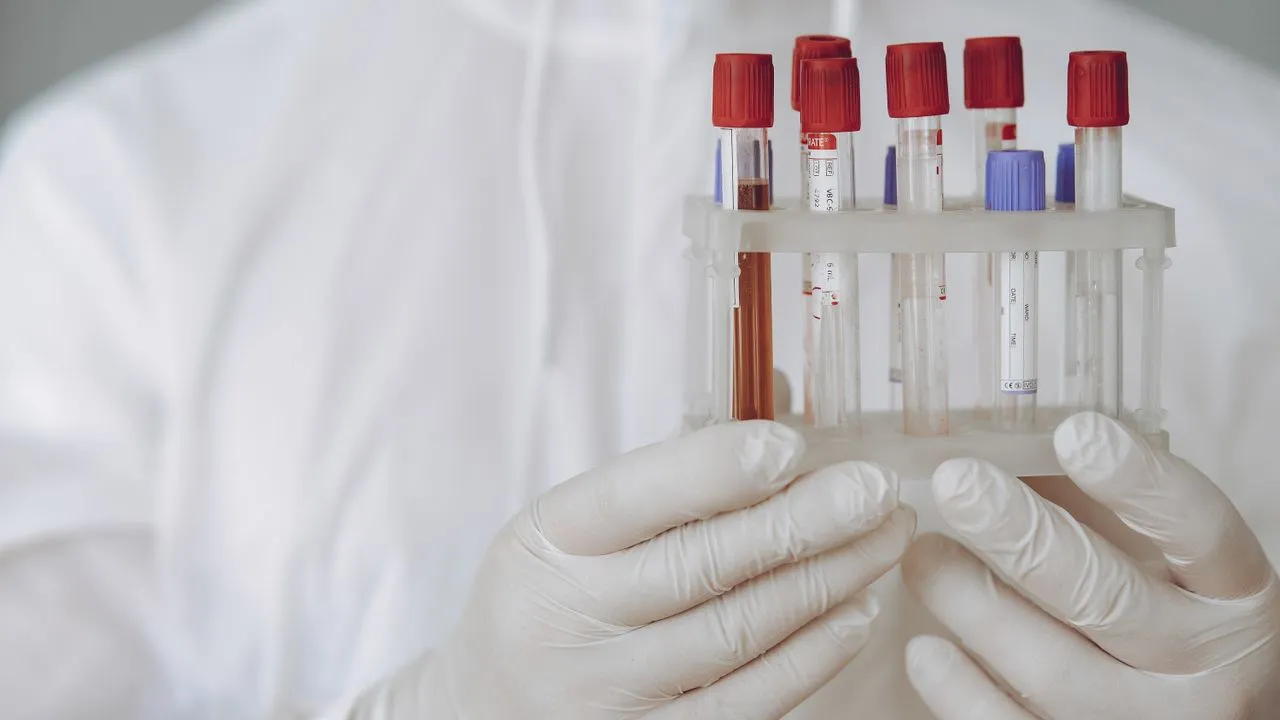
Pattern Bioscience, an innovator in rapid diagnostic technologies for bacterial infections, has announced that its Pneumonia ID/AST Panel is now undergoing evaluation at five clinical microbiology laboratories across the United States. The evaluations are being conducted through the company’s Early Evaluation Program (EEP), which is designed to provide clinical laboratory professionals and their healthcare partners with practical experience using Pattern’s diagnostic platform in real-world laboratory environments.
The initiative represents an important step in the company’s efforts to advance its rapid diagnostic technology toward potential commercial introduction. Through the Early Evaluation Program, Pattern Bioscience aims to understand how its Pneumonia ID/AST Panel can be incorporated into existing laboratory workflows, assess the usability of the platform, and gather feedback from professionals who routinely perform clinical microbiology testing.
The participating laboratories include laboratory directors, medical laboratory scientists, and their clinical partners, who will have the opportunity to gain hands-on experience with the technology within their own facilities. Their feedback will help Pattern understand the practical considerations involved in implementing the system, including workflow requirements, operational integration, and usability.
The company expects the findings and experiences gathered through the programme to support its commercial development strategy and provide additional information about the potential benefits of its diagnostic platform.
Pattern Bioscience also confirmed that additional laboratories are currently in the planning phase for participation in the programme. The company anticipates expanding the Early Evaluation Program over the coming months as it continues working with clinical microbiology laboratories across the country.
The Early Evaluation Program is an important component of Pattern Bioscience’s strategy to prepare its Pneumonia ID/AST Panel for potential introduction into clinical laboratory settings.
Introducing a new diagnostic technology into a clinical microbiology laboratory requires more than demonstrating its analytical capabilities. Laboratories must also determine whether the technology can fit into existing testing processes, how it will affect operational workflows, and whether laboratory professionals can use the system effectively.
Clinical microbiology laboratories support physicians and healthcare teams by identifying infectious pathogens and providing information that helps guide antimicrobial treatment decisions. Their testing processes must deliver reliable results while meeting operational requirements and supporting timely clinical decision-making.
Pattern’s evaluation initiative is designed to gather feedback directly from the professionals responsible for these activities.
By allowing participating laboratories to assess the platform in their own environments, the company can better understand the practical requirements associated with implementing the technology. This includes evaluating how the testing process may fit within existing laboratory operations and identifying potential adjustments that could improve usability.
The programme also provides an opportunity to collect additional information about the platform’s potential impact on clinical microbiology workflows.
Carey-Ann Burnham, PhD, Chief Executive Officer of Pattern Bioscience, emphasized the importance of collaboration with the participating evaluation sites.
She expressed appreciation for the laboratories working with the company and highlighted the value of understanding how the Pattern system can be integrated into routine laboratory operations.
According to Burnham, these collaborations will help the company learn more about laboratory workflow integration while generating additional data to quantify the potential impact of its technology.
The company’s approach reflects the importance of incorporating laboratory feedback early in the development and commercialization process. Understanding the operational needs of clinical laboratories can help diagnostic technology developers refine their products and prepare for broader adoption.
The development of rapid pneumonia diagnostics addresses an important challenge in infectious disease management.
Pneumonia is a leading cause of sepsis and is associated with some of the highest mortality rates among sepsis-related infections. The condition can result from bacterial pathogens that cause inflammation and infection in the lungs, potentially leading to severe complications in vulnerable patients.
Patients with serious pneumonia may require hospitalization, intensive care, and immediate antimicrobial treatment. In these situations, identifying the organism responsible for the infection and determining which antibiotics are likely to be effective are essential components of clinical management.
However, conventional microbiology testing methods can take several days to provide complete diagnostic information.
Traditional culture-based approaches generally require approximately two to four days to identify the causative pathogen and determine its antimicrobial susceptibility profile. During this period, clinicians may have limited microbiological information available to guide treatment decisions.
As a result, physicians may initially rely on empirical antibiotic therapy based on the patient’s clinical presentation, medical history, and suspected infection.
Although empirical treatment can be necessary when patients require immediate intervention, the absence of timely pathogen identification and susceptibility information can create challenges for treatment optimization.
Delays in obtaining laboratory results may contribute to prolonged intensive care unit (ICU) stays, suboptimal antibiotic use, and increased opportunities for antimicrobial resistance to spread.
These challenges highlight the need for diagnostic technologies capable of delivering actionable microbiological information more quickly.
Rapid pathogen identification and antimicrobial susceptibility testing could help healthcare teams obtain important information earlier in the treatment process, supporting more informed antibiotic selection and improved antimicrobial stewardship.
Pattern Bioscience’s Pneumonia ID/AST Panel is being developed to address the time limitations associated with conventional culture-based diagnostic methods.
The panel is designed to provide two important categories of information required for the diagnosis and treatment of bacterial pneumonia: identification of the organism causing the infection and determination of which antibiotics are capable of treating it.
The test combines bacterial detection, pathogen identification, and antimicrobial susceptibility testing within a single diagnostic panel.
Importantly, the technology is designed to perform testing directly from lower respiratory tract specimens rather than requiring the lengthy culture-based process traditionally used to obtain these results.
Lower respiratory tract specimens are important diagnostic materials in the investigation of respiratory infections because they can contain microorganisms associated with infections affecting the lungs and airways.
By testing these specimens directly, Pattern aims to simplify the diagnostic process and reduce the time required to obtain relevant microbiological information.
The Pneumonia ID/AST Panel is designed to operate on Pattern Bioscience’s proprietary single-cell microbiology platform.
This technology is intended to provide bacterial identification and antimicrobial susceptibility information in hours rather than the two to four days commonly required by conventional culture-based methods.
The ability to combine pathogen identification and antibiotic susceptibility testing in one process is a key feature of the platform.
In conventional testing, laboratories may need to complete multiple stages before obtaining the information required by clinicians. Pattern’s approach is intended to accelerate this process by bringing essential diagnostic capabilities together within a single testing workflow.
For clinical microbiology laboratories, technologies that can reduce testing turnaround times may offer opportunities to improve operational efficiency and provide healthcare professionals with microbiological information sooner.
For physicians treating patients with serious bacterial infections, earlier access to pathogen and susceptibility information may help support more timely treatment decisions.
However, the potential clinical benefits of the Pneumonia ID/AST Panel will need to be established through appropriate validation and regulatory review.
Pattern Bioscience’s diagnostic development strategy is built around its single-cell microbiology platform.
The technology is designed to analyse bacterial organisms at the individual-cell level to generate information relevant to pathogen identification and antimicrobial susceptibility.
Conventional culture-based methods depend on growing microorganisms under appropriate laboratory conditions before identification and susceptibility testing can be completed. This process can require significant time, particularly when laboratories need to determine which antimicrobial treatments are effective against the identified organism.
Pattern’s platform is designed to accelerate the process by using a different microbiological testing approach.
Through the Pneumonia ID/AST Panel, the company aims to provide diagnostic information directly from lower respiratory tract specimens within hours.
This approach could address an important unmet need in infectious disease diagnostics, particularly for conditions where delays in identifying pathogens and selecting appropriate antibiotics may have serious consequences.
Rapid antimicrobial susceptibility testing is also relevant to the global challenge of antimicrobial resistance.
Antimicrobial resistance occurs when bacteria and other microorganisms develop the ability to survive treatments that would normally eliminate them or stop their growth. The inappropriate or unnecessary use of antibiotics can contribute to the development and spread of resistance.
When clinicians lack timely susceptibility information, they may need to use broader-spectrum antibiotics or continue empirical treatment while waiting for laboratory results.
Faster access to susceptibility information could potentially support more targeted antibiotic selection and help healthcare teams optimize antimicrobial use.
Pattern’s Pneumonia ID/AST Panel is being developed with the objective of providing this information more rapidly than traditional culture-based testing.
The Pneumonia ID/AST Panel has received Breakthrough Device Designation from the U.S. Food and Drug Administration (FDA).
The FDA’s Breakthrough Devices Program is intended to support the development and regulatory review of certain medical devices and device-led combination products that may provide more effective treatment or diagnosis for life-threatening or irreversibly debilitating diseases and conditions.
The designation is an important regulatory milestone for Pattern Bioscience as it continues advancing the Pneumonia ID/AST Panel toward potential commercial availability.
It reflects the regulatory programme’s recognition of the technology’s potential to address an important diagnostic need.
However, Breakthrough Device Designation does not represent FDA marketing authorization or clearance. The product must still undergo the applicable regulatory review and obtain the necessary FDA authorization before commercial marketing.
Pattern Bioscience has clarified that its products are currently for Investigational Use Only and have not been cleared by the FDA.
The company also emphasized that results generated through the Early Evaluation Program are not used for patient management.
This distinction is important because the current evaluation initiative is intended to gather information about laboratory workflow, integration, and usability rather than provide clinical diagnostic results for treatment decisions.
The company will need to complete the appropriate development, validation, and regulatory requirements before the Pneumonia ID/AST Panel can be introduced as a commercially available diagnostic product.
Subject to FDA clearance, Pattern Bioscience plans to introduce the Pneumonia ID/AST Panel as its first commercial product.
The Early Evaluation Program is expected to play an important role in preparing for this potential launch.
By working with clinical microbiology laboratories before commercial introduction, Pattern can gather practical feedback about how the platform performs within existing laboratory environments and what considerations may influence adoption.
The participation of five U.S. laboratories provides an initial foundation for this evaluation process.
The company’s plans to expand the programme over the coming months could provide additional opportunities to assess the technology across different laboratory settings.
As more laboratories become involved, Pattern expects to gain a broader understanding of workflow requirements, operational integration pathways, and user experience.
These findings may help the company refine its commercial strategy and better prepare laboratories for the potential introduction of the system following regulatory clearance.
For diagnostic companies, early engagement with laboratory professionals can be particularly valuable because clinical microbiology facilities differ in their testing volumes, staffing structures, equipment requirements, and operational procedures.
Understanding these differences can help developers determine how a new platform may fit into a variety of laboratory environments.
Pattern’s collaboration-driven approach is intended to support this process while building relationships with potential future users of its technology.
The announcement comes amid growing interest in diagnostic technologies that can accelerate the identification of bacterial infections and support more effective antimicrobial treatment decisions.
Pneumonia continues to represent a significant healthcare challenge, particularly among patients who develop severe infections or require intensive care.
The traditional two-to-four-day turnaround time associated with culture-based pathogen identification and susceptibility testing can create difficulties when clinicians need timely information to guide antibiotic selection.
Rapid diagnostic platforms have the potential to help address these limitations by providing important microbiological information earlier in the treatment process.
Pattern Bioscience is seeking to contribute to this area through its single-cell microbiology technology and the development of the Pneumonia ID/AST Panel.
With evaluations now underway at five clinical microbiology laboratories, the company is advancing its efforts to understand how the technology can be incorporated into routine laboratory operations.
The programme also provides an opportunity to gather additional information about usability and the potential operational impact of the platform.
Pattern Bioscience’s Early Evaluation Program marks another step in the development and potential commercialization of its rapid pneumonia diagnostic technology.
The company’s collaboration with five U.S. clinical microbiology laboratories will help generate practical feedback about the Pneumonia ID/AST Panel, including its workflow requirements, integration opportunities, and usability.
Additional laboratories are currently in the planning phase, and Pattern expects participation to expand over the coming months.
With FDA Breakthrough Device Designation already granted, the company is continuing to advance the panel toward its planned commercial introduction, subject to obtaining FDA clearance.
Ultimately, Pattern Bioscience aims to provide clinical laboratories and healthcare professionals with faster access to bacterial identification and antimicrobial susceptibility information.
By developing a platform designed to deliver these results in hours rather than days, the company seeks to address important limitations in conventional pneumonia diagnostics and support more timely, informed approaches to bacterial infection management.
Regulatory note: Pattern Bioscience’s products remain for Investigational Use Only and have not been cleared by the FDA. Results generated through the Early Evaluation Program are not intended for patient management.
About Pattern Bioscience
Pattern Bioscience aims to save lives by transforming how bacterial infections are diagnosed and to improve global health by reducing the burden of antibiotic resistance. Its single-cell microbiology technology is a direct-from-specimen, rapid phenotypic testing platform designed to deliver clinically actionable results in hours, compared to the days required by traditional culture-based methods. Pattern Bioscience is a privately held company based in Austin, Texas, and is led by veterans of the diagnostic industry with deep experience bringing new diagnostic technologies to market. For more information, visit pattern.bio.
Breakthrough Device Designation does not constitute FDA clearance or approval and does not guarantee that the FDA will clear or approve the device, or that any clearance will be obtained within a particular timeframe. Pattern Bioscience’s products are for Investigational Use Only; the performance characteristics of these products have not been established, and the products have not been cleared or approved by the FDA.